Best Diagnostic Imaging Center in Saft El Laban

Best Diagnostic Imaging Center in Saft El Laban

Verified account
Laboratory Giza
Egypt's #1 Verified Directory Verified Information
Contact
Phone Whatsapp
Address

"1 Al-Madinah Al-Munawarah Street, from Al-Tahrir Street, Abu El-Leil, Saft El-Laban – Boulaq El-Dakrour, just minutes from 20th Street.", , Giza

Location
Best Diagnostic Imaging Center in Saft El Laban
Follow Us
Overview

"The leading center in medical diagnostics in Egypt, relying on advanced technology and distinguished medical expertise."

Description

from pathlib import Path html = """

🩻 Salamtak Radiology Center - Advanced Diagnostic Imaging

Salamtak Radiology Center

The Best Radiology Center in Saft El Laban for Ultrasound, Doppler, Echo, ECG and Dental X-Ray

We provide accurate diagnostic imaging services using advanced medical equipment under the supervision of specialized professionals, with a focus on patient comfort and quality care.

📞 Book Now

Salamtak Radiology Center Services 🩻

🔍 Ultrasound & Doppler

Accurate examination of body organs and blood flow assessment through arteries and veins, including pregnancy follow-up.

🩻 X-Ray Services

Modern X-Ray imaging for fractures, bone problems, chest and lung conditions.

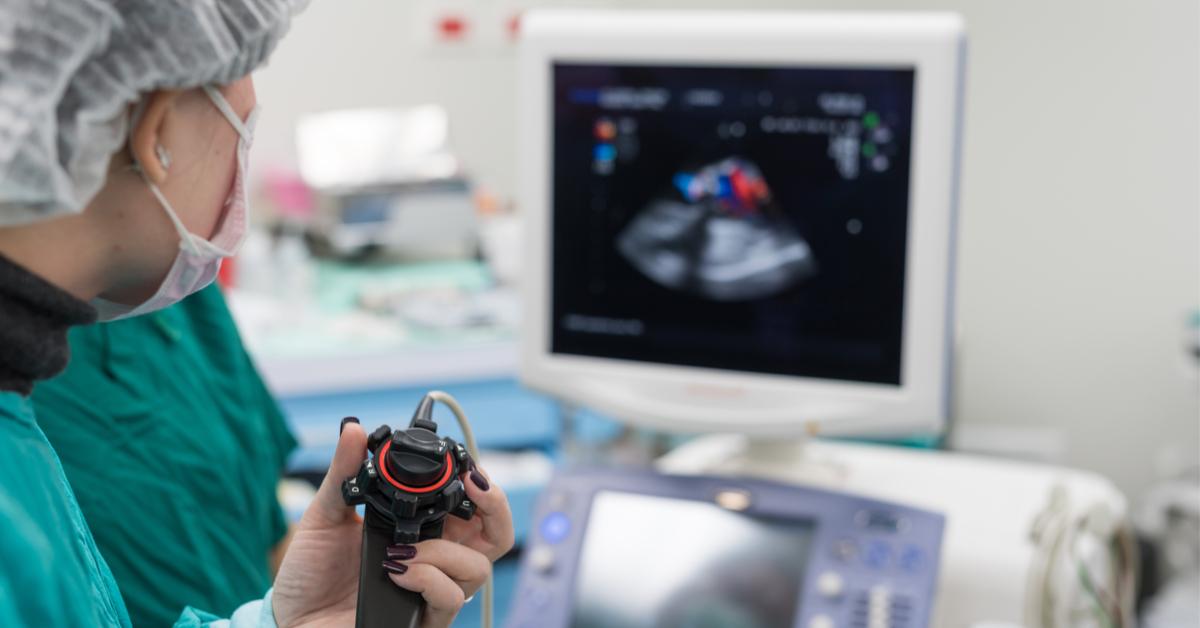
❤️ Cardiac Echo

Evaluation of heart muscle efficiency, heart valves and monitoring heart conditions.

❤️ ECG Test

Accurate recording of heart electrical activity to diagnose rhythm problems and monitor heart health.

🦷 Dental Panoramic X-Ray

Complete imaging of teeth and jaws before implants, orthodontics and wisdom tooth extraction.

🤰 4D Pregnancy Ultrasound

Clear fetal imaging to monitor growth, movement and overall pregnancy health.

Why Choose Salamtak Radiology Center? ⭐

  • Latest medical imaging equipment.
  • Accurate and fast results.
  • Specialized medical team.
  • Patient comfort and quality service.
  • Affordable prices.
  • Convenient location in Saft El Laban.

📍 Address

1 Al Madina Al Monawara Street from Al Tahrir Street, Abu El Leil, Saft El Laban – Boulak El Dakrour.

📞 Contact & Booking

Phone: 01005324453

WhatsApp: 01111130359

""" path = Path("/mnt/data/Salamtak_Radiology_Center_English.html") path.write_text(html, encoding="utf-8") str(path)

News & Articles

Jul 16
أهمية إجراء إيكو القلب

Get an Echocardiogram (Echo) at Saft El Laban Radiology Center using advanced medical equipment for accurate evaluation of heart function, valves, and heart muscle, with specialized diagnostic services and easy booking. 🫀🩺

FAQ

FAQ

Comprehensive and direct answers to the most frequently asked questions about available services and specialties.

Egypt's #1 Verified Directory

Yes, the early cancer detection tests offered by Arkan Egypt International Laboratories consist of several parts, including:

1. Blood tests: To examine the levels of certain proteins or biomarkers associated with cancerous tumors, such as the prostate-specific antigen (PSA) for prostate cancer or markers for colon and breast cancer.

2. Genetic tests: DNA analysis and gene testing to detect genetic mutations that may indicate a predisposition to certain types of cancer.

3. Tumor markers tests: Tests to measure the levels of proteins and biomarkers linked to cancerous tumors in the blood, such as those for breast or colon cancer.

4. Imaging tests: While these tests do not include imaging at the laboratory itself, the lab may recommend imaging tests like X-rays or ultrasounds based on the lab results.

These tests work together to detect tumors in their early stages, thereby increasing the chances of early detection and treatment.

When conducting medical tests, patients may find it difficult to understand the results and medical reports. Therefore, many medical laboratories offer specialized medical consultations.

These consultations cover several aspects:

1. Interpreting the results: Doctors or consultants interpret the test results in detail, explaining what the obtained values mean. These tests may include blood tests, hormone levels, tumor markers, or any other type of medical analysis.

2. Clarifying health risks: Based on the test results, it is determined whether there are any health issues that require immediate attention, such as the likelihood of developing certain diseases like diabetes, heart conditions, or cancer.

3. Treatment guidance: After interpreting the results, the doctor can provide guidance on the next medical steps, whether it requires treatment, regular follow-ups, or lifestyle changes.

4. Answering inquiries: The consultations also help patients ask any questions they may have about their test results, such as understanding the impact of certain elevated or decreased values on their health, and the available treatment options.

5. Planning follow-up treatment: In some cases, additional tests or consultations with specialists may be needed based on the initial results. The consultations assist in creating a follow-up medical plan to ensure proper prevention and treatment.


The lab has obtained a number of quality assurance certifications that contribute to providing accurate and safe medical services according to the highest standards, including:

1. European Quality Certification: This certification ensures that the lab adheres to advanced European standards in conducting medical tests. This helps ensure the accuracy and reliability of results and enhances the level of trust in the services provided.

2. Egyptian Quality Certification: This certification is granted by the Egyptian Ministry of Health based on the lab's compliance with local health specifications and standards. It guarantees that the lab operates according to the highest safety and public health standards approved in Egypt.

These certifications serve as an accreditation to ensure that the medical services provided to patients comply with both global and local standards, increasing their confidence in the test results and the quality of healthcare.

There are various devices used in medical laboratories to ensure accurate results and efficient performance. Here are the key essential devices in medical laboratories:

1. Microscope: The microscope relies on several magnifying lenses and a light source to observe microorganisms such as bacteria, blood cells, and parasites that cannot be seen with the naked eye.

2. Centrifuge: This device is used to separate biological sample components, such as blood or urine, by rapidly rotating them, which helps to separate the different components of the sample.

3. Incubator: It provides an optimal environment for the growth of microorganisms or cells within samples, controlling temperature and humidity to ensure accurate growth conditions.

4. Sterilizer: This device is used to sterilize tools and materials used in the laboratory, maintaining a sterile environment and preventing contamination between samples.

5. Micropipette: A precise device used to measure and transfer small amounts of liquids accurately, ensuring correct measurements in experiments and analyses.

6. Chemical Analyzer: Used to analyze and determine the chemical components in samples, such as testing levels of substances in blood or urine, providing accurate data for disease diagnosis.

These devices work together to ensure accurate and reliable testing in medical laboratories, contributing to the provision of high-quality healthcare.


When selecting the right medical laboratory, several factors should be considered to ensure accurate and safe service, including:

1. Accuracy of Results: The laboratory should be known for its precision in conducting tests and providing reliable results.

2. Adherence to Safety Standards: It is important that the laboratory follows the highest safety standards and social distancing protocols to ensure the health and safety of patients.

3. Laboratory Cleanliness: Maintaining cleanliness in the lab contributes to creating a comfortable environment for patients while waiting.

4. Timely Delivery of Results: The laboratory should be committed to delivering test results on time, contributing to patient comfort and safety in healthcare.

5. Home Sample Collection Service: Some labs offer home sample collection with results sent via phone or email, providing convenience and flexibility for patients.

These factors contribute to choosing a laboratory that provides high-quality service and comfort for the patient.


A blood test is a medical procedure in which a blood sample is taken from the patient, either by drawing blood from a vein using a needle or by pricking the finger. The sample is then sent to the laboratory for necessary tests. A blood test provides important information about the body's health and organ functions, allowing the doctor to assess the patient's overall health. It also helps in diagnosing diseases, evaluating the body's response to treatment, and monitoring the effectiveness of various treatments, contributing to precise and effective medical care.

To ensure the accuracy and reliability of test results, Arkan Egypt International Lab relies on a set of standards and procedures that guarantee precise and dependable results. The key methods for achieving this include:

1. Use of advanced medical equipment: The lab utilizes the latest medical devices and cutting-edge technologies, contributing to the fast and accurate delivery of results.

2. Accreditations and certificates: The lab has received both European and Egyptian quality certifications, ensuring compliance with strict health standards and specifications.

3. Expert medical staff: The lab is managed by Dr. Ashraf Rady, a consultant in medical analysis, along with a team of highly experienced consultants, who contribute to ensuring the quality of the tests.

4. Comprehensive and diverse testing: The lab offers a wide range of specialized medical tests, such as blood tests, biochemistry, hormone analysis, and cancer screenings, ensuring it covers all required medical examinations.

5. Continuous monitoring and development: The lab follows best practices in medical testing and consistently focuses on quality improvement and innovation.

Through these methods, Arkan Egypt International Lab guarantees the provision of high-quality and accurate medical services, relying on the latest medical technologies and recognized quality certifications.

The types of samples collected in the laboratory include a variety of samples that contribute to the diagnosis of many medical conditions:

1. Blood Samples: Blood samples are among the most common in medical tests. Blood is usually drawn from a vein or capillary and is used to analyze a wide range of substances such as blood sugar levels, fats, hormones, blood cells (red and white), antibodies, enzymes, and other vital compounds.

2. Urine Samples: Urine samples are collected to examine kidney function and urinary tract health. Urinalysis helps detect many diseases such as diabetes, urinary tract infections, kidney problems, and liver diseases. It is also used to check for the presence of proteins, sugar, red blood cells, or bacteria in the urine.

3. Fecal Samples: Fecal samples are used to examine the health of the digestive system and to detect harmful bacteria, parasites, or contaminants. These tests can reveal issues such as food poisoning, intestinal infections, or malabsorption problems.

4. Semen Samples: Semen samples are collected to analyze fertility or sexual health. These tests help evaluate sperm count, motility, and overall health, and are mainly used in cases of infertility or reproductive health concerns.

These samples are essential for obtaining accurate results that help diagnose various health conditions.


The speed of obtaining medical test results depends on the type of test and the techniques used. Generally, routine tests such as a complete blood count (CBC), urine analysis, and blood sugar tests are issued within a few hours.

1. Biochemical tests, such as liver and kidney function tests, lipid profile, and cholesterol analysis, are usually available within 24 hours.

2. Hormonal tests, including thyroid function, reproductive hormones, and growth hormones, typically take between 24 to 48 hours.

3. Immunology and viral tests, such as antibody detection and virus screenings like hepatitis or COVID-19, require between 24 to 72 hours, depending on the test type.

4. More complex tests, such as tumor markers and genetic analyses—including biomarker tests for tumors and DNA/genetic screenings—can take several days up to a week due to their accuracy and the complexity of sample processing.

All tests are conducted following the highest quality standards using the latest advanced technologies, with the option to receive results electronically via the official website.

Most medical laboratories in Egypt offer home testing services, where a specialized team can visit the patient’s home to collect samples using the latest methods to ensure accuracy and safety. This service is particularly beneficial for the elderly, patients who cannot travel, or individuals who prefer to undergo tests in the comfort of their homes.

The turnaround time for results depends on the type of test required. Basic tests, such as a complete blood count (CBC) and blood sugar analysis, can be available within a few hours. More complex tests, such as hormonal, genetic, or tumor marker analyses, may take from a day to several days to ensure accurate and reliable results. Patients are usually informed of the expected timeframe when the test is conducted, and results can be provided electronically or through a delivery service, depending on the laboratory’s policy.

Most laboratories adhere to the highest quality standards, utilizing modern, certified equipment to ensure result accuracy while following strict protocols for sample collection, transportation, and analysis.

 
Search Directory