
Physical therapy is a non-medical treatment that relies on specialized techniques to improve movement, relieve pain, and enhance recovery for conditions affecting muscles, joints, and nerves.
Al-Amal Center for Physiotherapy and Rehabilitation Dr. Ahmed Othman
Al-Amal Center for Physiotherapy and Rehabilitation in Imbaba provides comprehensive care for children, the elderly, athletes, and individuals recovering from injuries or surgeries. Specialized programs include physiotherapy, motor rehabilitation, therapeutic nutrition, cupping, and acupuncture to ensure the best results for every patient.

- Phone: 01550771759
- Opens at: 15:00
- Closes at: 22:00
Working Days
Sunday
Monday
Tuesday
Wednesday
Thursday
Saturday
🌟 About Al-Amal Center for Physiotherapy and Rehabilitation – Imbaba
Al-Amal Center for Physiotherapy and Rehabilitation is a specialized center providing comprehensive care for all ages, from children to the elderly, focusing on improving mobility, restoring physical functions, and supporting overall health. The center combines physiotherapy, motor rehabilitation, therapeutic nutrition, and complementary treatments such as cupping, acupuncture, and occupational therapy to ensure the best possible results for every patient. We believe that each case is unique, so our team designs a personalized treatment plan tailored to each individual based on age, health condition, and type of injury or treatment goal.
We serve:
Children 🧒
Elderly 👵🧓
Athletes ⚽🏀
Individuals recovering from surgeries or injuries 🏥
🔹 Detailed Services of Al-Amal Center
1️⃣ Physiotherapy for Children and Adults 👶🧑
For Children:
Cerebral Palsy (CP): Improve motor and muscle control, reduce spasticity, and enhance sitting and walking abilities.
NDT and CME sessions to strengthen muscles and teach correct movement.
Sensory integration support to improve focus and daily skills.
Motor delays and weakness: Programs to strengthen muscles, improve balance, and enhance walking and running abilities.
Interactive exercises and therapeutic games to stimulate movement.
Ataxia and poor balance: Use of balance devices, therapy balls, vibration platforms, and tools to improve stability.
For Adults:
Knee and joint osteoarthritis: Muscle strengthening exercises to reduce pain and increase mobility.
Electrotherapy sessions to reduce inflammation.
Herniated discs and back pain: Spinal traction, stretching exercises, manual therapy, and laser treatments.
Post-surgical rehabilitation: Strengthening muscles, improving range of motion, balance, and fitness.
Integration of therapeutic exercises with modern devices for faster recovery.
2️⃣ Sports Injuries and Athletes ⚽🏋️
Muscle tears and joint sprains: Physiotherapy sessions to reduce inflammation and swelling.
Use of devices such as shockwave therapy to stimulate recovery.
Knee and ankle injuries (ACL, ligaments): Specialized strengthening programs to reduce the risk of recurrence.
Dynamic balance and stability exercises using BOSU platforms and other balance tools.
Pre-return to play rehabilitation: Strength, flexibility, and reaction speed exercises; movement assessment to ensure safe return.
Chronic sports injuries: Treatment of chronic inflammation, muscle tension, and functional rehabilitation using modern devices and manual therapy techniques.
3️⃣ Therapeutic Nutrition and Weight Management 🥗
Weight loss programs without deprivation: Balanced meal plans with smart calorie deficit; weekly monitoring of weight, fat, and muscle percentages.
Weight gain and muscle building: Protein-based plans, resistance exercises, and nutritional support for healthy results.
Special medical conditions:
Diabetes: Plans to control blood sugar and improve overall health.
Blood pressure: Low-sodium, nutrient-rich meals.
PCOS and thyroid disorders: Balanced plans to support hormonal balance.
Pregnancy and breastfeeding: Safe and nutritious meals for mother and baby.
Body sculpting and fat reduction: Modern devices such as low-level laser, RF, and ultrasonic technology.
Skin tightening and body shaping without surgery.
4️⃣ Cupping, Acupuncture, and Occupational Therapy 💆♂️💉
Cupping: Improves circulation, detoxifies, and relieves chronic pain in the back, shoulders, and joints.
Acupuncture: Stimulates specific points to relieve pain and improve body function; supports musculoskeletal and neurological treatment.
Occupational therapy: Improves daily motor and sensory abilities; rehabilitation after injuries or strokes; integrates daily life activities into exercises to enhance independence.
5️⃣ Recovery and Sensory Integration 🏃🎯
Recovery: Advanced rehabilitation exercises after surgery or injury; improves strength, endurance, and muscle coordination.
Sensory integration: Programs for children to enhance focus, attention, and fine motor skills using sensory devices and therapeutic games.
🎯 Goals
Provide personalized and comprehensive treatment plans for every patient.
Integrate physiotherapy with therapeutic nutrition and occupational therapy for optimal health results.
Accelerate recovery after injuries and surgeries.
Improve quality of life and mobility for all ages.
Offer psychological support throughout the treatment process.
Raise awareness with practical tips to prevent injuries, manage obesity, and reduce chronic disease risks.
⭐ Why Choose Al-Amal Center?
We begin with a comprehensive assessment in the first session to identify the root cause and create a precise treatment plan tailored to each case, whether simple or complex. We use modern devices and advanced techniques to ensure maximum treatment efficiency. The center integrates physiotherapy with therapeutic nutrition and occupational therapy to achieve faster and more accurate results. Each patient is closely monitored step by step in a comfortable environment with full privacy and continuous psychological support. Our team consists of experienced specialists in pediatric, sports, and adult rehabilitation, ensuring comprehensive care for all ages.
📞 Contact Information
Address: Tannany Street – Terat Al-Sawaleh – Imbaba, Giza, Egypt
Phone / WhatsApp: +20 15 50771759
Email: [email protected]
Working Hours: 3 PM – 10 PM daily (except Friday)
✨ Conclusion
At Al-Amal Center for Physiotherapy and Rehabilitation, we provide personalized, comprehensive care, specialized medical expertise, and tangible results. Whether you are seeking post-injury rehabilitation, improved mobility, pediatric therapy, or therapeutic nutrition, we support you step by step toward a healthier and stronger life.
5 0
News & Articles
Feb 01
Al Amal Center for Physiotherapy and Rehabilitation in Imbaba, Giza is considered one of the specialized centers providing physiotherapy and physical rehabilitation services for all age groups, from children to the elderly, with tailored programs for athletes and post-injury and post-surgical cases.
Mar 08
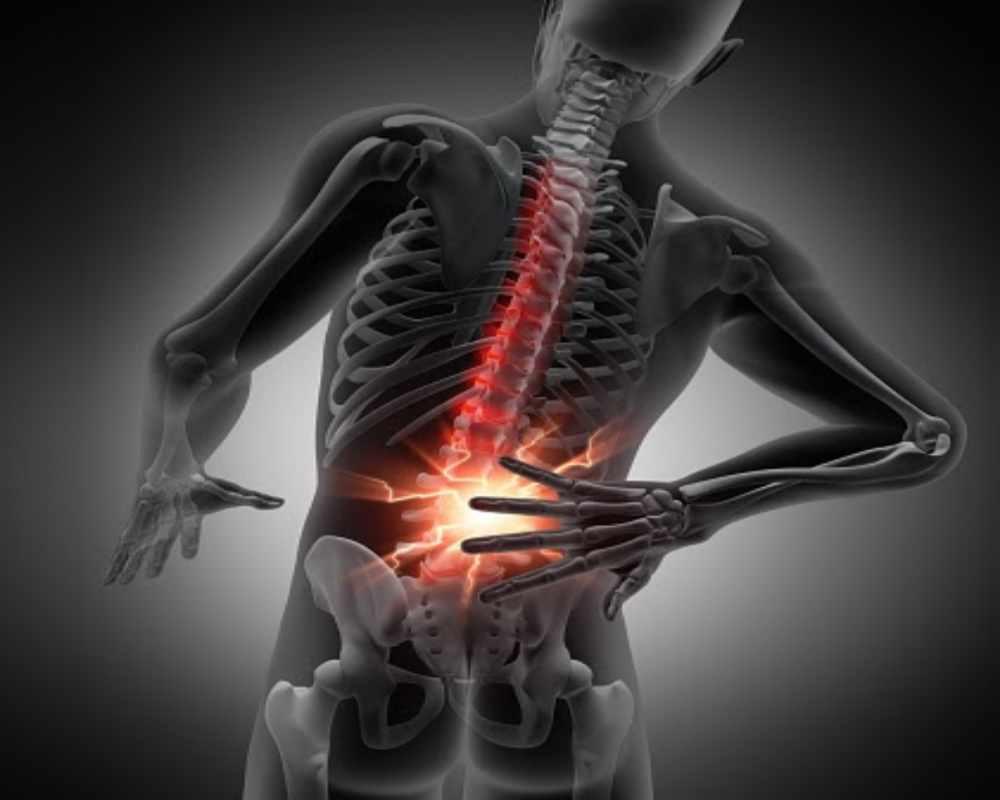
Looking for expert physical therapy for lumbar disc herniation and sciatica in Imbaba? 🏥 Al Amal Center for Physical Therapy & Rehabilitation provides specialized programs for children, seniors, athletes, and post-surgery or injury patients. Our care combines advanced physical therapy, targeted exercises, and holistic rehabilitation to ensure fast recovery and long-term relief.
Jun 08

At Al Amal Physical Therapy and Rehabilitation Center in Giza, specialized rehabilitation programs are provided for children with brain atrophy and cerebral palsy. These programs aim to improve movement, reduce muscle spasticity, and enhance motor and neurological skills through individualized treatment plans based on comprehensive assessment and continuous follow-up to maximize rehabilitation outcomes.
Jul 09
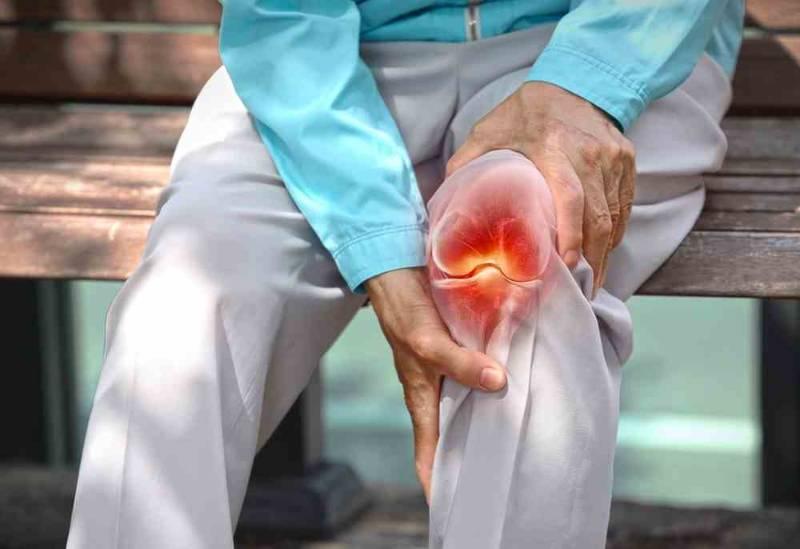
Learn about the latest methods for treating knee osteoarthritis in Giza using physical therapy and rehabilitation programs with Dr. Ahmed Osman at Al Amal Physical Therapy and Rehabilitation Center in Imbaba. Discover how these treatments help improve mobility, reduce pain, and strengthen the muscles surrounding the knee.
FAQ
Physical therapy is usually not painful if performed correctly, but some treatments may cause temporary discomfort, especially if they involve muscle or joint rehabilitation.
The duration of a session at physical therapy centers typically ranges from 30 to 60 minutes, depending on the patient's condition and the type of treatment required. The length of the session is tailored to ensure effective therapy while addressing the specific needs of each individual.
Workplace injuries that are treated in physical therapy centers typically involve the musculoskeletal system, such as muscles, joints, and tendons. Some of the common injuries include:
-
Muscle strains and tears:
- Muscle tears or strains caused by lifting heavy weights or repetitive movements.
- Muscle pain resulting from continuous pressure or strain.
-
Sprains of tendons or ligaments:
- Injuries caused by twisting or overstretching tendons or ligaments, especially in the ankle, knee, or wrist.
-
Fractures:
- Fractures resulting from accidents at work, requiring rehabilitation after healing to strengthen muscles and joints.
-
Spinal injuries and back pain:
- Lower back or neck pain resulting from lifting heavy loads or sitting for long periods in incorrect postures.
-
Tendonitis:
- Conditions like tendonitis in the shoulder or knee (e.g., rotator cuff tendonitis) caused by repetitive movements at work.
-
Carpal Tunnel Syndrome:
- A common condition among workers who perform repetitive hand or wrist movements, causing pressure on the median nerve in the wrist.
-
Stress from computer work:
- Neck, shoulder, and wrist pain, and tendonitis caused by prolonged computer use.
-
Injuries from poor posture:
- Back or neck pain caused by improper sitting or repetitive movements.
Physical therapy for these injuries includes various techniques such as therapeutic exercises, massage, heat or cold therapy, electrical stimulation, and flexibility and strengthening exercises to rehabilitate the patient and improve movement while reducing pain.
It depends on your condition. Some people feel improvement after the first session, while others may need 6-10 sessions or more.
It shouldn't be painful, but you might feel some tightness or mild soreness in the muscles, which is normal with the exercises.
Spinal curvature treatment in physical therapy centers focuses on strengthening the muscles surrounding the spine and improving the overall flexibility of the body to relieve symptoms and improve posture. Treatments provided in physical therapy centers include:
-
Therapeutic Exercises:
- Exercises aim to strengthen the back and abdominal muscles to provide better support for the spine.
- Exercises to improve balance and flexibility, which help improve posture and reduce curvature.
- Exercises to restore proper spinal alignment and reduce stress on the vertebrae.
-
Manual Techniques (Manipulation):
- Physical therapists use manual techniques to relieve muscle tension and improve spinal movement.
- These techniques can help alleviate pain and improve flexibility.
-
Massage Therapy:
- Massage helps relax tense muscles and relieve pain caused by spinal curvature.
- It also improves circulation and promotes relaxation.
-
Use of Supportive Devices:
- In some cases, physical therapists may recommend the use of supportive devices (braces) to support the spine during treatment or to prevent further progression of the condition.
-
Breathing Exercises and Relaxation Techniques:
- Deep breathing and relaxation techniques help reduce body tension and improve overall comfort.
-
Posture Guidance:
- Physical therapists guide patients on how to sit, stand, and walk correctly to avoid unnecessary pressure on the spine.
- They also teach patients how to adjust their environment, such as modifying desk height or using supportive chairs.
The main goal of physical therapy is to reduce pain, improve movement, and enhance the patient's quality of life, while working to reduce or prevent the progression of the curvature if it is in its early stages.
Electrical physical therapy sessions, such as those using electrical currents (e.g., interferential currents or nerve stimulation), are generally safe when performed under the supervision of a qualified physical therapist. However, they may have some risks or side effects in certain cases, such as:
- Skin irritation: Redness or irritation may occur at the site where the electrical current is applied.
- Pain or tingling sensation: Some patients may experience pain or a tingling feeling during the treatment.
- Interaction with medical devices: Electrical therapy should be avoided if the patient has implanted medical devices, such as a pacemaker.
- Pregnancy or skin conditions: Electrical therapy is usually not recommended for pregnant women or individuals with certain skin conditions.
It's important to consult with a physical therapist before starting treatment to ensure it is safe and suitable for your specific health condition.
Electric therapy sessions, or electrical stimulation therapy, are used to treat a variety of health conditions. The main goal of this therapy is to use electrical currents to stimulate nerves or muscles in a painless manner to improve health. Some of the conditions that can be treated with electrical therapy sessions include:
- Muscle and bone pain: Used to relieve back pain, neck pain, joint pain, and muscle pain.
- Soft tissue injuries: Such as tendon tears or muscle strains.
- Muscle spasms: Electrical stimulation can help reduce muscle spasms.
- Nerve stimulation: Helps improve blood circulation and reduce nerve pain, such as pain caused by sciatica.
- Muscle rehabilitation: Used after surgeries or accidents to rehabilitate muscles.
- Post-surgery healing stimulation: Helps speed up the healing process and reduce swelling or pain after surgeries.
This technique is generally safe when used under the supervision of medical professionals, but it should not be used in some cases, such as for people with pacemakers or pregnant women in certain situations.
Physical therapy focuses on pain relief and improving movement, while rehabilitation focuses on helping a person return to their normal life after injuries or surgeries.
It should have certified doctors, modern equipment, and assess your condition individually with proper attention. Ask people who have dealt with them before.
What's most important to us is not just financial profit, but the primary goal is the patient's benefit and achieving the best possible result with the least pain and in the shortest time. We want the patient to be satisfied with their condition and become an ambassador for us among their family and friends.
The consultation fee is only 200 EGP.
The prices for sessions range between 300 to 600 EGP, depending on each case and the equipment used in the session.
