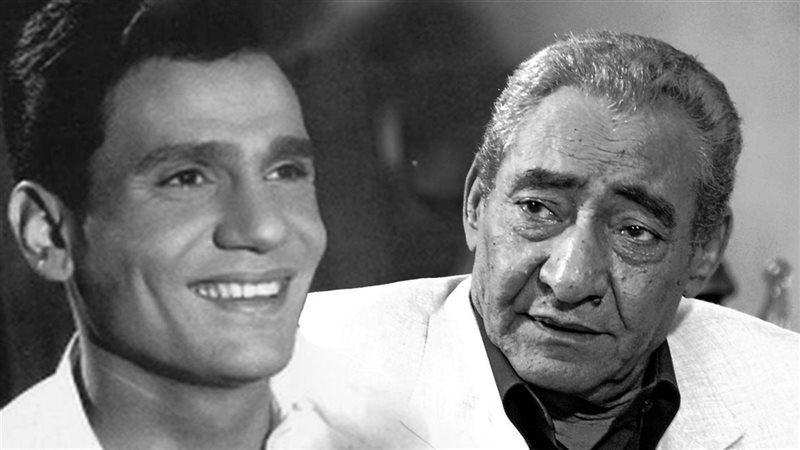

Abdel Halim Hafez, known as the “Dark-Skinned Nightingale,” consistently used his art to support Egypt during major national events.
From his early songs for the revolution to his music following the June 1967 defeat, his voice became closely associated with national sentiment. Rather than surrendering to despair after the defeat, he chose music as his way of confronting frustration and encouraging hope.
Adieu El Nahar.. A Song of Hope After the 1967 Defeat
During the War of Attrition, Abdel Halim Hafez expressed both the pain of the period and the hope of overcoming its consequences through his music.
One of his most significant songs from that era was “Adieu El Nahar,” which became strongly associated with the emotional atmosphere that followed the 1967 defeat.
The song reflected sorrow while maintaining hope for a better future, making it one of the most memorable patriotic works in Abdel Halim’s career.
Abdel Halim Hafez Encourages Soldiers at the Front
Abdel Halim also addressed Egyptian soldiers directly through a series of patriotic songs focused on resistance, determination and sacrifice.
Among these works was “Ya Burkan El Ghadab,” which delivered a message of strength and confrontation, followed by “Fedayee,” a song centered on sacrifice for the homeland.
He also performed “Khally El Selah Sahe,” written by Ahmed Shafik Kamel and composed by Kamal El Tawil. The song became one of the most recognizable and concise musical works associated with the October War.
Khally El Selah Sahe.. A Song That Entered Everyday Language
The popularity of “Khally El Selah Sahe” extended beyond the wartime period.
Its message of alertness and readiness became so familiar that expressions associated with the song entered everyday Egyptian language as a way of referring to staying alert and attentive.
The song also emphasized the importance of sacrifice for the country and future generations.
Ibnak Yeollak Ya Batal.. A Call to Liberate the Land
Abdel Halim continued his patriotic repertoire with songs addressing soldiers and encouraging them to continue the struggle to liberate Egyptian territory.
One of these songs was “Ibnak Yeollak Ya Batal,” written by renowned poet Abdel Rahman El Abnoudy.
The song carried a direct message about the Egyptian people’s desire for victory and the recovery of their land, while emphasizing the distinction between friend and enemy.
Ahlaf Besmaha Wetrabha.. A Pledge to Egypt
Another major patriotic song in Abdel Halim’s career was “Ahlaf Besmaha Wetrabha,” written by Abdel Rahman El Abnoudy and composed by Kamal El Tawil.
The song expressed a deep emotional connection to Egyptian land, its people and its institutions, becoming one of the best-known patriotic works associated with Abdel Halim Hafez.
Ash Elly Aal.. The Beginning of Victory Songs
Following the outbreak of the October War, Abdel Halim entered a new chapter in his patriotic musical career with “Ash Elly Aal.”
The song was written by Mohamed Hamza and composed by Baligh Hamdy. It celebrated the decision to cross the Suez Canal and defend Egyptian territory, quickly becoming one of the songs most strongly associated with the Egyptian victory.
Rehearsals were held at Abdel Halim’s home in Zamalek with a group of backing singers following Baligh Hamdy’s recommendation.
After the initial recording, the song was recorded and broadcast again after changes were made to references to the late President Anwar Sadat.
Abdel Halim Celebrates the October Victory
Abdel Halim did not limit his wartime music to songs celebrating the crossing and military achievement. He also released works expressing the joy of Egyptians following the victory.
Among them was “Al Farah Bel Nasr,” written by Mohsen El Khayat and composed by Mohamed El Mougy.
The song captured the celebratory mood surrounding the soldiers’ victory and reflected the central role patriotic music played in Abdel Halim’s artistic career.
Sabah El Kheir Ya Sinai.. Celebrating the Return of Sinai
When Sinai returned to Egypt, Abdel Halim Hafez continued contributing to the national celebration despite his severe illness.
He communicated by phone with poet Abdel Rahman El Abnoudy and composer Baligh Hamdy, leading to the patriotic song “Sabah El Kheir Ya Sinai.”
The song expressed the joy surrounding Sinai’s return and its renewed connection with Egypt.
El Markeba Adet.. Celebrating the Suez Canal
When the Suez Canal was reopened in 1975, Abdel Halim Hafez performed “El Markeba Adet,” with lyrics by Mostafa El Domrany and music by Mohamed Abdel Wahab.
The song celebrated the reopening of the canal and reflected Egyptian pride in overcoming difficult circumstances and restoring what had been lost.
Abdel Halim’s Songs of Victory
Abdel Halim continued expressing the joy of victory through additional patriotic productions, including “Afrah El Nasr,” written by Mohsen El Khayat and composed by Mohamed El Mougy.
The song reflected the celebratory atmosphere following Egypt’s victory and reinforced the importance of patriotic music throughout Abdel Halim Hafez’s career.
Abdel Halim Hafez.. The Nightingale Who Sang for Egypt
Abdel Halim Hafez remains one of the Egyptian singers most closely associated with patriotic music.
His role went beyond performing songs for national occasions. His music became part of Egypt’s collective memory, accompanying the country through periods of defeat, resistance, hope and victory.
From the aftermath of the 1967 defeat and the War of Attrition to the October Victory, the return of Sinai and the reopening of the Suez Canal, Abdel Halim’s voice remained present in Egypt’s national story.
What are Abdel Halim Hafez’s most famous patriotic songs?
Among his best-known patriotic songs are “Adieu El Nahar,” “Fedayee,” “Khally El Selah Sahe,” “Ash Elly Aal” and “Sabah El Kheir Ya Sinai.”
Which song did Abdel Halim perform during the War of Attrition?
He performed several patriotic songs during the War of Attrition, including the famous “Adieu El Nahar.”
Who composed Ash Elly Aal?
“Ash Elly Aal” was composed by Baligh Hamdy, with lyrics written by Mohamed Hamza.
Which song did Abdel Halim perform after the return of Sinai?
He performed “Sabah El Kheir Ya Sinai” to celebrate the return of Sinai to Egypt.
What are Abdel Halim’s most famous songs about the October War?
Among the best-known works associated with the October War are “Ash Elly Aal” and “Khally El Selah Sahe,” along with several other patriotic songs.