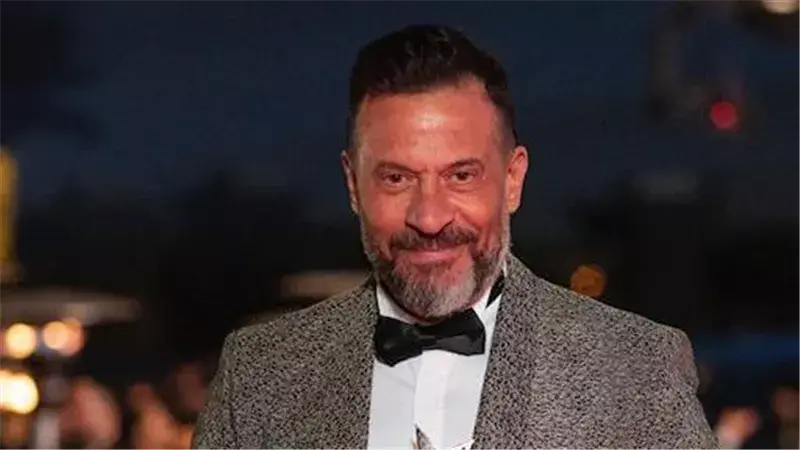

🎭 Ahmed Wafik discusses the changing world of criticism
Egyptian actor Ahmed Wafik has sparked discussion after speaking about the state of artistic criticism and the major changes brought about by social media.
During an appearance on the television program Taht El Shams, Wafik discussed the growing number of people offering opinions on artistic productions, arguing that criticism has become widely accessible regardless of whether the person commenting has a specialized background.
🗣️ Wafik described the situation as an “overabundance of criticism,” stressing that the problem is not simply the number of opinions but the way criticism can sometimes shift from evaluating artistic work to targeting individuals.
📱 When criticism becomes a trend
According to Wafik, social media has transformed the relationship between artists, critics and audiences.
In the past, artistic criticism was more closely associated with specialized journalism and cultural publications. Today, virtually anyone can publish an opinion and reach a large audience within minutes.
⚡ Wafik argued that some criticism can become connected to the pursuit of online trends, particularly when provocative statements generate more attention than thoughtful analysis.
He also suggested that some topics may occasionally be exaggerated in periods when fewer artistic productions are available, creating additional controversy around them.
💔 The impact of harsh words
Wafik made it clear that he does not reject criticism itself.
In fact, he has personal experience with criticism, having previously written about theater and visual arts.
That experience, he said, has made him aware of the importance of criticism and also of the emotional impact words can have on artists.
🌟 A performer may spend months or years preparing for a role, making criticism an inevitable part of the profession. However, there is a difference between evaluating a performance and attacking the person behind it.
🎬 Ahmed Wafik and Tarek El Shenawy
One of the most notable parts of the interview was Wafik’s discussion of critic Tarek El Shenawy.
Wafik recalled a long period during the early stages of his career when, according to his account, Shenawy repeatedly criticized his acting.
He said the critic described him as someone who had entered acting “by parachute” and questioned his ability as a performer for approximately 10 or 11 years.
Despite this criticism, Wafik said he continued to respect Shenawy and recognized his position as a professional critic.
🎭 Why the “parachute” description hurt
Wafik explained that the description was painful because, in his view, it did not accurately reflect his artistic beginnings.
He said the perception appeared to connect his entry into the entertainment industry primarily to his relationship with the late filmmaker Youssef Chahine.
But Wafik emphasized that his relationship with acting had begun much earlier.
🎭 He recalled participating in school theater from an early age, followed by university theater, as well as experimenting with directing, script preparation and stage design.
From his perspective, his career was therefore the result of a gradual artistic journey rather than a sudden arrival in the industry.
📺 A turning point with “A Girl from Shubra”
Wafik said the perception began to change after his participation in the television series A Girl from Shubra.
The series became an important stage in his television career and was followed by additional roles that allowed him to demonstrate a wider range of performances.
Another significant project was Ahl Cairo, which premiered in 2010 and combined crime, investigation and complex character relationships.
📺 Wafik considers this period important in changing the way his acting was viewed.
⭐ The article that changed the conversation
According to Wafik, Tarek El Shenawy later published an article praising his performance, which Wafik described as a “wonderful” piece of writing.
What particularly stood out to him was the assessment that his performance was not simply the result of accumulated experience but reflected genuine talent.
✨ For Wafik, this represented an important shift after years of criticism.
The story therefore became less about whether a critic had changed his mind and more about how an actor’s performances over time can lead to different interpretations of his abilities.
🎬 Criticism does not require agreement
Wafik’s comments also highlight a broader reality in the entertainment industry: artists and critics do not have to agree.
A single film or television series can generate very different interpretations, and disagreement is a normal part of artistic discussion.
📝 The issue, from Wafik’s perspective, is the line between professional criticism and personal attacks.
His experience with Shenawy therefore opens a wider conversation about the relationship between artists, critics and audiences.
🔥 Social media has changed the rules
The rise of social media has made criticism more immediate.
An opinion that once appeared in a newspaper article or television segment can now become viral within minutes.
📱 At the same time, artists can respond directly to critics and audiences, making the distance between both sides much smaller.
This has created new opportunities for dialogue but also increased the speed at which disagreements can escalate.
🌟 A career beyond one critic’s opinion
Despite the criticism he recalled, Ahmed Wafik continued building a career across television, cinema and theater.
His story demonstrates how an artist’s career can develop over time and how critical opinions may change as new performances provide different material for evaluation.
🎭 Ultimately, criticism remains part of the artistic conversation, while the artist continues to work, perform and develop.
Wafik chose to revisit his experience openly, recalling the years of criticism, the painful “parachute” description and the later article that he viewed as an acknowledgment of genuine talent.
❤️ His story also highlights a simple reality: an artist’s journey does not necessarily stop at one critic’s opinion.