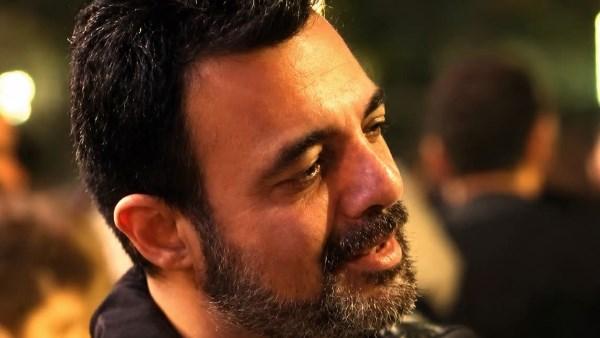

📱 Amr Mahmoud Yassin Calls for Calm After Egypt's Earthquake
Following the earthquake that was felt across Cairo and several Egyptian governorates, screenwriter Amr Mahmoud Yassin shared an important message with his followers through his official Facebook account, urging everyone to remain calm and avoid spreading rumors during such sensitive situations.
He emphasized that the most important thing is the safety of everyone, noting that at the time of his post there had been no reports of serious consequences. He also expressed hope that the situation would pass peacefully without casualties or significant damage.
⚠️ Warning About AI-Generated Images
Amr Mahmoud Yassin warned against the widespread circulation of photos and social media posts claiming to show collapsed buildings and severe destruction caused by the earthquake.
He explained that some of these images may have been generated using artificial intelligence, making them appear highly realistic despite being completely fabricated.
According to Yassin, the rapid development of AI technology has made it increasingly difficult for users to distinguish between genuine and fake visual content, making it essential to verify information before sharing it online.
He stressed that spreading misleading images during emergencies can unnecessarily increase fear and confusion among the public.
🌍 Earthquake Aftershocks Are Usually Less Severe
Yassin also addressed concerns about aftershocks, reassuring his followers that aftershocks are generally less powerful than the main earthquake.
He encouraged people to remain calm, avoid panic, and follow the instructions issued by official authorities rather than relying on rumors circulating across social media platforms.
He added that staying informed through trusted sources is the best way to respond responsibly during natural disasters.
📲 Why Did Only Some Phones Receive Earthquake Alerts?
One of the most discussed topics after the earthquake was why some smartphone users received emergency alerts while others did not.
Amr Mahmoud Yassin clarified that many people mistakenly believed Android phones could predict earthquakes before they happen, which is not accurate.
Instead, he explained that Android devices use an early warning system that activates only after an earthquake has already started near its epicenter.
The system then attempts to send alerts to users located farther away before the stronger seismic waves reach their areas, potentially providing a few valuable seconds to take protective action.
📡 How Android's Earthquake Alert System Works
Yassin explained that most Android smartphones contain a built-in accelerometer, a motion sensor capable of detecting unusual ground vibrations.
When many phones in the same region detect similar movements simultaneously, anonymous sensor data is transmitted to Google's servers.
The system analyzes the information from multiple devices to determine whether the vibrations are caused by a genuine earthquake rather than isolated incidents such as a dropped phone or accidental movement.
Once the earthquake is confirmed, warning notifications are rapidly sent to users in nearby locations expected to experience stronger seismic waves.
He emphasized that the technology does not predict earthquakes, but instead provides valuable seconds of advance warning after seismic activity has already begun.
📢 Trust Official Information
Amr Mahmoud Yassin concluded his message by praying for the safety of Egypt and its people while urging citizens to rely only on official information issued by government authorities.
He stressed that misinformation and AI-generated content can spread rapidly during emergencies, making digital awareness more important than ever.
According to Yassin, verifying information before sharing it is a shared social responsibility that helps reduce panic, prevent misinformation, and ensure that the public receives accurate updates during crises.
His message was widely praised by followers, many of whom appreciated both his explanation of smartphone earthquake alerts and his warning about the dangers of AI-generated fake content. ✨