Dorra Trends: Slap Shakes Ahmed El Awady’s Face in Aly Clay
Episode 24 of Aly Clay delivers a dramatic turning point as Miada (Dorra) restores her dignity in a public showdown with Aly Clay (Ahmed El Awady), leaving audiences on the edge of their seats for what comes next.


Episode 24 of Aly Clay 🔹 features one of the most intense and daring moments in the series, as Miada (Dorra) confronts Aly Clay (Ahmed El Awady) in a highly charged scene that captivates viewers.
📌 The confrontation begins with Miada demanding to know the whereabouts of his wife Rouh, threatening to retaliate against a previous slap. As tension rises, she counts aloud: "One… Two…", until Aly Clay breaks the silence saying: "I agree, hit me with the pen". ✋💥
💡 Miada stands firm, raising her voice among the crowd, declaring her moral victory: "Aly Clay, no man can stand in my way, I will hit him with the pen that will mark his face." This moment is more than a slap—it embodies the struggle for dignity and power between the two characters, taking the story into a new level of tension and challenge.
🌟 The scene went viral on social media, with audiences praising Miada’s strength and determination to defend her dignity, making the episode trend widely.
✨ Aly Clay continues to combine suspense, psychological conflict, and high-intensity drama, captivating viewers with moments of boldness, intelligence, and strategic confrontation.
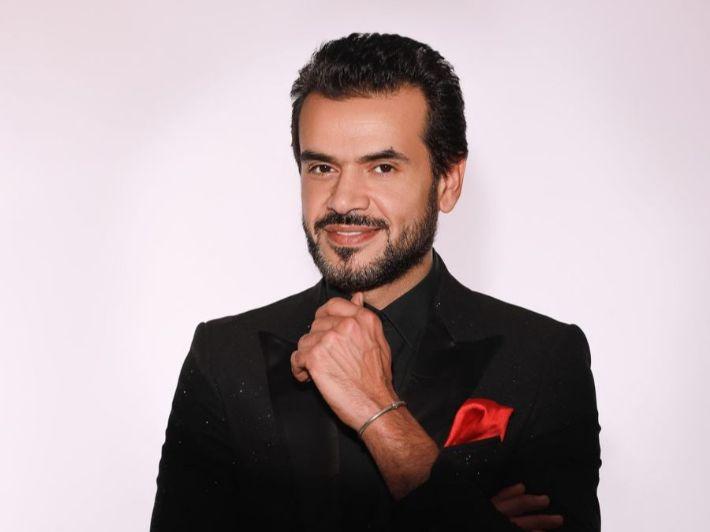
Samo Zein revealed details about songs he wrote and composed that were later given to other singers, explaining why he now legally registers his songs first.

Ahmed Ghazy and Kabore’s Mahmoud El Tany will hit Egyptian cinemas on August 13, 2026, and Arab cinemas on August 20 after its release date was moved forward.
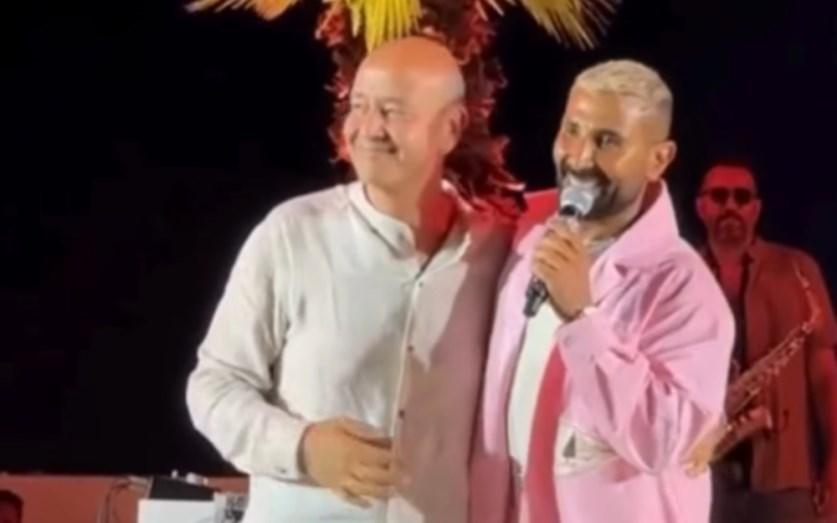
Amr Adib and Ahmed Saad are trending after the TV host appeared at the singer’s concert, took to the stage, and joined him in a dance performance amid enthusiastic reactions from the audience.

Hamza Namira’s songs reveal a striking presence of questions, from homesickness and return in “Tazkarti” to change and loneliness in “Dari Ya Albi,” and the rekindling of friendship in “Fady Shwaya.”
