
🎭 Egyptian National Theatre Festival Opens Debate on the Future of Theatre Audiences
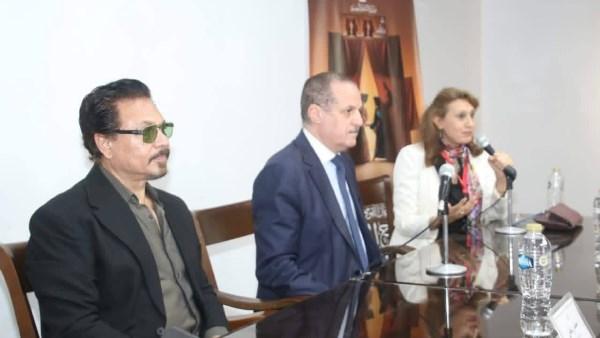
The Egyptian National Theatre Festival officially launched the first session of its intellectual forum as part of the 19th edition of the festival, held at the Supreme Council of Culture. This year's central theme, "Theatre and the Audience: Does the Audience Go to the Theatre, or Should Theatre Go to the Audience?", reflects one of the most pressing questions facing the performing arts today.
The opening session gathered distinguished theatre practitioners, critics, researchers, academics, and cultural leaders, creating a platform for meaningful discussions about the future of theatre in Egypt and the importance of rebuilding audience engagement in an increasingly digital world.
✨ Strong Institutional Support for Egyptian Theatre
During the opening ceremony, cultural officials reaffirmed their commitment to supporting theatrical activities and strengthening cooperation among Egypt's cultural institutions.
The discussions emphasized that theatre remains one of the most influential artistic forms for promoting cultural awareness, encouraging dialogue, and preserving national identity. Participants agreed that investing in theatre is also an investment in education, creativity, and community development.
Special attention was also given to empowering young artists and researchers, recognizing their essential role in shaping the future of Egypt's cultural and theatrical landscape.
🎭 Mohamed Riyad Highlights the Festival's Vision
Festival President Mohamed Riyad stressed that this year's intellectual program aims to expand theatre beyond its traditional audience.
According to Riyad, the festival seeks to transform theatre into an essential part of everyday cultural life rather than limiting it to theatre professionals and dedicated enthusiasts. He explained that the intellectual sessions are designed to generate practical ideas capable of strengthening the connection between theatrical productions and wider segments of society.
He also praised the collaboration between cultural institutions, noting that providing venues and resources for workshops and discussions reflects a shared commitment to supporting Egypt's artistic community.
📌 Why Audience Development Has Become a Priority
One of the central themes discussed during the forum was the changing behavior of modern audiences.
With digital entertainment platforms, streaming services, and social media competing for people's attention, theatres worldwide face growing challenges in attracting regular visitors.
Experts participating in the discussions emphasized that today's challenge is no longer limited to producing high-quality performances. Instead, it involves understanding audience expectations, improving communication strategies, and creating experiences that resonate with contemporary society.
This has led to an important question:
Should audiences continue to travel to traditional theatre venues, or should theatre become more accessible through performances in schools, universities, public spaces, and local communities?
Many participants pointed out that community theatre initiatives and outdoor performances have successfully introduced theatre to new audiences, particularly younger generations who may not regularly attend conventional performances.
🌟 A Scientific Approach to Understanding Audiences
Members of the intellectual committee explained that the forum's title was carefully selected after extensive discussions involving theatre scholars and researchers.
The objective is to examine audience behavior from academic, cultural, and social perspectives while exploring new strategies for audience development.
Participants also highlighted a significant challenge: the limited availability of comprehensive field studies analyzing Egyptian theatre audiences.
Reliable data regarding attendance patterns, demographic characteristics, audience preferences, and cultural participation remains insufficient, making it difficult to develop long-term strategies based on measurable evidence.
As a result, one of the forum's long-term goals is to encourage more research that can support future cultural planning and help theatres reach broader audiences across Egypt.
🎓 Young Voices Join the Conversation
A notable feature of this year's edition is the active involvement of students and recent graduates from theatre departments and the Higher Institute of Dramatic Arts.
Their participation provides younger generations with an opportunity to contribute fresh ideas regarding the future of Egyptian theatre while engaging directly with experienced professionals and academics.
Additionally, graduates from cultural development programs have been assigned to document the discussions and prepare recommendations that may contribute to future audience-building strategies and cultural policies.
🌍 Theatre Beyond Entertainment
Throughout the opening discussions, speakers agreed that theatre continues to play a vital role beyond entertainment.
It remains a powerful medium for encouraging dialogue, strengthening social cohesion, promoting education, and addressing contemporary social issues through artistic expression.
As cultural habits continue to evolve, participants stressed that theatres must embrace innovation while preserving their artistic identity. Modern marketing techniques, digital communication, educational outreach, and community partnerships were all identified as essential components for attracting new audiences without compromising artistic quality.
The intellectual forum is expected to continue exploring these themes through a series of sessions featuring theatre experts, critics, researchers, and practitioners, ultimately contributing practical recommendations for the continued development of Egypt's theatrical movement.