
A Hidden Story Behind “La Ilah Illa Allah”
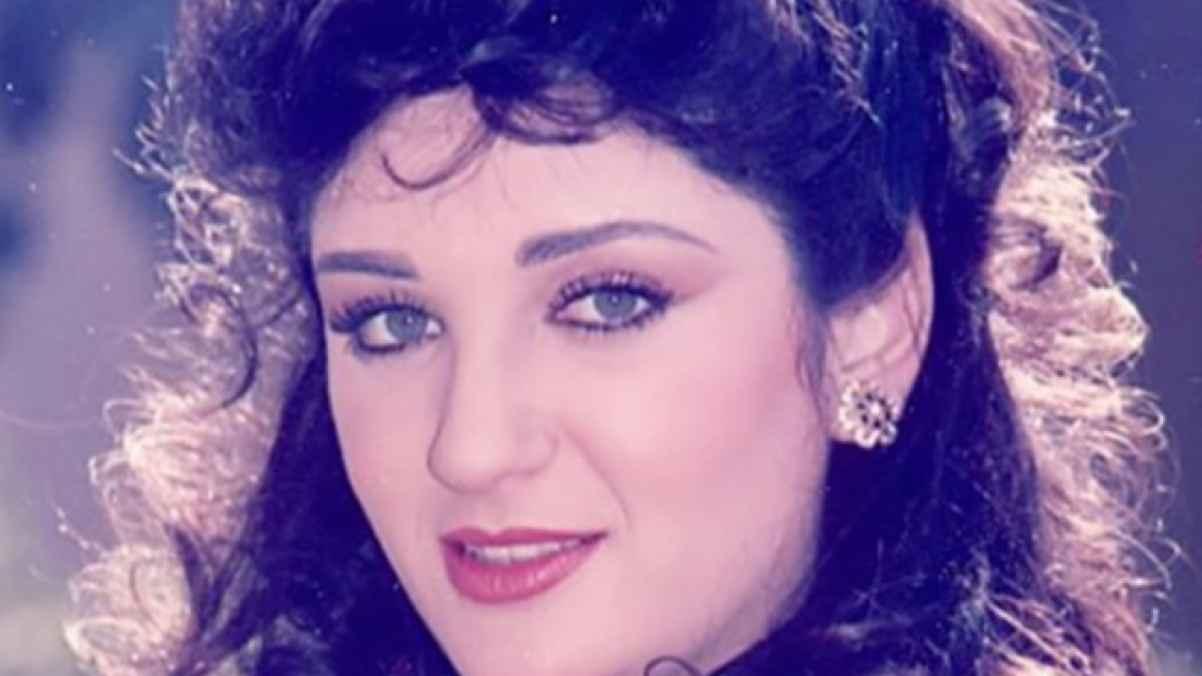
A recent post by Ahmed Mohsen has revealed a deeply personal story connected to one of Eman El-Toukhy’s most memorable television appearances.
The story dates back to the filming of “La Ilah Illa Allah” in 1987, when Eman’s father, Mohamed El-Toukhy, was going through a difficult health crisis.
According to her nephew, Eman later told him that her father’s illness had a direct emotional impact on her during filming.
🎭 As a result, the sadness viewers saw on screen was not entirely separated from what she was experiencing in real life.
When Real Emotion Becomes Part of the Performance
Actors often have to recreate emotions such as grief, fear, and loss in order to make dramatic scenes believable.
But Eman El-Toukhy was living through genuine emotional distress while working on the series.
Her father’s health condition meant that the sadness required by the script was already present in her personal life.
❤️ That reality gave her performance an additional emotional layer.
Decades later, the revelation offers viewers a completely different way of looking at those scenes.
They can now be understood not only as carefully performed dramatic moments, but also as scenes created while the actress was dealing with genuine concern for someone she loved deeply.
Mohamed El-Toukhy — Eman’s Father and a Distinguished Radio Voice
Mohamed El-Toukhy was a respected Egyptian artist and radio performer whose distinctive voice became associated with Egyptian broadcasting and radio drama.
For Eman, he was not simply a respected artist, but her father and an important part of her personal and artistic environment.
✨ His illness during the filming period therefore represented a deeply personal experience.
Eman would later establish her own identity as both an actress and singer, but her connection to her father remained an important part of her family history.
His Death Came Only Months After Filming
The most heartbreaking part of the story is that Mohamed El-Toukhy passed away only months after the filming of the series had been completed.
According to Ahmed Mohsen’s recollection, he died in March 1988.
That meant the difficult period Eman experienced during filming was followed relatively quickly by the loss of her father.
🕊️ It also explains why the memories surrounding that period remained so powerful within the family.
Ahmed Mohsen Remembers Two Images From the Funeral
Ahmed Mohsen was only six years old when his grandfather died.
Because of his young age, he does not remember many details of the funeral.
Yet two images remained clearly fixed in his memory.
One was his aunt Eman El-Toukhy in grief, while the other was legendary Egyptian actress Sanaa Gamil.
❤️ Two simple memories, but powerful enough to survive decades.
The story demonstrates how certain moments from childhood can remain deeply embedded in memory even when most surrounding details disappear with time.
Eman El-Toukhy in “La Ilah Illa Allah” 🎬
“La Ilah Illa Allah” was one of the major religious and historical television productions of the 1980s.
The series ran across several parts between 1985 and 1988 and featured a large ensemble of Egyptian actors from different generations.
In the third part, released in 1987, Eman El-Toukhy played Nefertiti, alongside Ahmed Abdel Aziz as Akhenaten, Abdullah Ghaith as Ay, Mohsena Tawfik as Queen Ti, and several other prominent performers.
Eman also contributed vocally to the series, reflecting her dual career as both an actress and singer.
A Production Filled With Major Egyptian Stars
The series brought together artists from different generations and acting schools.
The third part included major names such as Abdullah Ghaith, Ahmed Abdel Aziz, Mohsena Tawfik, Ahmed Badir, and Nabil El-Halfawy.
Large historical productions of that period relied on extensive ensembles, detailed costumes, elaborate settings, music, and carefully written dialogue.
This gave “La Ilah Illa Allah” a distinctive place in Egyptian television history.
Eman El-Toukhy — Actress and Singer
Eman El-Toukhy was not limited to acting.
Born on September 24, 1958, she studied mass communication, specializing in radio and television, before building a career that combined acting and singing.
She released several albums, including “Ya Amar Ya Mnawar,” “Ebtasemly,” and “El Nazra El Oula.”
Her television work included the highly memorable role of Esther Polonsky in “Rafat El-Haggan,” as well as appearances in productions such as “Bab El-Halawani” and “Taht Zelal El-Syouf.”
She also appeared in several Egyptian films.
Why Does Eman El-Toukhy Remain So Memorable?
Although Eman El-Toukhy has been away from the entertainment industry for many years, her name continues to attract attention whenever Egyptian television’s stars of the 1980s and 1990s are discussed.
Her lasting popularity is connected not only to the number of productions she appeared in, but also to the distinctive characters she played and her presence as a singer.
✨ Her decision to leave the spotlight also added another layer of curiosity around her career.
Available biographical information indicates that she ultimately retired from artistic work in 2003, following an earlier decision to step away from the industry.
A New Way to Look at an Old Performance
Ahmed Mohsen’s story does more than reveal an interesting piece of television history.
It reminds audiences that performers sometimes stand in front of the camera carrying personal stories that viewers never know about.
🎭 In Eman El-Toukhy’s case, genuine fear and sadness surrounding her father’s illness existed alongside the fictional emotions demanded by the script.
That makes the story particularly moving because the audience at the time could not have known what the actress was experiencing privately.
A Story of Art, Family, and Memory ❤️
Nearly four decades after “La Ilah Illa Allah” was filmed, this family memory has reopened a deeply human chapter in Eman El-Toukhy’s story.
Mohamed El-Toukhy passed away in March 1988, but his memory remained closely connected to his daughter’s life and artistic journey.
🕊️ And perhaps the most touching detail is that Ahmed Mohsen does not remember the funeral itself in detail.
He remembers only two images:
Eman El-Toukhy grieving — and Sanaa Gamil.
Two memories from childhood that survived decades and were enough to bring an entire emotional chapter of a family’s history back to life.
✨ Do you remember Eman El-Toukhy more from “Rafat El-Haggan,” “La Ilah Illa Allah,” or her music? Which of her works would you like to see return to television?
✨ Stay tuned for more celebrity stories, classic Egyptian television memories, and behind-the-scenes stories that reveal the human side of unforgettable performances.