
🇪🇬 Esaad Younis takes Egyptians back to the memories of October
Egyptian actress and television host Esaad Younis sparked nostalgia among her followers after sharing a video connected to the memories of Egypt’s October era on Instagram.
Her short caption, “Do you remember Egyptian castor?”, immediately attracted attention and encouraged followers to revisit memories associated with an earlier period of Egyptian life.
The post was more than a simple nostalgic moment. For many Egyptians, objects, fashion, music, television advertisements and everyday products from past decades remain closely connected to memories of family life and major historical moments.
📱 The reaction to Esaad Younis’ post reflected the emotional power of nostalgia, as followers shared memories and details from an era that remains deeply present in Egyptian collective memory.
❤️ The “Sahibet El Saada” effect
Over the years, Esaad Younis has become strongly associated with Egyptian nostalgia through her television program “Sahibet El Saada.”
Her approach often combines entertainment with personal memories, allowing audiences to reconnect with artists, cultural moments and details from previous generations.
A simple question such as “Do you remember Egyptian castor?” can therefore become an invitation for thousands of viewers to compare memories, stories and experiences.
✨ That ability to transform a small detail into a larger conversation is one of the strongest elements of Esaad Younis’ social media presence.
🎤 Mohamed El Sharnouby returns to “Sahibet El Saada”
At the same time, the program welcomed Egyptian singer and actor Mohamed El Sharnouby on October 4, 2026.
During the episode, El Sharnouby performed songs from his latest album “Baad El Leil” and discussed his recent artistic transformation.
The appearance focused not only on his new music, but also on his changing image, weight-loss journey and decision to take greater control over the creative process behind his latest album.
🎶 “Baad El Leil” marks a new musical chapter
Released in August 2026, “Baad El Leil” features eight tracks:
🎵 “Zay El Ghagar”
🎵 “Habeit”
🎵 “Ana Haamel”
🎵 “Ghorba”
🎵 “Ala Mahlak”
🎵 “Fein Ma Trooh”
🎵 “Baad El Leil”
🎵 “Khamsa”
The album represents a significant change in El Sharnouby’s artistic approach.
For the first time, he took a much larger role in the production process, composing six songs, participating in the arrangement of five tracks and writing the lyrics of the title track.
This made the album closely connected to his own artistic vision and gave him greater control over the sound and identity of the project.
🔥 Why did El Sharnouby’s new look attract so much attention?
The musical transformation was accompanied by a major visual change.
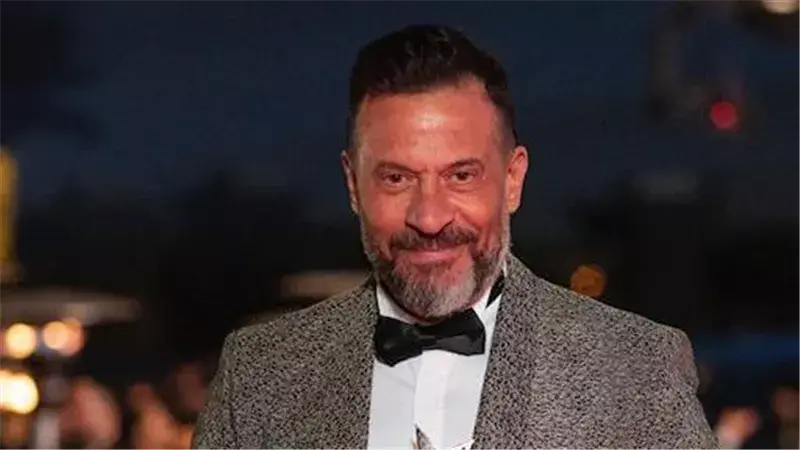
El Sharnouby appeared in promotional material for “Baad El Leil” with a noticeably different look, which immediately sparked discussions among fans on social media.
During his appearance with Esaad Younis, he explained that audiences had become accustomed to seeing him as the calm and well-mannered young man they had known for years.
The sudden change therefore came as a surprise to many followers.
👀 His transformation was not limited to music. It was also an attempt to create a different visual identity and present a new version of himself to the public.
💪 A lifestyle transformation
El Sharnouby also spoke about his efforts to improve his lifestyle, including paying greater attention to his food, exercise and sleep.
His weight loss became part of his new public image and coincided with the artistic transformation surrounding “Baad El Leil.”
The result was a broader change that combined music, appearance and personal development.
🌙 The story behind “Baad El Leil”
The title track has a particularly personal story.
El Sharnouby explained that the song emerged spontaneously rather than from a carefully planned songwriting process. He described the experience as something close to a form of emotional therapy because it allowed him to express feelings that had been inside him.
That experience eventually inspired the album’s title.
The phrase “Baad El Leil”, meaning “After the Night,” reflects a sense of moving beyond a difficult or darker period toward a new phase of clarity, freedom and self-discovery.
🌙➡️☀️ After the night comes a new beginning.
🎼 El Sharnouby’s growing creative role
One of the most important aspects of the album is the extent of El Sharnouby’s involvement.
He composed six tracks and participated in arranging five, while also writing the title song.
He worked with several songwriters, composers and arrangers, including Filipino, Mostafa Nasser, Mostafa Haddouta, Ehab Abdel Wahed, Attar, Amr El Banna, Ismail Nosrat, El Waili and Julio.
The collaboration created a diverse musical experience while preserving El Sharnouby’s growing personal signature.
📱 Esaad Younis and the power of social engagement
The connection between Esaad Younis’ October nostalgia post and Mohamed El Sharnouby’s appearance highlights the power of social media and television to create conversations rather than simply deliver information.
The question about an old Egyptian memory encourages followers to look back, while El Sharnouby’s transformation encourages them to debate music, appearance and artistic identity.
💬 Now it is your turn:
Do you remember details from Egypt’s October era that still live in your memory? 🇪🇬
And what do you think about Mohamed El Sharnouby’s new image in “Baad El Leil”? 🎤
Did you like the transformation, or do you prefer his previous style?
❤️ Share your opinion in the comments and tell us which song from “Baad El Leil” is your favorite.
🇪🇬 Fixed Closing:
Memories remain part of a nation’s collective identity, while music and television continue to connect generations through stories, emotions and shared experiences. From October memories to new musical journeys, the smallest details can sometimes create the biggest conversations. ❤️