🎬 “The Success of ‘The King Who Lives With the Man’ Revitalizes Cinemas” — February Revenues Surge to 118.5 Billion Won, Up More Than 100% Compared to Last Year
The remarkable box office performance of the film “The King Who Lives With the Man” has significantly revitalized the South Korean cinema market after a period of stagnation during the previous year.
According to data from the Korean Film Council’s integrated ticket information system (KOBIS) under the Ministry of Culture, total cinema revenue in February reached 118.5 billion won, compared to 53 billion won in February of the previous year.
📈 This represents a growth of more than double, clearly reflecting a strong recovery in theatrical attendance.
🎬 Film: “The King Who Lives With the Man”
🏯 Full Story & In-Depth Dramatic Analysis
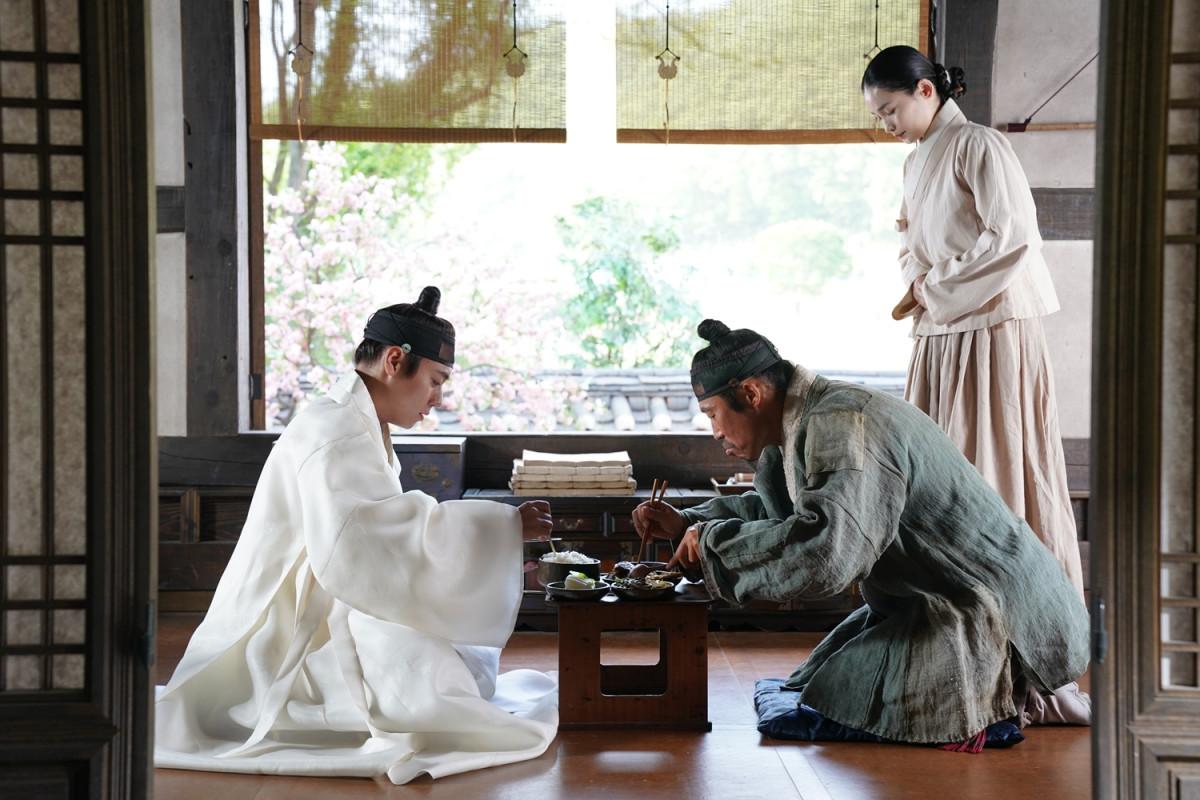
This historical drama blends politics, power struggles, and emotional conflict inside the royal court. The narrative does not simply focus on a king — it explores power, identity, and loyalty within a complex system of governance.
🔥 Opening: A King Trapped Inside Power
The story begins at a critical moment within the kingdom where political tension and internal conspiracies dominate decision-making.
Although he holds the title of king, his authority is constrained by advisors, hidden political forces, and continuous pressure to maintain stability.
Key question:
Is the king truly in control — or are unseen forces shaping his decisions?
⚖ Core Relationship: The King and the Man Who Lives With Him
The title highlights a central figure who exists within the king’s intimate political and personal space.
- Deep personal loyalty
- Friendship beyond protocol
- A relationship that may carry hidden political implications
As power dynamics shift, trust becomes fragile and every action is examined under scrutiny.
⚔ Internal Political Conflict
Factions inside the court compete for influence:
- Reformists pushing for change
- Conservatives protecting existing power structures
- Actors seeking personal gain from instability
Each group attempts to influence the king through pressure, strategic information, and political leverage.
🧠 Psychological Transformation of the King

Initially, the king appears hesitant and dependent on advisors.
As the story progresses, he confronts betrayal, conspiracy, and political manipulation — forcing him to evolve into a decisive ruler.
💔 Tension in the Personal Relationship
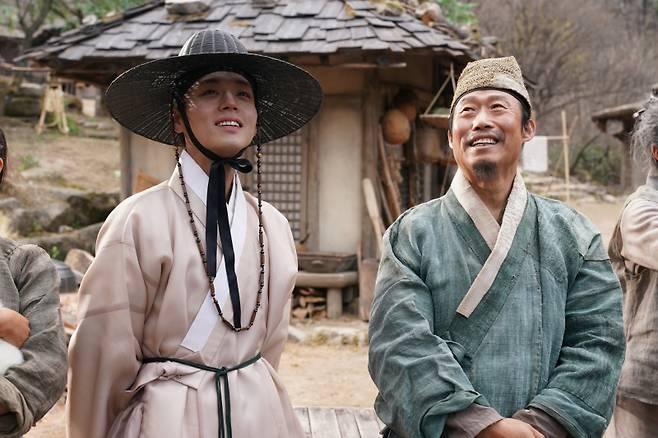
Political pressure begins to strain trust between the king and his closest confidant.
- Was the loyalty genuine?
- Are there hidden motives?
- Does proximity to power change people?
The film raises a profound question: Does power destroy relationships — or simply reveal their true nature?
🏰 Impact on Society

Royal decisions influence:
- Economic stability
- National security
- Regional development
The contrast between state interests and public reality forms a deeper social dimension.
⚡ Climactic Moment
A major conspiracy threatens the king’s authority.
- Direct confrontation
- Sacrificing close allies
- Taking a bold political decision to preserve power
The final confrontation depends on strategic intelligence rather than force alone.
🎭 Main Characters
👑 The King
A complex figure balancing duty and humanity.
🤝 The Close Companion
Represents loyalty — but also potential political tension.
🏛 Advisors
Power brokers within the system — some loyal, some ambitious.
🌟 Key Themes
- Power as a test of character
- Trust as strength and vulnerability
- Politics as balance, not absolute control
- Human relationships under authority pressure
🎬 Conclusion
“The King Who Lives With the Man” is not merely a historical film — it explores emotional depth, political strategy, and transformation under pressure.
Its strong box office success reflects audience interest in historical drama combined with psychological storytelling.