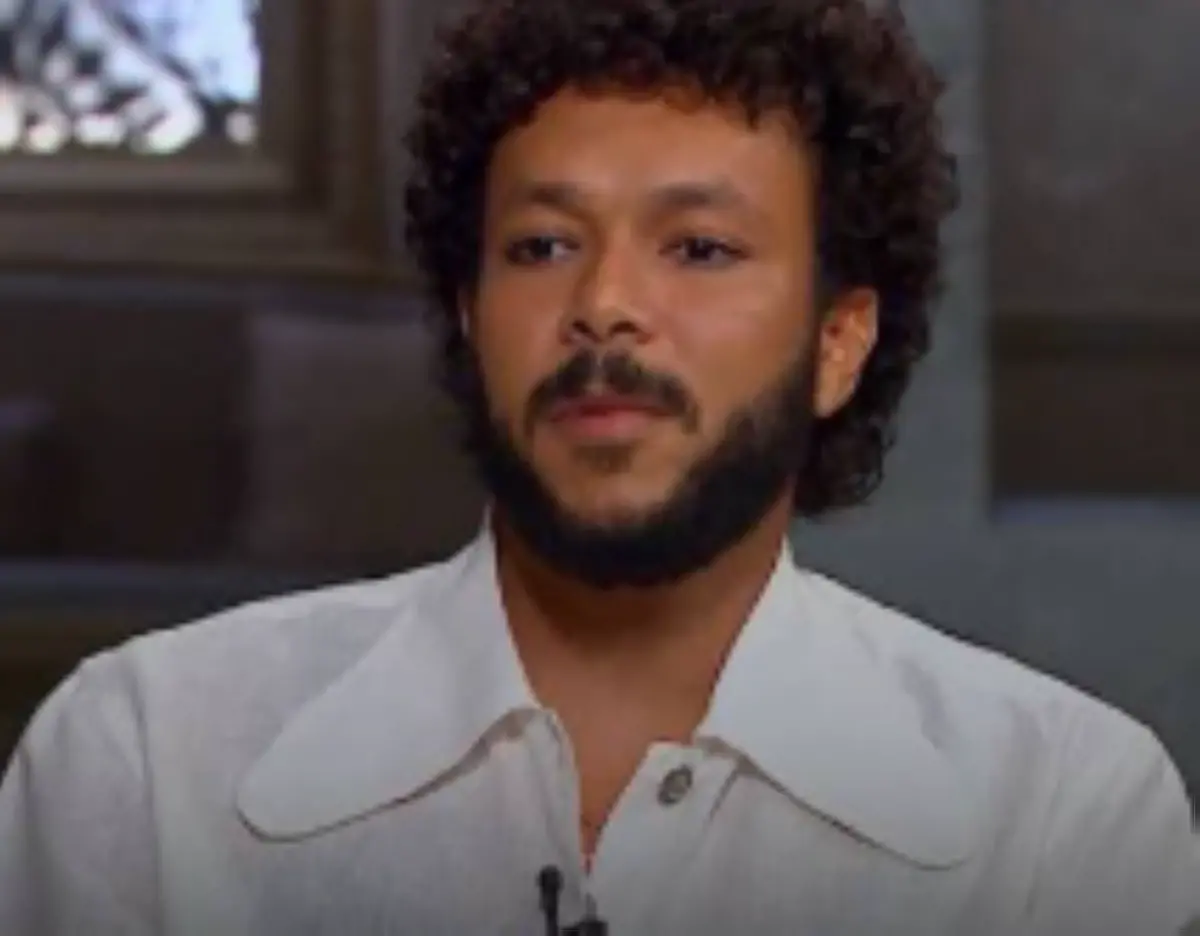

How Did the Controversy Begin?
The controversy began after Wegz released his new song, which included the phrase “Every person shall have what they intended” among its lyrics.
The phrase is part of the well-known Prophetic hadith: “Actions are judged by intentions, and every person shall have what they intended.”
Its inclusion in the song quickly sparked discussion about whether expressions drawn from religious texts are appropriate within musical and artistic works.
Criticism Over the Religious Phrase
The phrase generated mixed reactions on social media, particularly because of its connection to a widely recognized religious text.
Preacher Khaled Zaki criticized the use of “Every person shall have what they intended” in the song and expressed his position through his Instagram account, adding another dimension to the growing discussion surrounding Wegz’s latest release.
Al-Azhar Fatwa House Enters the Debate 📢
As the controversy continued, the discussion expanded beyond social media following the involvement of Egypt’s Al-Azhar Fatwa House in addressing the broader issue of using religious texts or expressions in artistic works.
The debate consequently moved beyond the song itself to questions about the boundaries surrounding religious expressions in art and the distinction between conveying a religious meaning and placing a religious phrase within a specific artistic context.
An Ongoing Debate Over Art and Religious Expressions
The Wegz controversy has renewed discussion about the relationship between artistic works and religious language, particularly when songs include phrases drawn from Prophetic traditions or other religious texts.
Critics of such usage argue that the context and religious significance of these expressions should be taken into consideration, while the broader debate continues over how religious language should be handled when incorporated into contemporary artistic works.
Conclusion
A short phrase in Wegz’s new song has developed into a broader public debate, beginning with criticism on social media and eventually involving Al-Azhar Fatwa House. The controversy has once again raised questions about the use of religious expressions in songs and other artistic works.
What do you think about using religious expressions in song lyrics? 🎤