
Artificial intelligence is no longer simply a futuristic concept for the film industry. Its tools are increasingly being introduced into different stages of filmmaking, creating new opportunities while also raising difficult questions about creativity, copyright and the future of creative jobs.
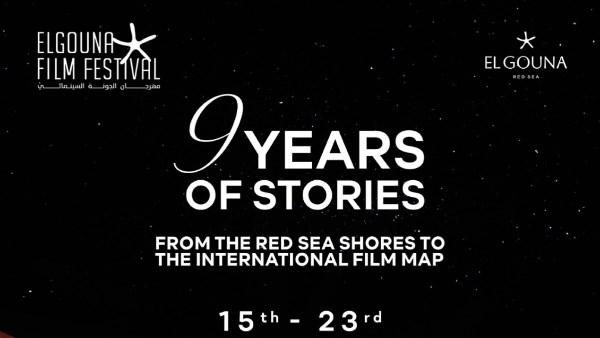
This transformation is becoming part of the professional conversation surrounding the ninth edition of El Gouna Film Festival, which will take place from October 15 to 23, 2026.
Through its professional platform, CineGouna, the festival is dedicating discussions to the impact of artificial intelligence on filmmaking and the broader changes taking place across the industry. The professional program includes around 35 events covering several major industry topics, including AI, storytelling, audiences, production and distribution. ✨
🤖 From Ideas to Screen: Where Does AI Enter Filmmaking?
AI tools are increasingly being used beyond the traditional field of visual effects.
During the development stage, some AI applications can help filmmakers organize ideas, analyze screenplays, explore character structures and test different narrative possibilities.
For writers, these tools can provide a way to experiment with different approaches before moving into production.
However, this does not necessarily mean that AI replaces the writer.
The central value of a film still depends on the originality of the idea, the emotional depth of the characters and the creative vision behind the story.
🎭 The key question is therefore whether AI becomes a creative partner or remains a tool controlled by the filmmaker.
🎥 How Can Directors Use AI?
For directors, AI can help transform written ideas into early visual concepts.
Digital tools can be used to experiment with the atmosphere of a scene, visual compositions, lighting concepts and character positioning before cameras begin rolling.
These outputs do not necessarily become the final cinematic images. Instead, they can function as communication tools between the director, cinematographer, producer and other members of the production team.
📸 Such technology can also allow filmmakers to test multiple visual approaches before committing to a specific production plan.
💰 AI and Film Production Management
Artificial intelligence can also play a role in the organizational side of filmmaking.
Film producers deal with complex schedules, locations, crew requirements, equipment, budgets and production deadlines.
Some digital systems can help organize large amounts of information, analyze production data and identify potential scheduling problems.
This could be particularly useful for independent productions that operate with limited financial and human resources.
🌟 A New Opportunity for Young Filmmakers
One of the most significant possibilities created by AI is its potential to give young and independent filmmakers access to tools that once required large budgets.
A filmmaker with a strong idea can create early visual materials, prepare a professional project presentation and experiment with elements of the project before approaching producers or funding organizations.
This can be particularly valuable in the Arab film industry, where emerging filmmakers often face financial and production limitations.
🎬 However, easier access to technology does not automatically create better films. Storytelling, acting, direction and artistic identity remain essential.
🌍 From Production to Distribution
AI can also influence what happens after a film has been completed.
In marketing and distribution, data analysis can help identify audience interests and determine which markets may be suitable for a particular film.
Technology can also support the creation of promotional materials and assist with translation and multilingual versions.
🌍 For Arab filmmakers, these tools could potentially make it easier for locally produced films to reach international festivals, streaming platforms and audiences outside the region.
🎞️ AI in Editing, Sound and Post-Production
Artificial intelligence is also entering some areas of post-production.
These applications can assist with tasks such as organizing footage, searching through large amounts of material, supporting editing workflows, improving sound and image quality, color-related processes and translation.
Yet the artistic decisions remain human.
The choice of a particular shot, the rhythm of a scene and the emotional timing of an edit are not simply technical decisions.
❤️ Editing is also part of the emotional language of cinema.
⚖️ What Are the Main Concerns?
Despite the opportunities, AI raises serious questions for filmmakers.
One of the biggest concerns involves copyright and intellectual property, particularly when existing creative works are used in the development or training of AI systems.
Another issue involves actors and other performers, especially when digital systems can reproduce or imitate a person's voice, image or performance.
The industry is also discussing the potential impact of automation on employment and the possibility that certain technical tasks could increasingly be handled by AI.
⚠️ These developments make professional and legal frameworks increasingly important.
🧠 Can AI Replace Filmmakers?
Despite rapid technological development, cinema remains fundamentally a human form of storytelling.
AI can analyze information, generate possibilities and assist with production tasks, but filmmaking also depends on lived experience, emotions, cultural identity and personal artistic vision.
The more practical question may therefore not be whether AI will replace filmmakers, but rather:
How can filmmakers use AI without losing their creative identity?
🎬 CineGouna and the Future of Filmmaking
The AI discussion forms part of a broader professional program at El Gouna Film Festival, where CineGouna continues to connect filmmakers with producers, industry professionals and potential partners.
The festival's emerging talent program received more than 1,000 applications this year, selecting 118 participants from 14 nationalities for opportunities involving training, networking and professional development.
The figures highlight the growing interest in developing a new generation of filmmakers at a time when the industry's tools are changing rapidly.
🌐 The Future of Arab Cinema
Artificial intelligence is likely to become an increasingly visible part of filmmaking in the coming years.
It can help reduce the time required for certain tasks, support experimentation, provide new creative possibilities and potentially help independent filmmakers compete in a global environment.
But cinema cannot be reduced to technology.
🎥 The story, the writer, the actor, the director, the image, the music and the human emotion remain the elements that give a film its identity.
This is why the discussion surrounding AI at El Gouna Film Festival is significant: the goal is not simply to replace traditional filmmaking methods, but to understand how technology can become a useful tool in the hands of creators while protecting artistic identity, intellectual property and the human essence of cinema. ✨
Image Alt
Artificial intelligence and its impact on the future of filmmaking at El Gouna Film Festival 2026
Meta Title
Artificial Intelligence in Cinema: El Gouna Film Festival 2026
Meta Description
El Gouna Film Festival 2026 explores the impact of artificial intelligence on filmmaking, from screenwriting and production to editing, marketing, distribution and creativity.
Keywords
AI in cinema, El Gouna Film Festival 2026, artificial intelligence filmmaking, CineGouna, future of cinema, AI film production, Arab cinema, AI and filmmaking technology