
🎬 At the 45th Istanbul Film Festival, Turkish director Nuri Cihan Ozdogan presented his debut feature film Dead Dogs Don’t Bite, marking its Turkish premiere after its international debut at the Rotterdam Film Festival earlier this year. The film immediately drew critical attention for its bold narrative and uncompromising visual language.
🌍 Rather than telling a conventional social drama, the film immerses the viewer in a dark underworld where illegal waste trafficking becomes a gateway to exploring deeper systemic corruption and moral decay.
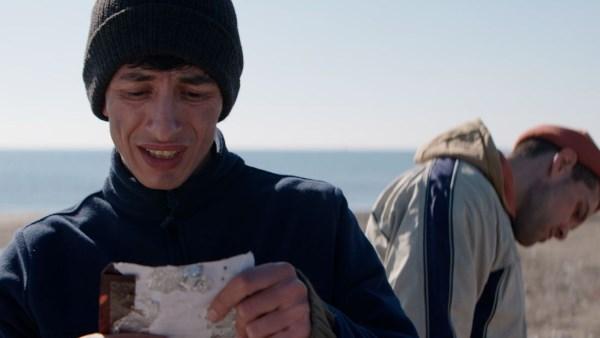
🗑️ The story follows “Ismet” and his childhood friend “Doğu,” who work at the lowest level of an illegal network responsible for burying non-recyclable waste in nature. What initially appears to be a local criminal operation gradually reveals itself as a reflection of a much larger economic and ethical system.
⚠️ The waste industry in the film becomes a metaphor for society itself—where everything, including human relationships, is treated as disposable and replaceable.
🎭 The film cleverly reinterprets crime genre conventions, not as spectacle-driven violence, but as a structural consequence of economic inequality and corruption embedded in everyday life.
🔥 The central tension between Ismet and Doğu evolves into the emotional core of the film, transforming their friendship into a fragile construct under pressure from money, fear, and survival instincts.
🎥 Visually, the film adopts a dark, gritty aesthetic, characterized by muted colors, low lighting, and claustrophobic framing that mirrors the suffocating world it portrays.
🌫️ This visual approach deliberately contrasts with the polished, touristic image often associated with Turkish screen productions, instead presenting an unfiltered, harsh reality of marginalized spaces.
🎬 Performances are led by Kemal Burak Alper as Ismet, delivering a restrained yet emotionally charged portrayal of moral fragility, while Burak Can Dogan as Doğu brings intensity and psychological depth to the narrative.
⚖️ Their evolving relationship serves as the backbone of the film, illustrating how socio-economic pressure can distort human bonds and redefine loyalty.
🌱 Environmentally, the film goes beyond surface-level commentary, framing pollution not just as an ecological issue, but as a symptom of systemic moral failure.
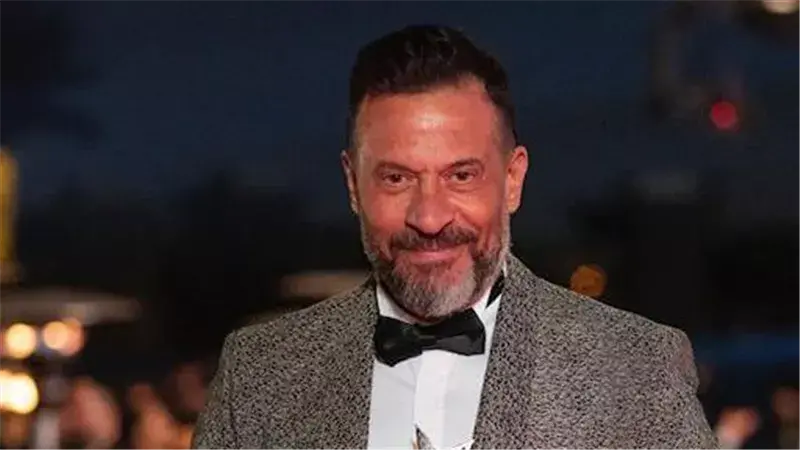
💬 Festival director Kerem Ayan praised the film as a promising debut with strong artistic depth, highlighting its inclusion in the international competition section as a testament to its creative strength.
🎯 Ultimately, the film avoids easy answers, instead posing difficult questions about labor, friendship, and survival in a system built on exploitation.
🧠 Dead Dogs Don’t Bite stands as a bold statement from emerging Turkish cinema—one that uses storytelling not for escape, but for confrontation.