Kamal El-Shennawy Remembered: His Final Wish, His Son’s Death and a Legendary Career
On the anniversary of his death, Egyptian cinema remembers legendary actor Kamal El-Shennawy, one of the country's most influential stars whose career spanned more than six decades. Beyond his iconic film roles, his final days revealed a deeply personal story involving his last wish to remain at home and the devastating loss of his son Alaa.
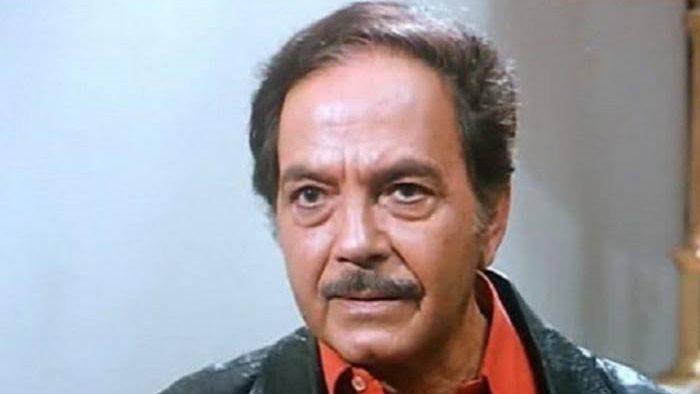
Egyptian cinema marks the anniversary of the death of legendary actor Kamal El-Shennawy, who passed away on August 22, 2011, at the age of 89.
For more than six decades, El-Shennawy remained one of the most recognizable faces in Egyptian cinema, successfully moving between romantic leading roles, dramatic characters, villains and comedy.
His ability to reinvent himself helped him remain relevant across several generations of Egyptian audiences. 🎬✨
🎭 Early life and artistic beginnings
Born Mohamed Kamal El-Shennawy in Mansoura on December 26, 1921, the actor spent part of his early life in Cairo's Sayeda Zeinab district.
He studied at the Faculty of Art Education at Helwan University, developed an interest in visual arts and worked as an art and drawing teacher before eventually dedicating himself to acting.
He also attended the Arabic Music Institute, reflecting his early connection to several forms of artistic expression. 🎨🎶
⭐ His cinema breakthrough
El-Shennawy began his film career in the late 1940s, with “Ghani Harb” in 1948 marking one of his earliest major appearances.
That same year, he appeared in films including “Hamamet Salam” and “Adalet El Sama.”
His popularity grew rapidly, particularly during the 1950s, when he became one of the most prominent stars of Egyptian cinema. 🎥
❤️ From romantic hero to complex characters
El-Shennawy initially became known for his elegant appearance and romantic leading roles.
However, he refused to remain confined to one image.
Over the years, he successfully played dramatic and complex characters, villains and comedic roles, proving that his talent extended far beyond his early “leading man” image.
Among his best-known films are “Al Ostaza Fatma,” “Al Mara'a Al Maghoula,” “The Thief and the Dogs,” “Al Karnak,” “The Man Who Lost His Shadow” and “The Impossible.”
He later appeared in popular films including “Terrorism and Kebab” and “Tata, Rika and Kazem Bey.”
His final feature film was “Zaza” in 2006. 🎬👏
🎞️ Working with Egypt's biggest stars
Throughout his career, El-Shennawy worked with some of the most important figures in Egyptian cinema.
He appeared alongside Ismail Yassin, Faten Hamama, Shadia, Laila Mourad and Sabah, among many other major stars.
These collaborations produced memorable cinematic pairings and helped establish his place in the history of Egyptian film. ❤️
🏆 A career filled with recognition
El-Shennawy's career lasted for more than 60 years, during which he appeared in more than 200 film and television productions, with some records documenting an even larger total depending on the type of work counted.
He received several honors, including a Honorary Award from the Catholic Center Cinema Festival in 1960 and an Excellence Award in Acting from the Film Society Festival in 1992.
Several of his films also became recognized as important works in the history of Egyptian cinema. 🏆🎥
🎬 His experience as a director
El-Shennawy also explored filmmaking from behind the camera.
In 1965, he directed “Tanabla El Sultan,” which became his only directorial feature.
Although he did not pursue directing further, the experience demonstrated his interest in the broader filmmaking process.
🖤 His final wish
One of the most emotional stories surrounding El-Shennawy's final days was revealed by his son Mohamed Kamal El-Shennawy.
According to his son's account, the actor suffered several strokes toward the end of his life.
His family tried to convince him to go to hospital, but he refused and insisted on remaining at home.
His final wish was reportedly to die in his own bed and at home, allowing his audience to remember him as they had always known him.
The story offers a deeply human glimpse into the private side of a star who remained conscious of his public image until the end. 🕊️
💔 The devastating loss of his son Alaa
One of the most painful events in El-Shennawy's later life was the death of his son Alaa.
His other son, Mohamed, previously described Alaa's death as a devastating blow to their father.
He explained that the loss deeply affected El-Shennawy and that his father struggled to overcome the pain of losing his son.
According to the account, Alaa died after having the pre-dawn meal, and his mother discovered that he had passed away when she went to wake him.
The tragedy reportedly left a profound emotional impact on El-Shennawy during the final period of his life. 💔🕊️
📺 A rare recording reveals his perspective
A rare recording of El-Shennawy with journalist and broadcaster Youssef Khalifa also provides insight into the actor's own perspective on his career.
In the recording, he discussed beginning his acting career at a very young age and noted that he did not know of another actor who had started at the same age.
He also spoke positively about actor Mahmoud Hemida, whom he considered the closest to him among later generations of performers. 🎙️✨
📺 His television career
El-Shennawy also became a familiar face on Egyptian television.
His television credits include “Zeinab Wal Arsh,” “Hend Wal Doctor Noman,” “Awlad Hadret El Nazer,” “Al Aela Wal Nas,” “Lidawae Amniya” and “Akher El Meshwar.”
His ability to transition between cinema and television helped him remain popular with audiences across different generations. 📺❤️
🌟 Why his legacy remains strong
Years after his death, Kamal El-Shennawy remains an important name in Egyptian cinema.
His legacy is not based simply on the number of films he made, but on his ability to evolve throughout his career.
He began as a romantic leading man before taking on more complex dramatic characters, villains and comedy roles.
Films such as “The Thief and the Dogs,” “Al Karnak,” “The Man Who Lost His Shadow,” “The Unknown Woman” and “Terrorism and Kebab” demonstrate the range of his acting career. 🎬❤️
🕊️ A legacy that continues
Kamal El-Shennawy died in August 2011, but his work continues to appear on television and digital platforms, introducing new generations to his performances.
He belonged to a generation that witnessed major transformations in Egyptian cinema, from the golden age of black-and-white films to color cinema and the rise of television drama.
His story remains a combination of artistic achievement and human experience, especially when remembered through his final wish and the profound grief he experienced after losing his son. 🖤🎥
🕯️ Conclusion
On the anniversary of Kamal El-Shennawy's death, audiences remember a legendary actor whose career lasted more than six decades.
Behind the glamorous image of the Egyptian cinema star was a deeply human story involving his final wish to remain at home and the devastating loss of his son Alaa.
His films, characters and distinctive screen presence continue to keep his memory alive.
May God have mercy on Kamal El-Shennawy and keep his artistic legacy alive in the hearts of his audience. 🕊️🎬
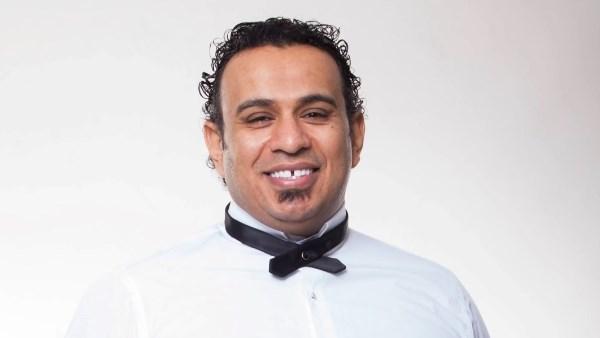
Egyptian popular singer Mahmoud El Leithy sent a heartfelt message to his fans on the occasion of the Prophet Muhammad’s birthday, expressing gratitude for their continuous love and support. He also spoke about his close relationship with Sherine Abdel Wahab and his happiness over her return to the stage.

Legendary Egyptian composer Omar Khairat is preparing for a highly anticipated musical concert at El Sawy Culturewheel’s venue at Nile University in Sheikh Zayed, while recalling the remarkable story behind his entry into film scoring and the pivotal role played by iconic actress Faten Hamama in launching one of the most important chapters of his artistic career.
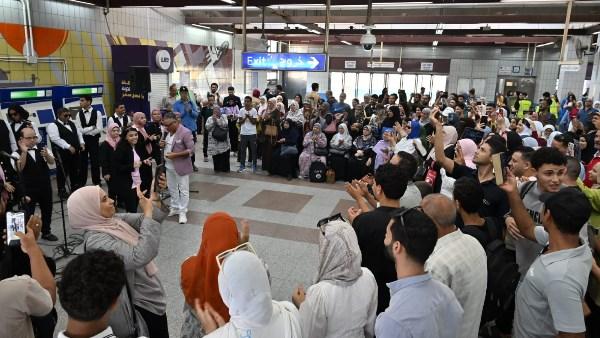
Cairo’s University Metro Station turned into an unexpected cultural stage as members of the Rod El-Farag Cultural Palace troupe for people with special abilities performed religious chants and artistic pieces celebrating the Prophet Muhammad’s Birthday. The event combined culture, spirituality and social inclusion in a powerful public-space experience. ✨🎶

Lebanese artist Jad Choueiri has firmly addressed speculation about his retirement from the entertainment industry, making it clear that leaving art is not part of his plans. For Choueiri, art goes far beyond a profession; it is an essential part of his personality and his way of expressing his vision of life.
