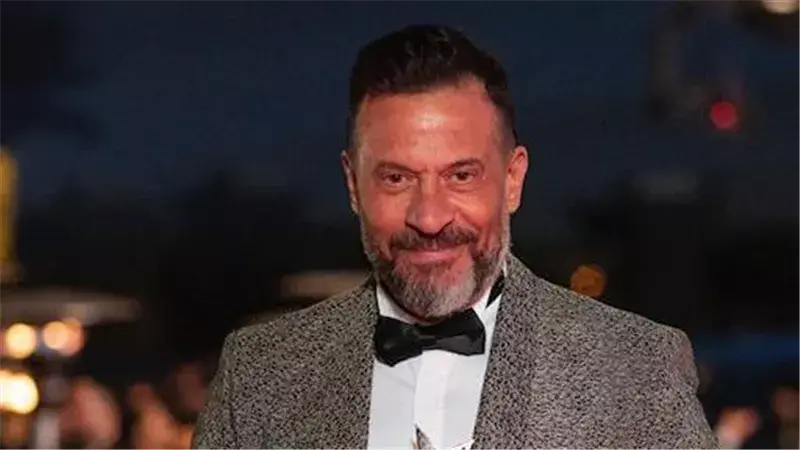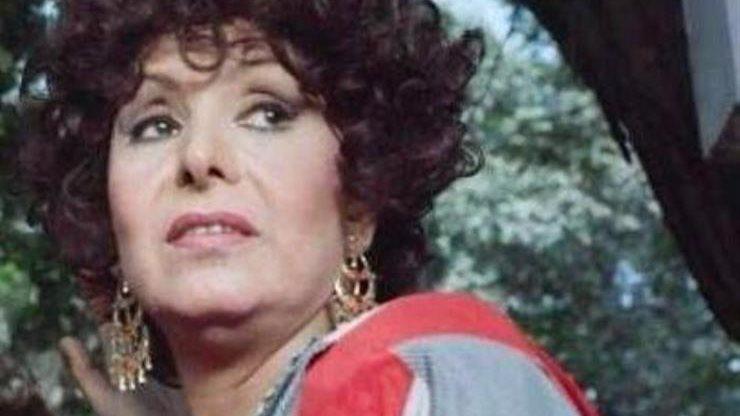

🕯️ Remembering Kawthar El Assal
Kawthar El Assal remains one of the familiar faces of Egyptian cinema and television. She passed away on September 29, 2013, after a long artistic career that included numerous films, television productions and theatrical performances.
Born on November 26, 1939, El Assal entered the artistic world at a relatively young age and gradually developed a career built around distinctive supporting performances.
She did not depend on leading roles to establish her presence. Instead, she became known for bringing personality and depth to the characters she portrayed.
🎭 Her Artistic Beginnings
El Assal’s early connection to acting included theater, where she gained experience before moving into professional cinema and television.
Her early career developed during the 1960s, a particularly active period in Egyptian entertainment.
Her early film appearances included “Imra'a Fi Dawama”, followed by numerous projects that helped establish her as a recognizable supporting actress.
⭐ Her Most Notable Films
Throughout her career, Kawthar El Assal appeared in a wide variety of Egyptian films.
Her credits included:
🎥 “Al-Haram”
🎥 “We Don't Plant Thorns”
🎥 “A Nose and Three Eyes”
🎥 “Good Morning, My Dear Wife”
🎥 “One Night”
🎥 “Vacation by Force”
🎥 “The Back Staircase”
🎥 “Woman for Love”
🎥 “Who Can Do It to Aziza?”
🎥 “Barefoot on the Golden Bridge”
🎥 “For the Sake of Life”
🎥 “Terrorism”
🎥 “Thick Lips”
Her filmography demonstrates the diversity of her career, extending from the 1960s into the 1990s.
📺 Television Success
Television eventually became one of the most important parts of El Assal’s legacy.
She appeared in several productions, including “Awraq Al-Ward,” “Cairo and the People,” “Ahl Al-Tareeq” and “Banat Al Thanaweya.”
However, one role became particularly associated with her name: Doria in “Lan Aeesh Fi Gelbab Abouy.”
✨ In the series, she portrayed the wife of a minister and represented a socially influential character whose views affected the decisions of her family.
The popularity of the series helped introduce her performance to later generations, particularly through repeated television broadcasts.
🎭 The Power of a Supporting Role
Kawthar El Assal’s career is an example of how a supporting actress can create a lasting impact without being the central star of a production.
Her performances often relied on subtle details, controlled expressions and a strong understanding of the character.
💫 As a result, many of her roles remained memorable long after the productions themselves had ended.
❤️ Her Love Story with Mohamed Wafik
Away from the screen, El Assal’s personal life was connected to actor Mohamed Wafik.
The two were relatives, as El Assal was Wafik’s cousin. They knew each other from an early age, but their relationship did not immediately lead to marriage.
El Assal first married actor Abdel Moneim Ibrahim, and their marriage lasted for many years until his death.
Afterward, her relationship with Mohamed Wafik became an important part of her personal story.
❤️ Wafik had spoken publicly about his long-standing feelings for El Assal and his hope that they would eventually be together.
💍 Marriage After Years of Waiting
The long-standing relationship eventually turned into marriage toward the end of the 1980s.
For Wafik, the marriage represented the fulfillment of a dream he had carried for many years.
✨ Their story became particularly memorable because it was based on a long familiarity that survived changing circumstances and different stages of their lives.
🌹 Her Retirement from Acting
El Assal eventually decided to leave the entertainment industry.
Her later career included the highly remembered “Lan Aeesh Fi Gelbab Abouy” in 1996, after which she stepped away from acting and public life.
She remained largely away from the spotlight until her death in 2013.
🕯️ Her Passing
Kawthar El Assal passed away on September 29, 2013, at the age of 74.
Her funeral was held at Al-Hosary Mosque in 6th of October City, marking the end of a career that had spanned several decades.
✨ Why Her Legacy Remains
Kawthar El Assal’s legacy does not depend on the number of leading roles she played.
Her strength came from making supporting characters memorable.
🎬 From classic Egyptian cinema to television dramas, she built a career based on distinctive performances that audiences continued to remember.
❤️ Her artistic legacy was accompanied by a personal story that also captured public attention, particularly her eventual marriage to Mohamed Wafik after years of affection and waiting.
🌹 Conclusion
On the anniversary of Kawthar El Assal’s passing, her name remains connected to some of the memorable productions of Egyptian entertainment.
Her career demonstrates that a performer does not always need to be the central character to leave a lasting impression.
🎭 Her roles, particularly Doria in “Lan Aeesh Fi Gelbab Abouy,” continue to introduce her to new generations.