
🎬 Michel Milad Talks About the Character That Surprised Audiences
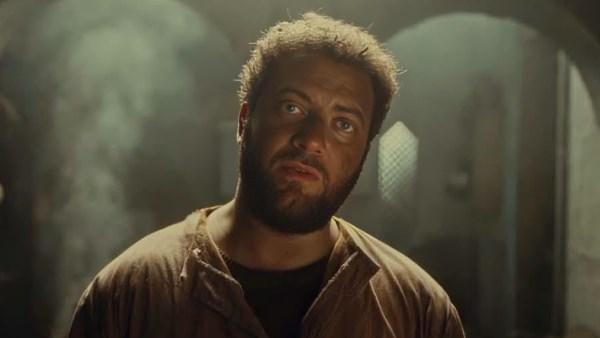
Michel Milad has attracted significant attention following his performance as Moatasem in “What Was Not Told About Beni Mazar,” part of the Egyptian anthology series “The Full Story.”
The story is presented through a crime, horror and mystery framework and draws inspiration from a real case that shocked Egypt more than two decades ago.
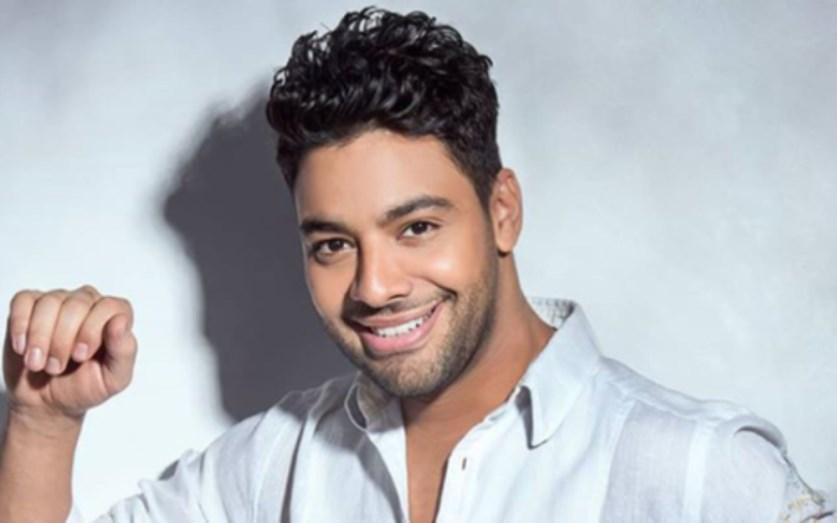
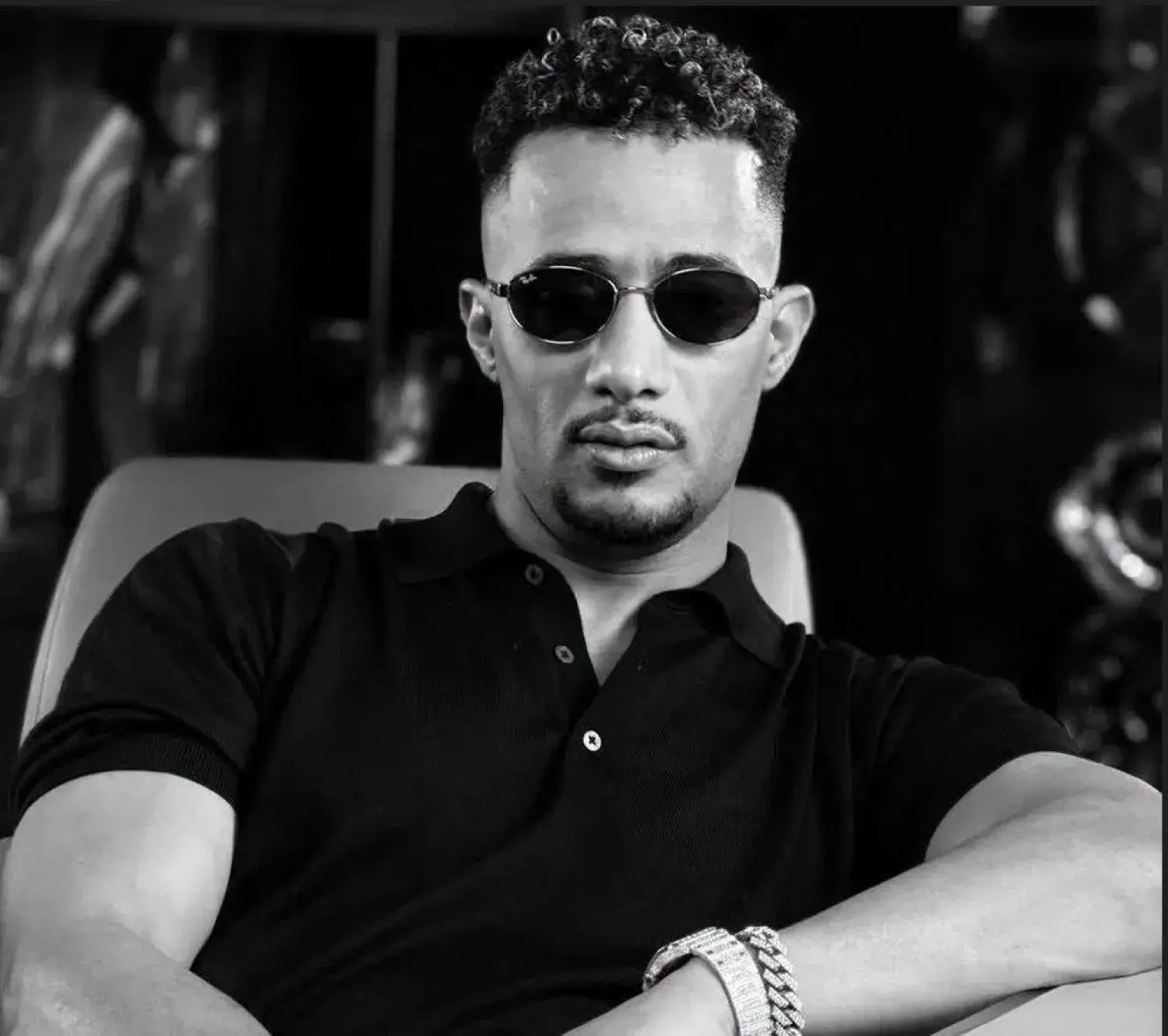
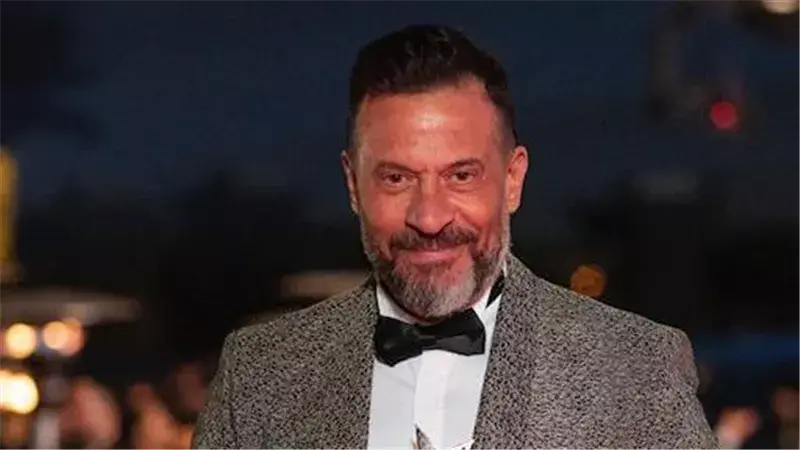
The Beni Mazar story consists of three episodes and features Ahmed Abdel Wahab, Michel Milad, Ahmed Abdel Hamid, Mourad Makram, Safaa El Toukhy and Arifa Abdel Rasoul, with Khaled El Sawy appearing as a special guest.
😮 A Bigger Audience Response Than Expected
Milad said he was genuinely surprised by the response to his performance.
He explained that he usually approaches his projects without setting high expectations, but the reaction to Moatasem exceeded what he had imagined.
The audience response went beyond general interest in the story, with viewers particularly discussing his performance, the psychological transformation of the character and his ability to reproduce the regional dialect associated with Beni Mazar in Minya.
🧠 Why Did Michel Milad Consult a Specialist?
One of the most notable details revealed by Milad was his decision to consult a specialist while preparing for the role.
According to the actor, he wanted to understand the psychological condition written into Moatasem’s character and discuss the different dimensions that shaped the character.
Rather than relying only on the script, Milad sought additional understanding that could help him approach the role from the inside and build a more consistent performance.
Milad described Moatasem as a character written with schizophrenia-related psychological symptoms. That description reflects the fictional construction of the role rather than a diagnosis of any real person.
🎭 For an actor, this kind of preparation can be particularly important when portraying complex psychological experiences, as the performance needs to remain connected to the story without turning the character into a stereotype.
🔍 Moatasem Is Different From Milad’s Previous Roles
The character represents a major shift from some of Michel Milad’s better-known comic performances.
Moatasem exists within a much darker and more psychologically demanding dramatic environment, becoming directly connected to the central mystery of the case.
Milad previously described the psychological structure and changing emotional state of the character as among the elements that attracted him most to the role. He also considered the experience one of the most challenging of his recent career.
🎭 The Dialect Was Another Major Challenge
Psychological preparation was not the only challenge.
Milad also had to work on the Beni Mazar dialect in order to make the character fit naturally into the environment of the story.
That detail became particularly important because the audience is introduced not only to the character’s emotional world, but also to a specific social and geographical setting.
Viewers noticed the effort and frequently highlighted the accuracy of the dialect alongside his acting performance.
🔥 Moatasem and the Mystery at the Heart of the Story
The character becomes increasingly important as the story develops.
“The Full Story” presents the Beni Mazar case through a dark combination of crime, horror and mystery, while the plot follows an investigation surrounded by competing explanations involving psychological disturbance, supernatural beliefs and hidden motives.
Within this structure, Moatasem contributes to the uncertainty surrounding what happened and why.
🕯️ The Real Beni Mazar Case
The real incident that inspired the drama dates back to December 2005.
Ten people from three families were found dead inside homes in the Shams El-Din area near Beni Mazar in Minya.
The case generated enormous public attention because of the circumstances surrounding the killings and the different questions raised throughout the investigation and subsequent legal process.
The dramatic series does not simply reproduce the case as a documentary.
Instead, it uses fictionalized characters and dramatic construction to explore the mystery and the human stories surrounding it.
✍️ How Was the Case Turned Into Drama?
Writer Hany Sarhan has said that he remembered the real incident and had a personal interest in following its details.
He later developed the idea with director Ahmed Nader Galal, before producer Magdy El Hawary joined the project as part of the larger “The Full Story” anthology.
The writing process involved extensive research, including assistance from a researcher who provided factual details alongside Sarhan’s own work.
📺 A Three-Episode Format
“What Was Not Told About Beni Mazar” is structured as a three-episode story, giving the project a compact dramatic format.
This structure allows the investigation and character development to move quickly, leaving little room for unrelated subplots.
For an actor, such a format can be demanding because important emotional transitions have to be communicated within a limited number of scenes.
🎬 Milad Moves From Heavy Drama to Comedy
While Milad is currently attracting attention for one of his darker performances, he is simultaneously preparing for a very different cinematic experience.
He is part of “Slaif El Ninja,” starring Menna Shalaby and Hana El Zahed alongside Khaled Kamel, Roshdy El Shamy and Hanan Soliman, with Mimi Gamal appearing as a special guest.
The film, directed by Ahmed El Gendy, is a social comedy centered on two sisters-in-law whose different personalities lead to conflicts and comic situations. Production began in September 2026.
This contrast highlights the range Milad is currently exploring between intense psychological drama and mainstream comedy.
🌟 A Role That May Change How Audiences See Him
One of the most interesting aspects of “What Was Not Told About Beni Mazar” is the way audiences have responded to seeing Milad outside the comedic space in which many viewers previously knew him.
Moatasem depends on internal tension, emotional shifts, silence and psychological detail rather than punchlines.
🎭 His preparation with a specialist, his work on the regional dialect and his focus on the character’s psychological structure all point to an attempt to create a more layered performance.