Mohamed Ragab Responds to Criticism of "Qatar Dghantoṭ" and Highlights Constructive Feedback
For the first time, Mohamed Ragab addresses the criticism of his new series "Qatar Dghantoṭ", emphasizing that constructive criticism is essential, not attacks for attention
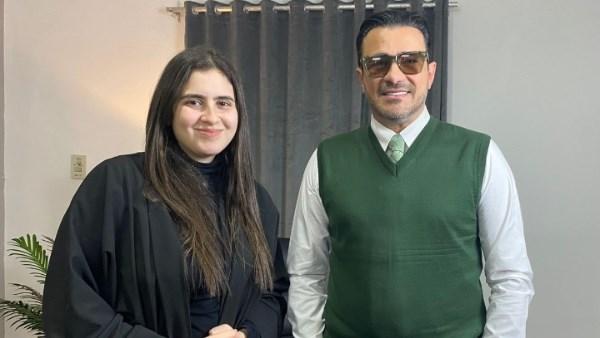

Actor Mohamed Ragab commented for the first time on the criticism directed at his new series "Qatar Dghantoṭ", stating that some attacks on the series are unjustified 💥🎬.
Ragab explained that he does not understand the concept of a so-called “organized campaign,” saying: “I don’t understand what ‘campaign’ means, but what I see is that some people are not critics at all—they just want reach and profit from their pages” 💻📈. He added that real criticism should come from professional critics in a constructive manner, aiming to develop the artist and improve the quality of the work, not just to gain views or create controversy 🔍✨.
💡 Ragab emphasizes that constructive criticism is a tool to enhance performance and enrich artistic content. Any creative work should be assessed objectively, rather than based on shallow personal opinions or commercial motives 🎭💪.
The series "Qatar Dghantoṭ" stars Mohamed Ragab alongside a talented ensemble, produced by Mamdouh Shaheen, written by Mohamed Samir Mabrouk, and directed by Hany Hamdi 🎥🌟. The show has captured wide attention for its thrilling dramatic moments and strong character portrayals 🌈📺.
✨ Mohamed Ragab’s message to the audience and young artists: Listen to constructive criticism, focus on self-development, and never let superficial comments stop you from creating remarkable work ❤️🔥.
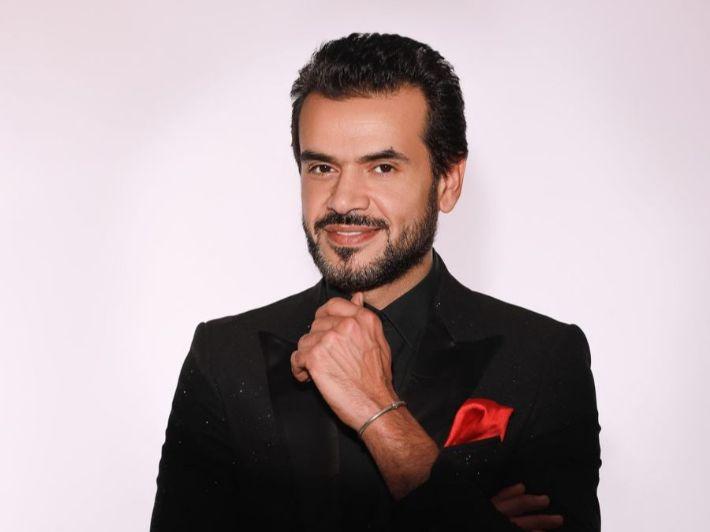
Samo Zein revealed details about songs he wrote and composed that were later given to other singers, explaining why he now legally registers his songs first.

Ahmed Ghazy and Kabore’s Mahmoud El Tany will hit Egyptian cinemas on August 13, 2026, and Arab cinemas on August 20 after its release date was moved forward.
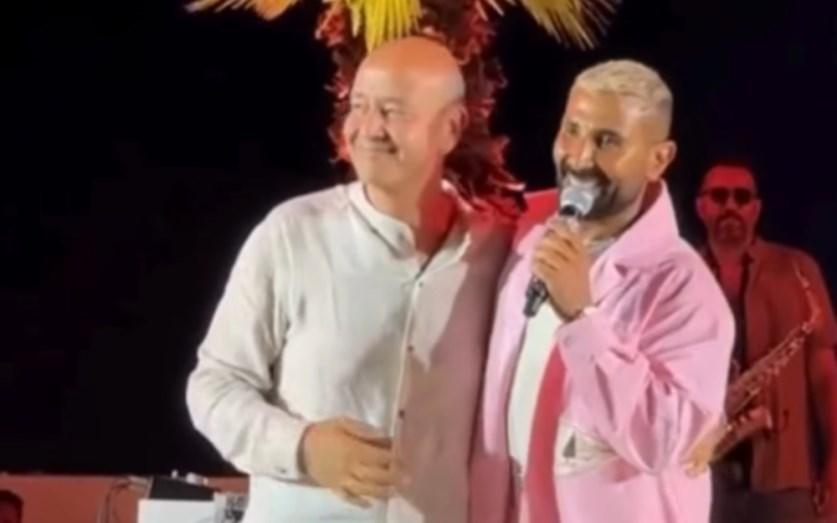
Amr Adib and Ahmed Saad are trending after the TV host appeared at the singer’s concert, took to the stage, and joined him in a dance performance amid enthusiastic reactions from the audience.

Hamza Namira’s songs reveal a striking presence of questions, from homesickness and return in “Tazkarti” to change and loneliness in “Dari Ya Albi,” and the rekindling of friendship in “Fady Shwaya.”
