A Talented Childhood and Upper Egyptian Roots in the Heart of Cairo
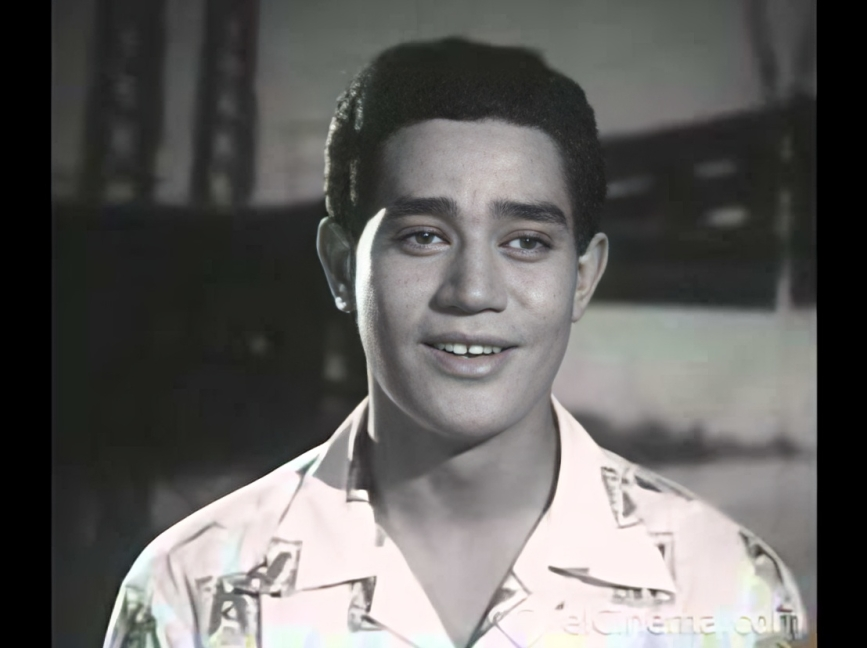
Moharram Fouad was born in the Bulaq district of Cairo on June 24, 1934, into a large Upper Egyptian family. He was the tenth child among his siblings. From an early age, he captured attention with his beautiful voice and passion for music. He performed in school concerts and later joined the Institute of Arabic Music, where formal training helped refine his talent and shape his artistic identity.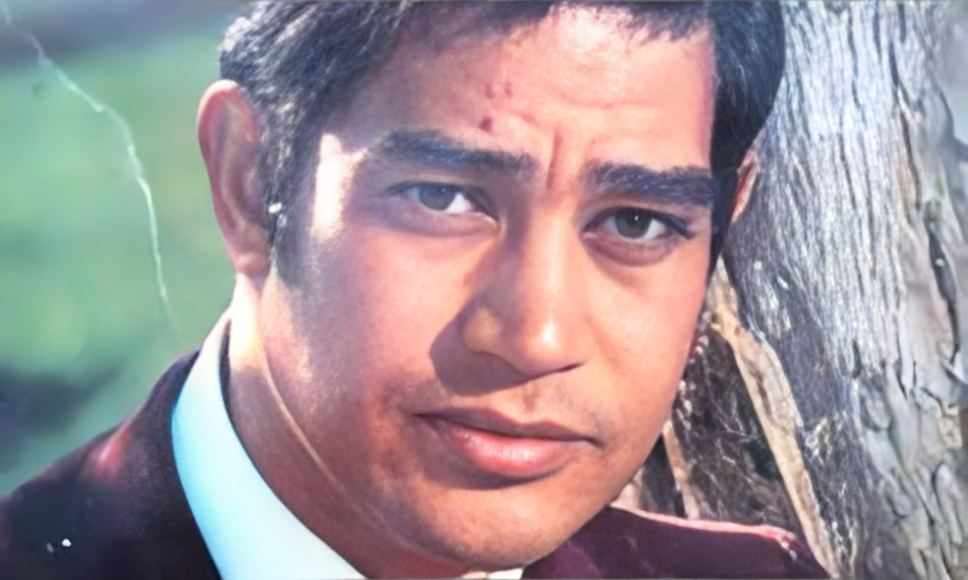 A Breakthrough from Radio
His professional career began through the “Amateurs' Corner” on Egyptian Radio, where he presented his first songs composed by himself. He strongly believed that an artist should express their own voice, not merely perform others’ works. His talent caught the attention of composer Abdel Azim Mohamed, who composed the song "Asmar Helwa Zayn", marking Fouad’s first real taste of fame and success.
From Singing to Cinema with Confidence
In 1959, Moharram Fouad made a grand entrance into the world of cinema with the film "Hassan and Naima", co-starring a young Soad Hosny in her first leading role. The film was a massive success and became one of the classics of Egyptian cinema, solidifying his status as both a singing and acting star.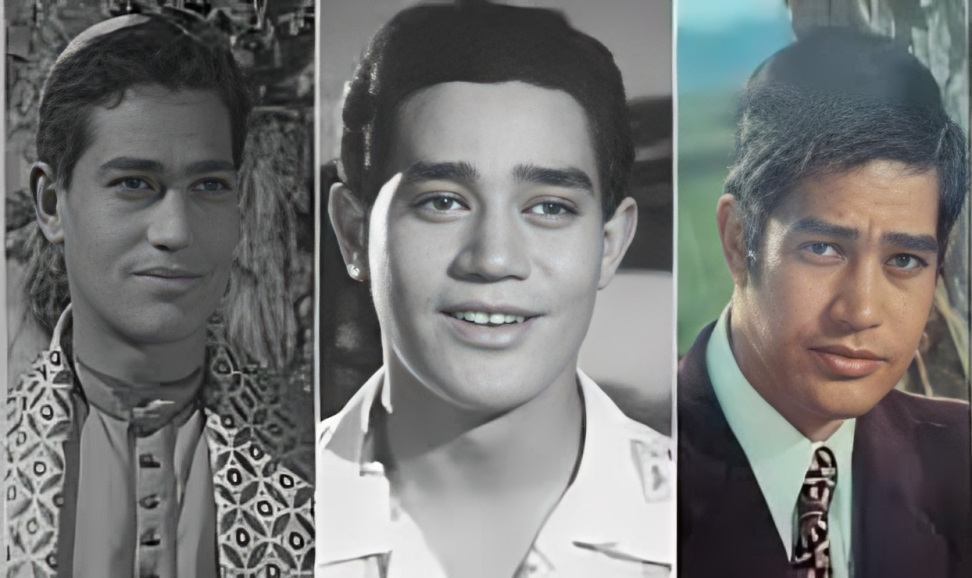
A Composer’s Voice and a Rare Talent
What set Moharram Fouad apart was his ability to compose many of his own songs—over 100 of his total 900 songs were self-composed. His music ranged from romantic to patriotic and religious themes, characterized by a powerful, emotional voice that combined tenderness with melancholy. He was always committed to high-quality lyrics and melodies.
The Number 24: A Lucky Charm
June 24 was not just Moharram Fouad’s birthday—it was a symbol of good fortune in his life. He often spoke of his emotional connection to this number, noting that many of his milestones—such as signing contracts or making important decisions—coincided with it. He considered it a special number that brought him blessings.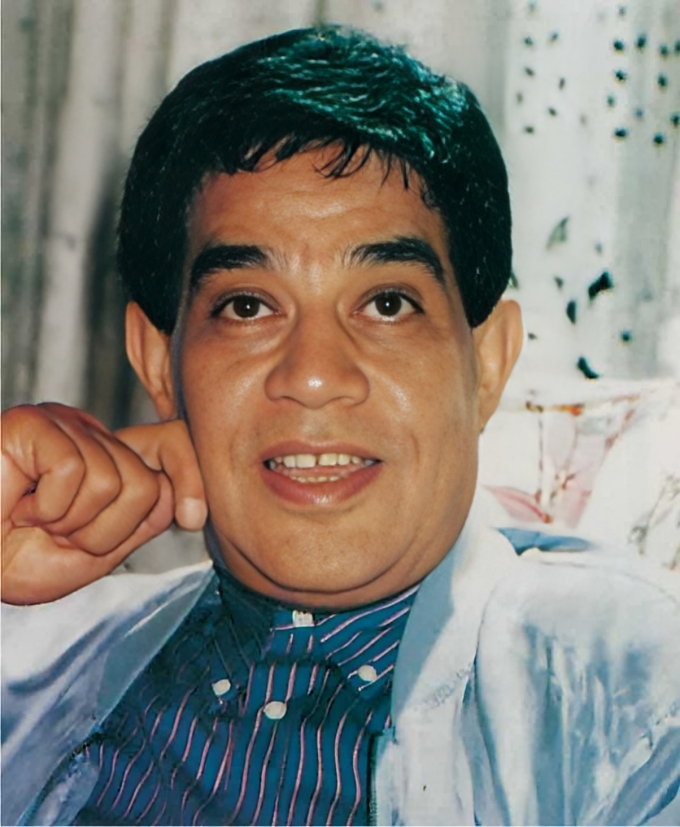
A Lasting Legacy in the Arts
With the passing of Moharram Fouad, the artistic community lost a rare and distinctive voice, a creative force in both music and cinema. He left behind a rich legacy of timeless songs and memorable films. His name continues to live on in the hearts of fans of authentic Arabic music, as one of the cornerstones of 20th-century Arab musical heritage.