Mona El Shazly Reveals the Truth About Viral Mohamed Ramadan Photos Created by AI
Egyptian media personality Mona El Shazly has addressed the controversy surrounding viral photos that allegedly showed her hosting Mohamed Ramadan on her popular television program. El Shazly confirmed that the images were not real and had been created using artificial intelligence, while also denying the stories circulating alongside them and warning social media users against believing everything they see or read online.
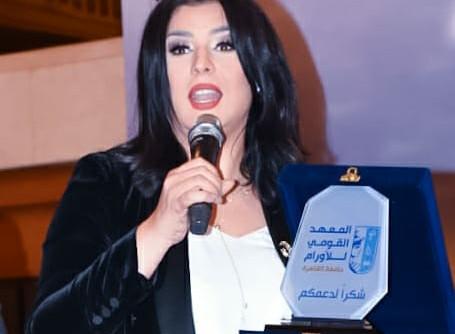

🔥 Mona El Shazly Puts an End to the Mohamed Ramadan Photo Controversy
Social media users recently circulated a series of images allegedly showing media personality Mona El Shazly with Egyptian star Mohamed Ramadan, claiming that the singer and actor had appeared as a guest on her program, Maakom Mona El Shazly, following his controversial concert in Egypt's North Coast.
The images quickly attracted attention, with many users wondering whether the alleged television appearance had actually taken place.
📱 Mona El Shazly, however, directly addressed the controversy and revealed that the images were not authentic.
She explained that the pictures had been created using artificial intelligence, while the stories being circulated alongside them were also fabricated.
🤖 The Viral Photos Were AI-Generated
The images appeared to show Mona El Shazly alongside Mohamed Ramadan and an elderly woman who was allegedly part of the audience at his concert.
Their realistic appearance encouraged some social media users to believe that the scene had actually taken place.
However, El Shazly confirmed that the pictures were digitally fabricated using AI technology.
⚠️ The incident highlights one of the biggest challenges created by modern generative AI: realistic-looking images can now be produced in ways that make fabricated events appear genuine.
🎤 Did Mohamed Ramadan Actually Appear on the Show?
The main question raised by the viral images was whether Mohamed Ramadan had actually been a guest on Maakom Mona El Shazly.
Mona El Shazly's clarification made it clear that the images should not be considered evidence of such an appearance.
The controversy therefore resulted from artificially generated visuals rather than an actual television interview.
🎬 The story also gained momentum because Mohamed Ramadan remains one of the most discussed Egyptian entertainers on social media, particularly whenever he performs at major concerts or announces a new artistic project.
📸 Why Did People Believe the Images?
AI-generated images have become increasingly sophisticated.
Modern tools can recreate lighting, backgrounds, clothing and facial details well enough to make fabricated scenes appear convincing.
🧠 When famous celebrities are involved, the content can become even more believable because audiences are accustomed to seeing them in different environments and events.
This is why a photograph alone can no longer always be treated as unquestionable evidence.
⚠️ Mona El Shazly Warns Her Followers
Rather than allowing the rumors to continue, Mona El Shazly directly addressed her followers.
She confirmed that the images were fake and that the stories connected to them were completely fabricated.
Her warning was simple but important: social media users should not automatically believe everything that appears on their feeds.
💬 Her message essentially urged followers to “not believe everything you see or read.”
The statement comes at a time when AI-generated images, videos and audio are becoming increasingly common across digital platforms.
🌐 AI Is Changing Social Media
Artificial intelligence is no longer limited to technical or professional applications.
It has become part of everyday digital content creation, allowing users to generate highly realistic images and videos of real people appearing in situations that never happened.
🚨 The problem becomes particularly serious when such content involves celebrities, politicians or other public figures because sensational claims can spread rapidly.
A fabricated image can therefore generate thousands of reactions before anyone has time to verify it.
🔎 How Should Users Deal With Suspicious Images?
Social media users should avoid judging the authenticity of a story based solely on a photograph.
It is better to look for additional information, including whether the alleged event was reported elsewhere and whether the people involved have officially confirmed it.
Users can also pay attention to unusual facial expressions, inconsistent lighting, strange backgrounds or other visual details, although modern AI tools are increasingly capable of avoiding obvious mistakes.
📌 Most importantly, users should avoid immediately sharing questionable content.
Once misinformation spreads across social media, correcting it can be much harder than creating it in the first place.
⭐ Mona El Shazly Confronts the Rumor Directly
By addressing the images herself, Mona El Shazly provided a clear response to the growing controversy.
Her statement also demonstrates the importance of public figures responding directly when false information involving them begins to circulate online.
✨ The incident involving Mona El Shazly and Mohamed Ramadan is another reminder that the digital world is changing rapidly.
A photograph is not necessarily proof that an event happened, and a viral story is not automatically a true story.
The most important lesson remains simple: verify before you believe, and think before you share.
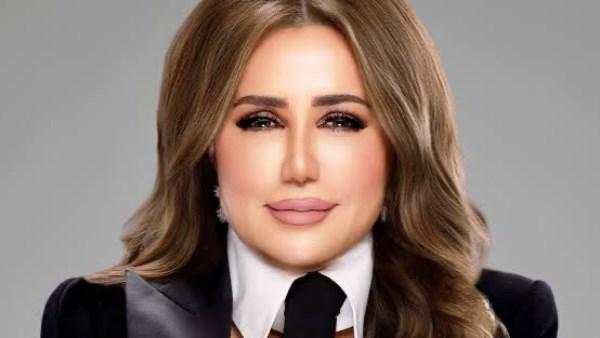
Media personality Abla Salama revealed why she chooses not to share photos or details of her private life, stressing that protecting her privacy has been a principle she has followed for years, even before the rise of social media.
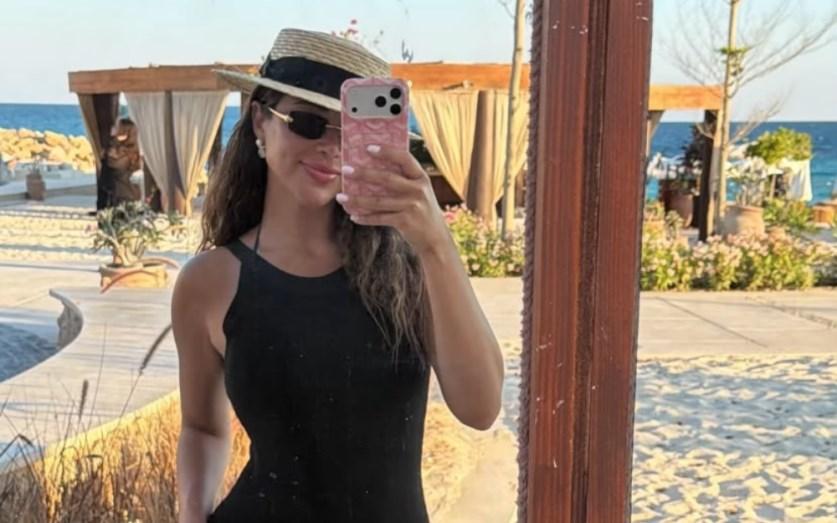
Actress Yara El Sokary shared new photos from her summer vacation by the sea, appearing in a black dress while enjoying a calm and relaxing atmosphere.
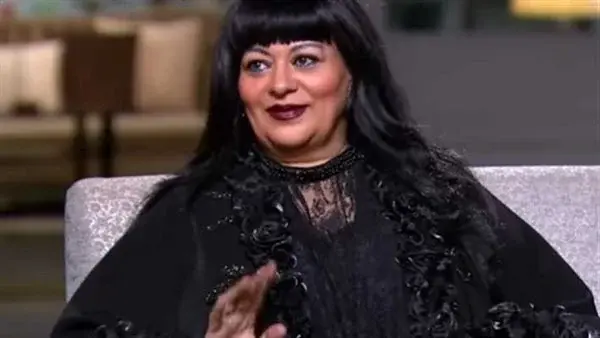
Farida Seif El Nasr has spoken openly about her decision to remove her hijab, saying she now believes it was a mistake, while also discussing her recent acting projects.
Sound engineer Hany Mahrous has revealed how the song “Satlana” went from early criticism to widespread popularity, highlighting the role of Al Ahly players’ celebrations.
