In a fiery phone interview, Egyptian Musicians' Syndicate President Mostafa Kamel laid bare the behind-the-scenes details of the bold decisions taken by the syndicate in recent hours. These include public warnings to several shaabi singers, strict directives concerning the appearance and content of musical festivals and concerts, and the first phone conversation he had with renowned singer Ragheb Alama following the temporary ban on his performances in Egypt.
Mostafa Kamel emphasized that the syndicate is fighting a real battle to preserve the essence and dignity of Egyptian music, refusing to allow vulgar phrases—such as “Eb‘at-haloh” and “Ed-dihalhom”—to dominate public performances. “If singers don’t stop using this kind of language, they will be immediately expelled from the syndicate,” he warned. “We will not let Egyptian music be shaken like this.”
He added, “I’m not just an artist sitting in the chair of the syndicate’s president—I see myself as responsible for the public’s cultural taste. This chair is as important as a ministerial post. If I stay silent about these violations, then I don’t deserve to be here.”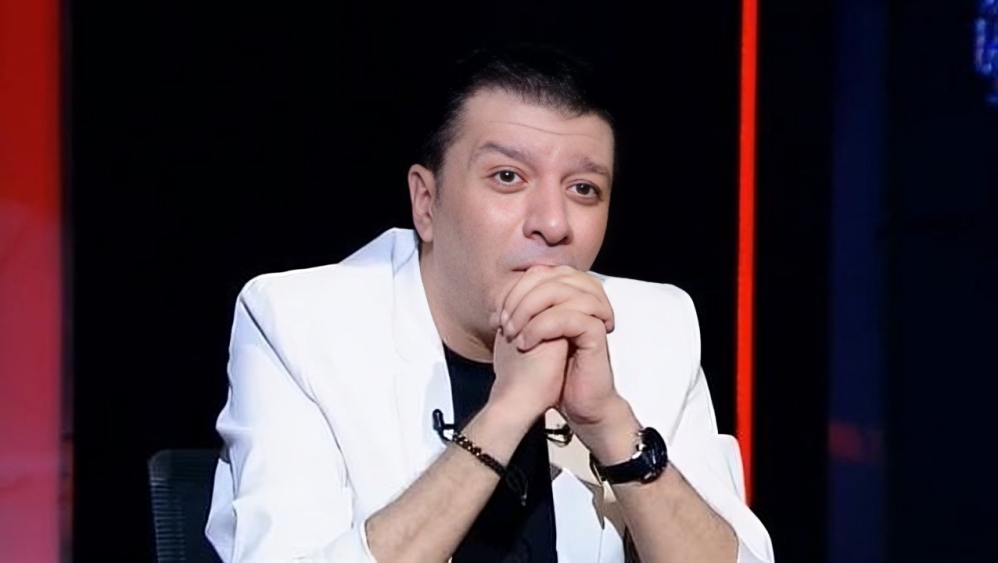 Addressing the incident involving Ragheb Alama, Kamel said that what occurred during one of the singer’s concerts—when some women went on stage and hugged him—was shocking to both the syndicate and the public. He revealed that Ragheb immediately called him to express full respect for the syndicate’s stance, clarifying that the situation was completely out of his control. “That phone call reflected class and mutual respect. I deeply appreciate that, especially given our long-standing relationship,” Kamel noted.
The syndicate president also announced plans to officially address the Ministry of Interior, urging stronger oversight by tourism police and event organizers to ensure the dignity of concert venues and their content. “What’s happening on some stages tarnishes Egypt’s artistic image globally,” he stated.
Kamel stressed that protecting the arts from moral decay and shallow content is a national duty. “Art is not just music and voice—it’s behavior and principle. We must restore its rightful place in Egypt’s history. Any singer performing inappropriate lyrics will be expelled—without hesitation.”
He concluded by reaffirming that the syndicate will not tolerate any breach in artistic conduct or content, and that the upcoming decisions will be even more decisive in preserving the authentic values that shaped Egyptian audiences for generations.