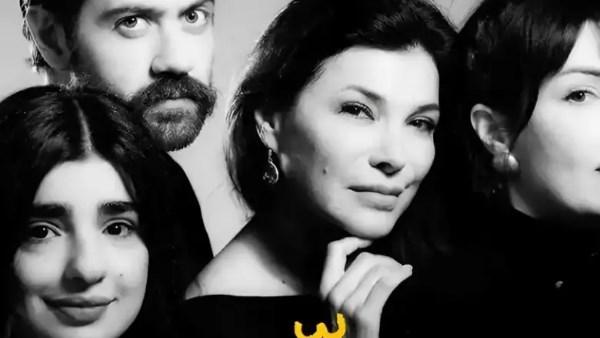

In a powerful artistic move filled with symbolism 🌿, Lebanese actress Nada Abou Farhat is preparing to return to the stage with her new theatrical production “Hanna,” set to premiere at Monnot Theatre in Beirut on April 23.
The play arrives at a time when Lebanon is facing significant social and economic challenges, making art and theatre more important than ever as a source of relief, expression, and emotional connection 🎭.
Nada Abou Farhat has long been known for choosing roles that reflect human and social realities, and she confirmed that “Hanna” was not an easy project to pursue, especially given the difficult circumstances surrounding its preparation.
Despite these challenges, the team remained committed, continuing rehearsals with determination and belief that theatre is not just entertainment—it is a space for life, expression, and cultural resilience ✨.
“Hanna” is a comedic drama with deep human undertones. The story revolves around an elderly woman aged between 70 and 80 who suffers a mysterious accident that leads to her hospitalization without any identification documents.
From this situation, a chain of events unfolds inside the hospital, involving characters such as a nurse, a nun, and an investigator, all attempting to uncover her identity 🎬.
As the narrative develops, the story evolves into a reflection of Lebanese society, subtly addressing themes of identity, belonging, and memory through humor and emotional storytelling.
The play blends comedy with emotional depth, allowing audiences to laugh while simultaneously reflecting on deeper social questions 🤍.
Nada Abou Farhat emphasized that theatre in Lebanon today is more than art—it is a social necessity, providing people with a collective space to breathe and process daily struggles.
She described “Hanna” as a mirror of societal pain, transformed into humor and humanity, allowing audiences to connect without emotional burden 🌟.
The production is also part of a broader movement within Lebanese theatre to keep live performance alive despite ongoing crises, with artists continuing to prioritize direct engagement with audiences.
Nada’s participation is seen as a strong contribution to this cultural resilience, as she has consistently been associated with meaningful, socially aware artistic projects.
Audiences are eagerly anticipating the performance, expecting a unique blend of humor and reflection that revives Beirut’s long-standing theatrical spirit 🎭.
Ultimately, “Hanna” stands as more than just a play—it is a message of hope, proving that even in difficult times, art can continue to inspire, heal, and bring people together.