
No Cameras at Naglaa Fathi’s Daughter’s Funeral Reception.. Family Makes Its Position Clear
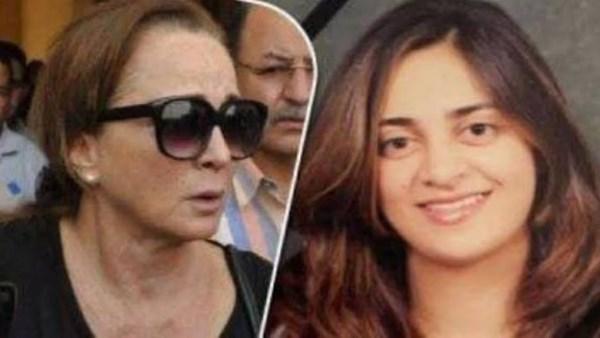
Attention has turned to the funeral reception for Yasmin Abu El-Naga, daughter of actress Naglaa Fathi, scheduled for Thursday, amid calls to respect the family’s privacy and refrain from photographing the ceremony. The decision came directly in response to the wishes of the deceased’s family, which preferred to keep these deeply personal moments away from cameras and media coverage.
Journalists Syndicate Bans Photography at the Reception
The Journalists Syndicate announced a ban on photography and press coverage during Yasmin Abu El-Naga’s funeral reception in response to her family’s request, stressing that the decision is intended to respect the feelings of the deceased’s relatives and preserve the privacy of the occasion.
The move follows controversy surrounding the coverage of the funeral ceremony and practices that the syndicate considered violations of the professional standards that should govern media coverage of funerals and other sensitive occasions.
The syndicate emphasized that coverage of such events should primarily be based on respect for the sanctity of death and the feelings of the family, away from any practices that could add to the distress of relatives during moments of grief.
Professional Guidelines for Funeral Coverage 📢
The syndicate stressed that professional guidelines govern media coverage of funerals, explaining that photographing funerals may be relevant when public figures are involved and the event has a public dimension that warrants documentation. However, this does not give photographers unrestricted access to approach grieving families or focus on moments of emotional breakdown and grief.
Professional coverage requires choosing appropriate photography angles that preserve the dignity of those attending, while also avoiding following family members and relatives in an attempt to obtain statements or photographs without their consent.
The syndicate also stressed that photography must stop immediately if any individual expresses a desire not to appear, considering respect for such a request an essential part of both professional and humane conduct in these circumstances.
Respecting the Sanctity of Graves and Burial Sites
The guidelines emphasized by the syndicate are not limited to interactions with the deceased’s family, but also address how journalists and photographers should behave around burial sites and graves during funeral coverage.
The syndicate stressed the need to stay away from burial areas and prohibited journalists and photographers from entering them, as part of preserving the sanctity of the location and respecting the deeply personal moment experienced by the deceased’s relatives.
It also called for avoiding selfies during funeral occasions and urged journalists and photographers to maintain appropriate appearance and behavior consistent with the nature of the event, particularly because funerals and mourning receptions are fundamentally different from artistic events, conferences, and other public occasions.
Funeral Receptions Are a Private Space for Families ⭐
The Journalists Syndicate confirmed that a funeral reception is primarily a private space for the deceased’s family, which has the right to determine who may attend and to request that photography be prohibited or participation be limited to specific individuals.
This becomes particularly important when public figures are involved, as funeral ceremonies can quickly attract significant media and public attention. This makes it essential to balance the public’s right to know with the family’s right to privacy.
In the case of Yasmin Abu El-Naga’s funeral reception, the family’s request regarding the prohibition of photography was clear, making it necessary to respect its wishes and avoid turning the occasion into a media event that could conflict with the private nature of the moment.
A Decision That Renews the Debate Over Media Ethics 🔥
The decision to prohibit photography at the funeral reception of Naglaa Fathi’s daughter once again raises questions about the boundaries between journalistic coverage and personal privacy, particularly during events carrying such a sensitive human dimension.
Journalism is not simply about reporting an event; it also involves choosing the appropriate way to present it while taking into consideration the feelings of people who may find themselves in extraordinary circumstances. During funerals in particular, respecting human dignity becomes a priority no less important than conveying information.
Journalists and photographers are expected to follow the guidelines announced by the syndicate during Yasmin Abu El-Naga’s funeral reception, in respect of her family’s wishes and the nature of the occasion.
Ultimately, respecting a family’s privacy during moments of loss remains both a humanitarian and professional responsibility, especially when the family has explicitly requested that no photographs be taken. ✨ Do you think banning photography at funeral receptions helps protect families’ privacy, or should the approach differ depending on whether public figures are involved? Share your opinion.