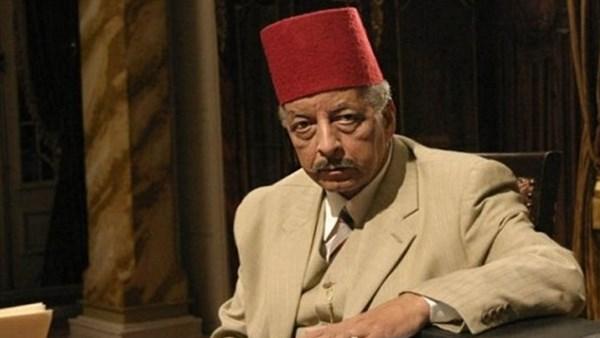

🎂 Khalil Morsi Was Born on September 21
September 21 marks the birthday of late Egyptian actor Khalil Morsi, who was born in 1946 and built a long artistic career across cinema, television and theater.
Morsi became known for his ability to bring different characters to life, despite often appearing in supporting roles rather than leading parts.
His performances covered a wide range of styles, including drama, comedy, historical productions and religious series.
Khalil Morsi passed away on August 5, 2014, at the age of 68, following a severe heart attack. His work, however, remains familiar to audiences through the many productions in which he appeared.
🎭 An Artistic Career Combined With Academia
Khalil Morsi’s career extended beyond acting, as he combined his work in the arts with an academic career in theater.
After studying agriculture, he pursued theater studies and continued his higher education, eventually earning a doctorate.
He later became head of the Theater Department at October 6 University, combining his professional experience as an actor with his academic background in theater.
Throughout his career, Morsi appeared in more than 160 productions, covering television, cinema and theater, in addition to his participation in a number of historical and religious works.
⭐ Khalil Morsi’s Notable Television Works
Morsi appeared in many well-known Egyptian television productions, including “I Will Not Live in My Father’s Robes,” “Abu Al-Ela Al-Bishry,” “Zizinya,” “Fares Bila Gawad,” “Hadret El Motaham Abi,” “Awlad El Akaber,” “El Gama’a,” and “Cleopatra.”
He also took part in a number of historical and religious series, including “The Fall of the Caliphate,” “Sadaq Waadahu,” “Imam Al-Shafi’i,” “Imam Al-Maraghi,” “Al-Tariq,” “Harun Al-Rashid,” and “Imam Al-Tabari.”
Among his later television appearances were productions such as “Khaybar,” “Al-Arraf,” “Bel Amr El Mobasher,” “Hafet El Ghadhab,” “Al Nar Wal Teen,” and “Abwab El Khawf.”
🎬 A Memorable Presence in Cinema
Khalil Morsi also built an extensive filmography, appearing in movies such as “Awkat Faragh,” “Hobak Nar,” “Mafia,” “El Sa7er,” “Balia we Demagho Alia,” “El Embratora,” “Aman El Dawla,” “Imra’a Hazzat Arsh Masr,” “Moghamma Fi Tel Aviv,” and “El Emperator.”
Although many of his cinematic appearances were supporting roles, he developed a recognizable screen presence and frequently added a distinctive dimension to the films in which he participated.
🎟️ Khalil Morsi and Egyptian Theater
Theater remained an important part of Khalil Morsi’s artistic and academic journey.
Among his notable theatrical works were “Seket El Salama,” “Dostour Ya Asiadna,” “Leabet El Set,” “Carmen,” and “Raqessa Qetaa Aam.”
His experience on stage allowed him to explore different characters and performance styles, while his academic background strengthened his connection to theater as both an art form and a field of study.
💬 What Was Khalil Morsi’s Final Request?
One of the notable aspects associated with Khalil Morsi’s views on the arts was his concern about the quality of artistic productions.
His final reported request was for stronger monitoring and oversight of artistic works, particularly what he described as contract cinema and low-quality or offensive films.
The request reflected another side of his relationship with the arts. His interest was not limited to acting, as he also expressed views about the quality of the productions being presented to audiences.
❤️ A Legacy Beyond Supporting Roles
Khalil Morsi remains remembered as an actor who was able to make an impression even when appearing in supporting roles.
His career moved across television, cinema and theater, while his academic work gave him another important connection to the world of performance and theatrical studies.
On the anniversary of his birth, his many characters and productions once again bring attention to an artistic career that extended across several genres and decades.
Conclusion
Khalil Morsi’s birthday on September 21 offers an opportunity to revisit the career of an actor and theater academic whose work extended across Egyptian cinema, television and stage productions.
From “I Will Not Live in My Father’s Robes” and “El Gama’a” to “Khaybar” and “Al-Arraf,” his performances remain part of the memory of Egyptian audiences.
His reported final request regarding stronger attention to the quality of artistic productions also remains one of the notable aspects associated with his legacy.
Which Khalil Morsi performance do you remember most? 🎭💬