On the Anniversary of His Passing: Ahmed Adaweya, the Voice of the Egyptian Street
The anniversary of Ahmed Adaweya’s passing marks the remembrance of one of the most influential voices in Egyptian popular music, an artist who reshaped the genre and gave the street its true musical expression.
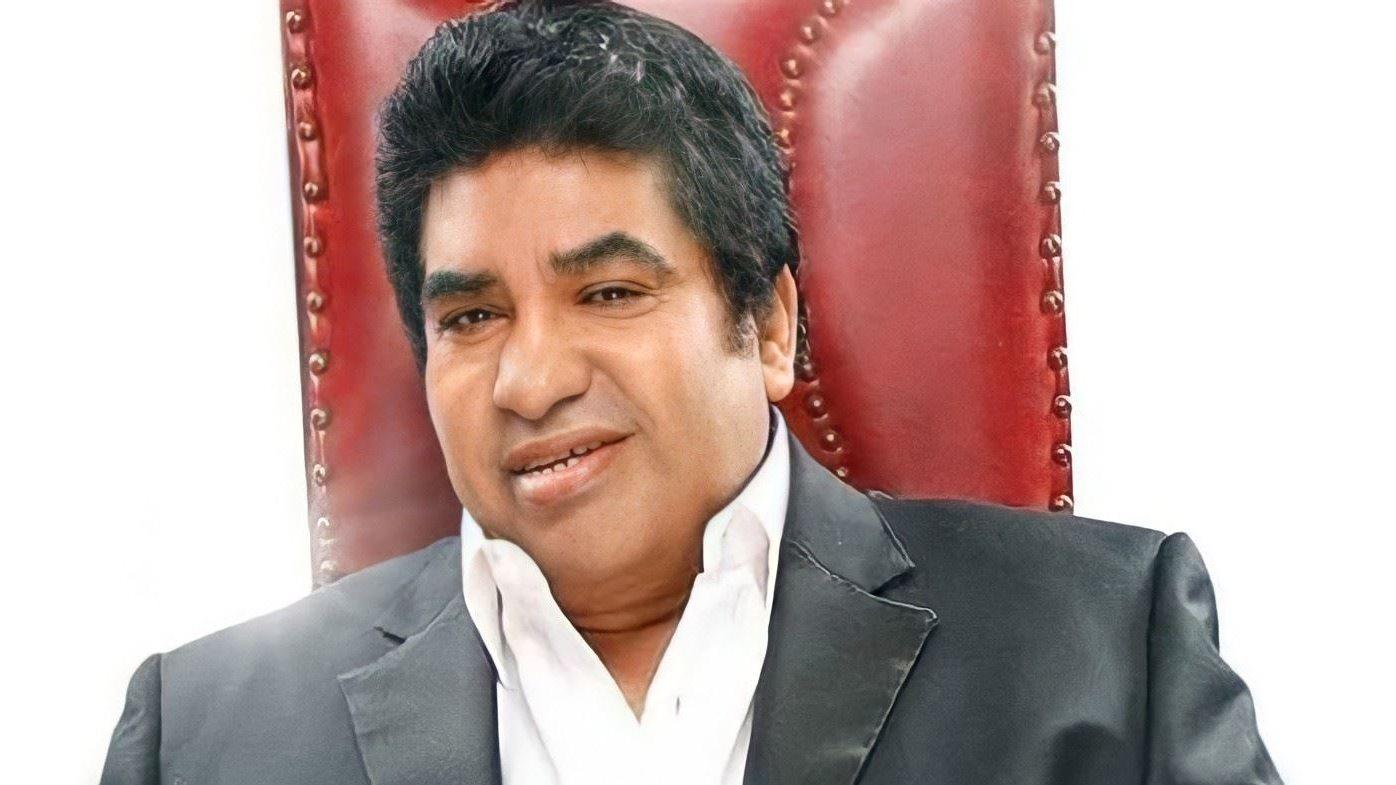

Today marks the anniversary of the passing of legendary singer Ahmed Adaweya, one of the most influential figures in Egyptian popular music. He was not merely a singer, but a cultural and social phenomenon who transformed street music into a powerful artistic voice that reflected everyday life with honesty and emotion.
Born Ahmed Mohamed Morsi El-Adawy on June 26, 1946, in Minya Governorate, he grew up in a large, modest family of 14 siblings. Immersed in authentic popular culture from a young age, he absorbed folk poetry and traditional storytelling, revealing an early and remarkable vocal talent.
Adaweya began singing at village weddings before moving to Cairo in the late 1960s, launching his career from Mohamed Ali Street, the heart of popular music at the time. His breakthrough came in 1972, when he performed at a private celebration attended by artists and journalists, leading to his first professional contracts.
With the release of “El-Sah El-Dah Embo” and “Bent El-Sultan,” his popularity exploded. His unique style, rooted in street language and raw emotion, sparked controversy but resonated deeply with the public. Despite early bans and criticism, his music spread rapidly through cassette tapes and public spaces.
During the 1970s, Ahmed Adaweya became the undisputed star of popular music, with hits such as “Zahma Ya Donia Zahma,” “Salametha Om Hassan,” “Seeb W Ana Aseeb,” and “Rahou El-Habayeb,” achieving record-breaking sales.
His influence extended to cinema, appearing in more than 27 films, often blending comedy and music. However, a serious accident in the mid-1980s forced him into a long absence from the spotlight.
In the 2000s, Adaweya gradually returned, culminating in a successful comeback with “El-Nas El-Ray’a” in 2010. He later collaborated with his son Mohamed Adaweya, reinforcing his lasting legacy.
After years of health struggles and personal loss, Ahmed Adaweya passed away on December 29, 2024, at the age of 79, leaving behind an immense artistic legacy.
Today, his songs continue to echo in streets, cafés, and celebrations, standing as timeless testimony to an artist who changed Egyptian popular music forever.

Newcastle United have reached an agreement with Benfica to sign Bosnian defender Amar Dedic for around £29.5 million, plus additional add-ons.
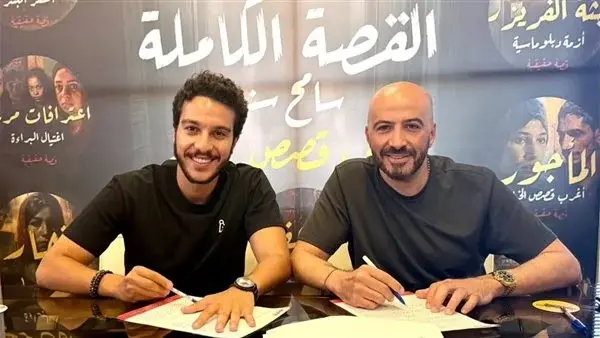
Noor El Nabawy is preparing to begin filming “Gannet Iblis,” one of the stories in “The Full Story” series, alongside Bassem Samra, Faten Saeed and Fadwa Abed.

Fans of “Love on Paper” are eagerly awaiting Episode 47 after the shocking ending of Episode 46, which left Lin and Aws trapped after part of Abdul Ghani’s house collapsed on them.

Yousra returns to Egyptian cinemas with “El Set Lamma” on August 19, portraying a new character in a social drama exploring the relationship between men and women
