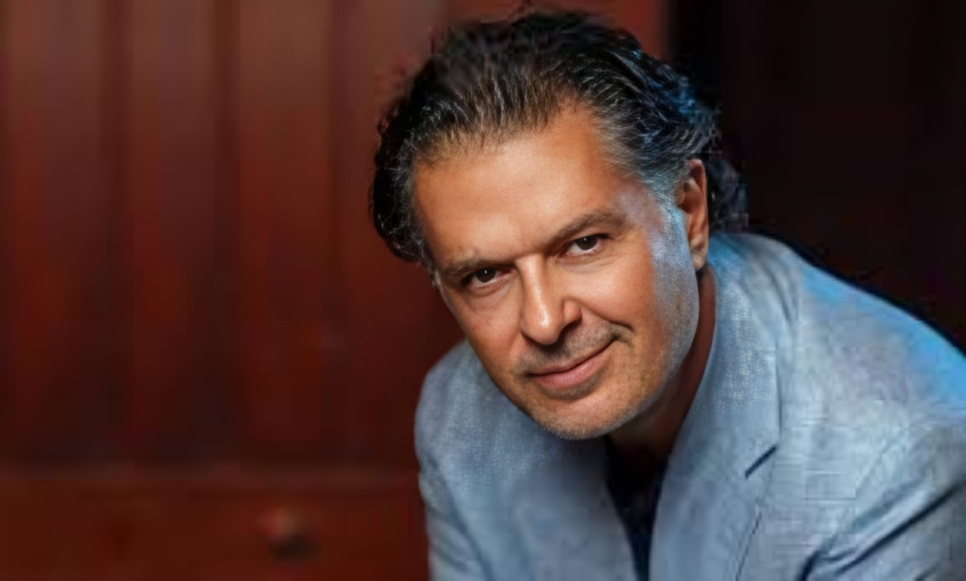

Lebanese singer Ragheb Alama made a clear statement regarding the postponement of his upcoming concert in Egypt, which was originally scheduled for August 2, denying any connection between the decision and the recent controversy or the temporary ban on him performing in the country.
Ragheb explained that the concert was sold out, with all tickets purchased, reflecting the strong demand from his Egyptian fans, whom he deeply values. He revealed that the true reason behind the postponement was that the hotel set to host the event had a major opening scheduled for the same date, which required rescheduling. He expressed complete understanding, stating that he didn’t want the concert to clash with any other commitments, emphasizing that proper organization and the audience’s comfort are top priorities for him. He added that he is looking forward to announcing the new date for the Egypt concert as soon as all arrangements are finalized.
In another context, Ragheb Alama spoke about his artistic idol, the late “Dark-Skinned Nightingale” Abdel Halim Hafez, noting that he still considers him a role model in the music industry even decades after his passing. Ragheb recalled being fortunate enough to watch Hafez up close while filming his iconic movie My Father Above the Tree with the late actress Nadia Lutfi in Lebanon. He said this encounter left a lasting impression on him and made him appreciate the greatness of an artist who remains etched in the hearts of audiences to this day.
Ragheb added that Abdel Halim Hafez was very open when it came to performing his artistic roles and never feared enacting emotionally intimate scenes with the leading lady. This, he said, reflected the audience’s understanding at the time of the nature and value of art. He confirmed that Hafez remained a symbol of authenticity and creativity and is still, to this day, a true icon and a complete artistic school from which many stars have learned.
Ragheb referenced this story to justify his stance on the criticism he recently faced after an unplanned moment at his latest concert in Egypt’s North Coast, when a fan kissed him on stage. He clarified that the moment was spontaneous and entirely unplanned, stressing that he attached no further meaning to it and that it was nothing more than a fleeting situation.
He concluded by saying:
“I am one of the biggest admirers of Abdel Halim Hafez, and he remains our artistic icon and the inspiration of generations. We learned from him to be open in our performance and to respect the audience. I promise my Egyptian fans that the postponed concert will take place soon in a unique atmosphere, as I have always accustomed them to.”