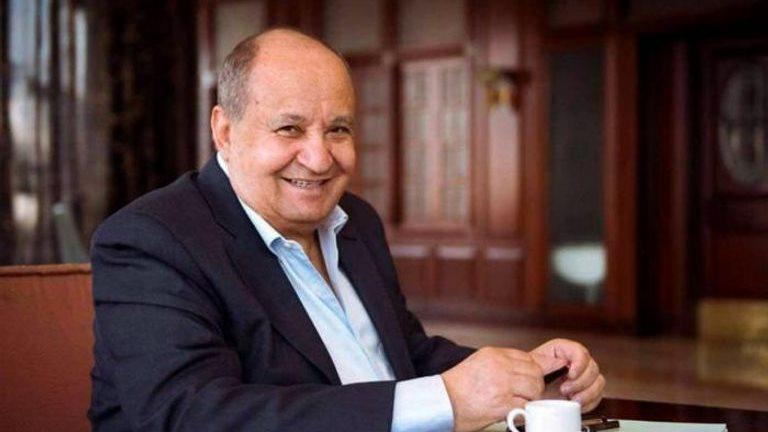

✨ Legendary writer Wahid Hamed left a monumental legacy in cinema and television, blending courage with social and political truth.
Born in 1944 in Al-Sharqia, Egypt, Hamed moved to Cairo to begin a writing journey that shaped collective awareness through iconic works like: The Dancer and the Politician, Terrorism and Kebab, The Forgotten, Birds of Darkness, Blood of the Gazelle, and The Group.
💡 His art focused on the common man, revealing societal and political oppression, and opening silent files no one dared to touch. Among these works stands his most controversial film: "The Innocent" (1986), directed by Atif Al-Tayeb and starring Ahmed Zaki.
The film tells the story of a simple village man imprisoned and unknowingly trapped in a system of oppression. 🕊️ Its original ending faced censorship issues, as Hamed believed it carried the deepest moral and philosophical message—highlighting awareness and ignorance before politics.
🎯 Hamed said about the film:
"The most dangerous type of oppression is that carried out by people who think they are performing a national duty."
💔 Despite the altered ending during its first release, the complete version was later restored in special screenings, preserving the message Hamed intended: stimulating thought, confronting oppression, and understanding the true human behind every unjust power.
🌟 The Innocent is more than a film—it is a continuous call for social reflection, exploring the impact of awareness in resisting injustice, and remains the closest work to Wahid Hamed’s heart.