Reviving Arabic Rhetoric: A Modern Reinterpretation of Classical Eloquence in the Age of Globalization
“Reviving Arabic Rhetoric: An Integrated and Modern Approach” offers a contemporary rethinking of classical Arabic rhetorical sciences by integrating traditional linguistic heritage with modern discourse analysis, aiming to reconstruct rhetorical theory within today’s global intellectual context.

The recently published book “Reviving Arabic Rhetoric: An Integrated and Modern Approach” by Dr. Abdel Hakim El-Abd presents a bold intellectual project that seeks to reconstruct Arabic rhetoric as a dynamic and evolving system rather than a static classical discipline 📚🌍.
The author argues that Arabic rhetoric, despite its rich classical foundation, requires methodological renewal to align with modern linguistics and discourse theory. He proposes a new structural division of rhetoric into four main domains: metaphor (majaz), expression (bayan), meaning (ma’ani), and embellishment (badi’), while positioning metaphor as an independent field of study—a significant theoretical shift in rhetorical classification.
A key contribution of the book is the expansion of the classical “Theory of Nazm” originally developed by Al-Jurjani. The author transforms it into a multi-layered analytical framework based on structured linguistic categories, including semantic relations, textual coherence patterns, imagery systems, and rhythmic organization, thereby linking classical rhetoric with contemporary text linguistics and stylistics ✍️📊.
The book also revisits foundational concepts such as truth and metaphor, offering a refined classification system for metaphorical usage rooted in both classical Arabic scholarship and modern philosophical-linguistic approaches. It draws inspiration from early Arab linguists such as Al-Khalil ibn Ahmad, while integrating modern analytical perspectives.
Another innovative concept introduced is the “levels of temporal meaning in Arabic language,” which serves as a tool for analyzing how time functions in linguistic structures and discourse contexts, particularly in educational and communicative applications.
Beyond theory, the book includes applied analytical sections that examine both classical and modern Arabic texts. These sections demonstrate how rhetorical components interact within texts to generate meaning, coherence, and aesthetic effect, offering readers a practical framework for rhetorical analysis.
Ultimately, the book positions Arabic rhetoric at the intersection of tradition and modernity, aiming to restore its relevance within contemporary critical studies and integrate it into modern educational and linguistic frameworks 🎓✨.

Egyptian actress Dalia El Behery shared new photos from her summer vacation on Instagram, showcasing a relaxed casual look while enjoying peaceful moments by the pool alongside her beloved dog.

Egyptian star Mohamed Ramadan congratulated high school students after the announcement of their exam results with a humorous Instagram post, writing: “Congratulations to all my beloved high school students… You're finally free!”
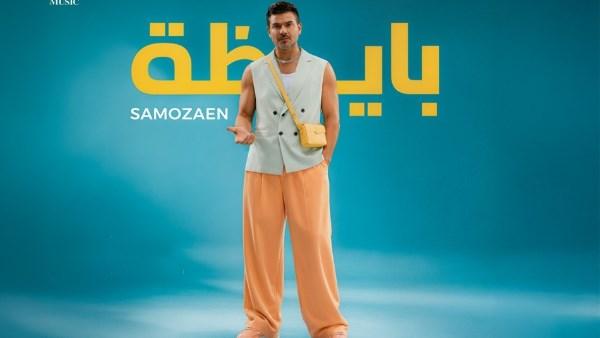
Singer Samo Zaen has officially released “Bayza”, the first track from his upcoming mini album “Aishny”, accompanied by a visually innovative music video featuring AI-powered effects and advanced VFX technology.
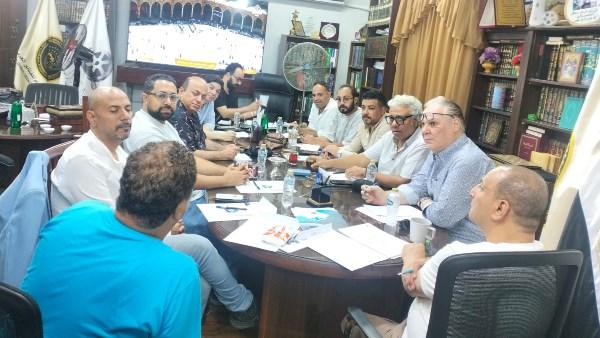
Leaders and representatives of Egypt's leading film festivals have agreed to establish the Egyptian Film Festivals Union, a new initiative aimed at strengthening cooperation, exchanging expertise, and supporting the country's film festivals under the umbrella of the Cinema Professions Syndicate.
