
Rima Rahbani Breaks Her Silence
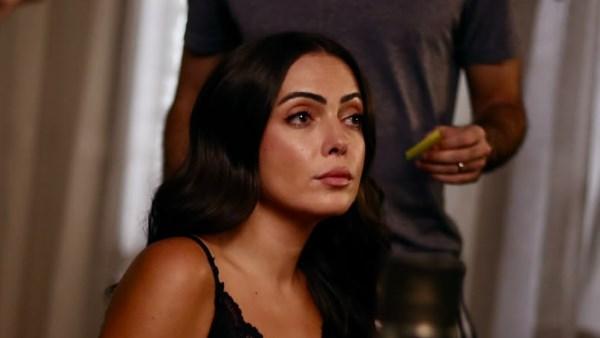
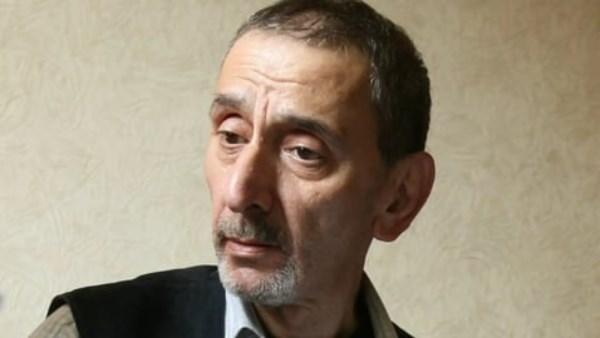
Lebanese director Rima Rahbani returned to the spotlight with a lengthy Facebook post addressing what she described as attempts to interfere with or reshape the artistic legacy of her late brother, Ziad Rahbani.
🔥 The message began with a sarcastic tone before moving into direct criticism of a person whose name she did not explicitly mention.
Rima argued that Ziad’s contribution to the artistic projects associated with him was much broader than simply providing music.
She emphasized his involvement in music, theater, cinema and other creative aspects, arguing that his artistic role should be presented in its full context.
Who Was Rima Addressing?
Rima did not explicitly identify the person she was addressing.
⚠️ Some social media users and entertainment outlets have speculated that she was referring to musician Osama Rahbani, but this remains an interpretation rather than a direct identification by Rima herself.
The central issue in her message, however, was broader than the identity of the person involved.
It focused on how Ziad Rahbani’s work and artistic legacy should be represented and protected.
“Sa’alouni El Nas” at the Center of the Debate
One of the most discussed parts of Rima’s message involved the iconic song “Sa’alouni El Nas,” performed by her mother, legendary singer Fairouz.
🎵 The song holds a special place in Ziad Rahbani’s artistic history because it was reportedly the first melody he composed for his mother when he was only 14 years old.
The song later became one of Fairouz’s most recognizable works and an important milestone in Ziad’s development as a composer.
Its emotional context was also connected to the absence of Ziad’s father, composer and playwright Assi Rahbani, from the stage due to illness.
Why Did Rima Object to Changes?
In her message, Rima raised concerns about changes and reinterpretations involving artistic works connected to her family.
⚖️ She emphasized the importance of obtaining appropriate permissions before modifying, using or presenting copyrighted works in new forms.
She also discussed the circulation of versions of the works through markets and digital platforms and called for the removal of material she considered unauthorized.
The issue therefore extends beyond artistic disagreement into a broader discussion about copyright, ownership and the protection of cultural heritage.
Artistic Criticism Alongside Copyright Concerns
Rima’s message was not limited to legal or ownership issues.
🎭 She also criticized certain performances, arrangements and reinterpretations, arguing that some versions did not reflect the artistic quality of the original works.
Her language became particularly sharp when discussing what she viewed as attempts to imitate or reproduce elements of the Rahbani artistic style.
For Rima, protecting Ziad’s legacy means more than preserving ownership rights. It also means preserving the historical and artistic context in which his works were created.
Ziad Rahbani Was More Than a Musician
A major theme in Rima’s message was the importance of viewing Ziad Rahbani as a complete artist rather than simply a composer.
🎬 Ziad became known for his work across music, theater and cinema, developing a distinctive artistic language that combined satire, social commentary and everyday Lebanese expression.
His theatrical works, including “Bennesbe La Bokra Chou?” and “Film Ameriki Tawil,” helped establish his reputation as an influential figure in modern Lebanese theater.
His work represented a major departure from conventional artistic structures and gave his generation a new way of approaching political and social themes.
The Rahbani Legacy
Rima’s defense of Ziad is also connected to the larger artistic history of the Rahbani family.
The names of Assi Rahbani, Fairouz and Ziad Rahbani are deeply connected to the development of Lebanese music and theater.
🎼 Each generation added a different dimension to the family’s artistic identity.
Assi and Mansour Rahbani shaped a major chapter in Arab musical theater, while Fairouz became one of the most influential voices in the Arab world.
Ziad later developed his own distinctive artistic language.
This history helps explain why questions surrounding the use and reinterpretation of Rahbani works attract such intense public attention.
Rima Rahbani Says Silence Is No Longer an Option
Rima also reflected on her personal decision to speak publicly.
She indicated that she had spent years avoiding the spotlight and staying away from direct confrontations.
🔥 However, she felt compelled to respond when she believed that matters involving Ziad’s artistic legacy required her intervention.
Her latest message therefore represents a continuation of her long-standing position regarding the protection of her family’s artistic heritage.
From Anger to Childhood Memories
Despite the anger expressed throughout much of the post, Rima eventually shifted toward a deeply personal tone.
❤️ She recalled childhood memories with Ziad and described the closeness that existed between them from an early age.
She acknowledged that the siblings experienced disagreements over the years, but emphasized that these conflicts did not erase the affection between them.
This personal section gave the message another dimension, showing that her defense of Ziad is not simply about artistic rights or family heritage.
It is also about the memory of a brother she loved and lost.
Why Is Ziad Rahbani’s Legacy Still Being Debated?
The renewed controversy comes at a time when Ziad Rahbani’s work continues to attract attention from new generations.
📱 Digital platforms have made it easier than ever to redistribute, reinterpret and republish older artistic works.
This has also made questions about copyright and authorization increasingly important.
A song or performance that once circulated through traditional media can now reach millions through social media and streaming platforms within hours.
For families protecting artistic legacies, this creates new challenges concerning how works are used and presented.
“Sa’alouni El Nas” Still Resonates
Decades after its release, “Sa’alouni El Nas” remains one of Fairouz’s most recognizable songs.
🎵 Its importance extends beyond its popularity.
The song represents an important early milestone in Ziad Rahbani’s career as a composer and reflects the artistic connection between Fairouz, Ziad and the broader Rahbani tradition.
Its history gives it a special sensitivity whenever questions arise about reinterpretation or modification.
A Bigger Conversation About Artistic Heritage
Rima Rahbani’s latest message ultimately raises a broader question:
How should the artistic legacy of major creators be protected after their death?
Is copyright protection enough, or should the artistic context and original identity of a work also be preserved?
And when older songs and plays are reintroduced to younger audiences, does reinterpretation help keep the heritage alive, or can it sometimes alter its original identity?
❓ These questions have become increasingly relevant in the digital era.
As Rima continues to defend her brother’s legacy, Ziad Rahbani’s music and theater remain part of the Arab cultural landscape, while the wider Rahbani artistic heritage continues to inspire both admiration and debate.