
🎤 Semsem Shehab Discusses Mahraganat and Egyptian Shaabi Music
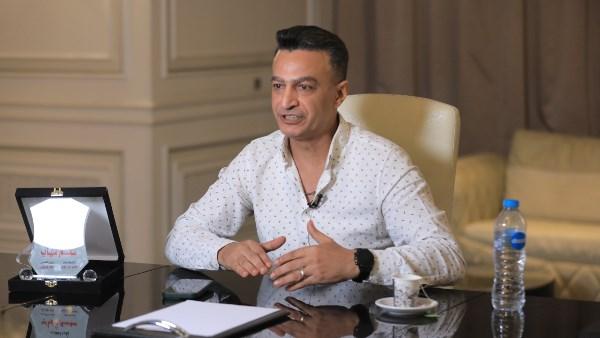
Egyptian singer Semsem Shehab has sparked renewed discussion about the current state of Egyptian popular music after sharing his views on mahraganat, traditional shaabi music, the influence of songs on society, and the responsibility artists carry toward their audiences.
During a recent discussion, Shehab emphasized that his comments were based on his professional experience in music and were not intended as criticism of people's personal musical preferences.
🎶 What Makes a Shaabi Song Different?
Shehab explained that traditional songs generally contain clear musical elements, beginning with an instrumental introduction and relying on recognizable structures involving melody, arrangement and live instrumentation.
He argued that these characteristics distinguish traditional shaabi music from many modern mahraganat productions.
At the same time, he stressed that he was not criticizing every performer in the genre, acknowledging that some mahraganat singers have strong voices and genuine musical abilities.
🪗 Protecting Traditional Musical Instruments
One of the main issues raised by Shehab was the future of traditional instruments and professional musicians.
He specifically highlighted instruments such as the accordion, violin and ney, stressing the importance of preserving them as part of Egypt's musical heritage.
For Shehab, modernization should not necessarily mean abandoning traditional instruments. Instead, he believes contemporary music can develop while maintaining important elements of Egyptian musical identity. 🎼
🇪🇬 Shaabi Music as the Voice of Society
Shehab also discussed what he considers the true role of Egyptian shaabi music.
According to his perspective, a genuine shaabi singer should remain connected to ordinary people and reflect their daily lives, concerns and social issues.
He questioned whether some of today's popular songs continue to address the issues affecting Egyptian society in the same way traditional popular music once did.
📱 The Influence of Music on Young Audiences
The singer also focused on the growing influence of music in everyday life.
Songs are now constantly heard through cars, transportation, weddings, streets, social media platforms and digital videos.
This constant exposure, he argued, means that artists have a responsibility to consider the messages and ideas contained in their work.
✨ Entertainment and Social Responsibility
For Shehab, an artist's responsibility extends beyond simply producing songs.
Public figures are constantly watched by their audiences, particularly younger generations, which makes personal behavior and public image important parts of an artist's relationship with society.
He emphasized that entertainment and responsibility can coexist, and that an artist can connect with audiences while maintaining respect for the public and family.
🎵 The Historical Role of Egyptian National Songs
Shehab also referred to the importance of Egyptian patriotic music, particularly during major historical periods between 1956 and 1973.
He argued that national songs played an important role in boosting morale and strengthening feelings of belonging.
From his perspective, this history demonstrates that music can serve a broader social and cultural purpose beyond entertainment.
🌙 His Comments on Nightclubs and Amr Diab
Shehab also addressed the issue of singers working in nightlife venues, explaining that such places were part of the early careers of several Egyptian performers.
He referred to Amr Diab, noting that the superstar also performed in weddings and nightclubs during the early stages of his career before achieving his later level of fame.
The point, according to Shehab's argument, is that an artist's entire career should be considered rather than judging their professional journey based on a single stage.
💬 “Judge Me by What I Do”
Shehab further explained that weddings and live performances provide employment for entire teams of musicians and workers.
He stressed that his artistic work is also connected to the livelihoods of people who depend on performances and musical events.
He ultimately called on audiences to judge him through his actions and artistic output rather than assumptions about aspects of his private life.
🎤 “Ana El Ares” and His Recent Activity
Shehab's comments come as he continues his artistic activity, including his recent song “Ana El Ares”, which he performed during a recent media appearance while discussing his career and his approach to balancing emotional and celebratory songs.
📌 Ultimately, Semsem Shehab's statements have expanded the discussion beyond a simple comparison between mahraganat and shaabi music.
His comments raise broader questions about musical identity, cultural heritage, the future of traditional instruments, the influence of songs on society and the responsibility of artists in the digital age.