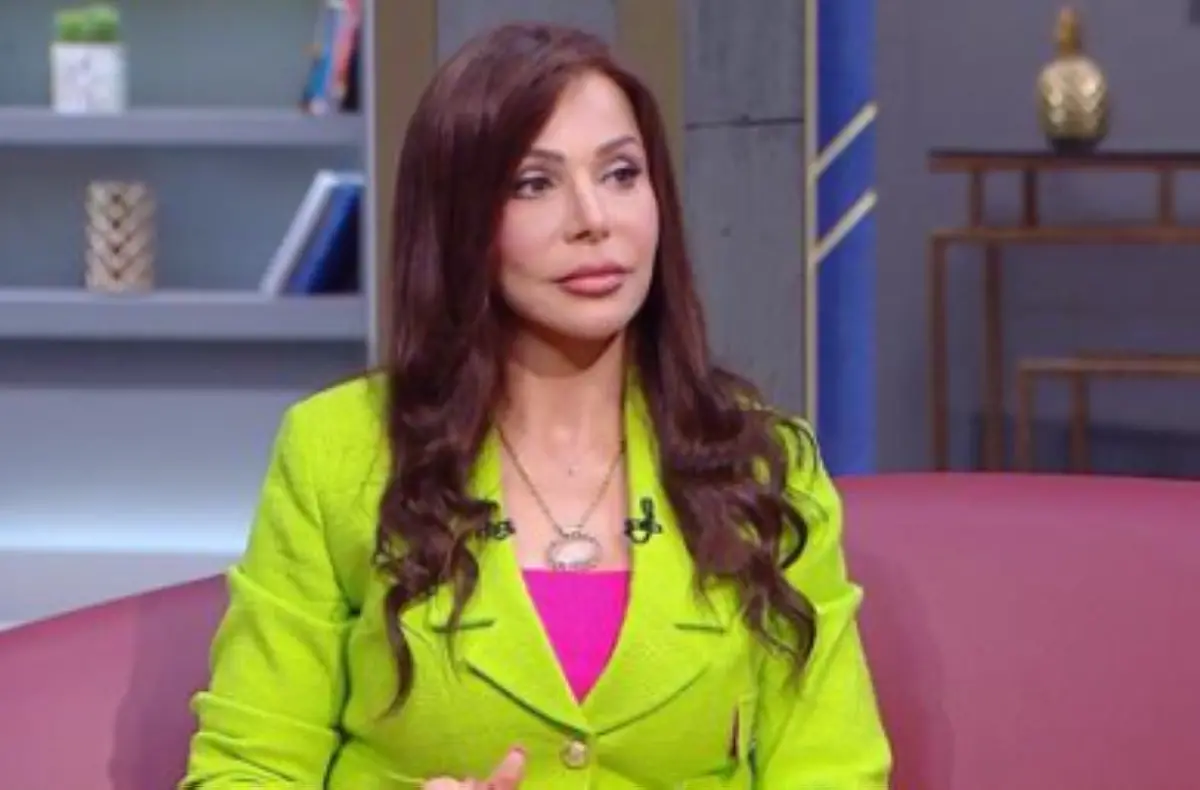

Sosan Nagm El Din Discusses “Sola” and Why She Accepted the Role 🎬✨
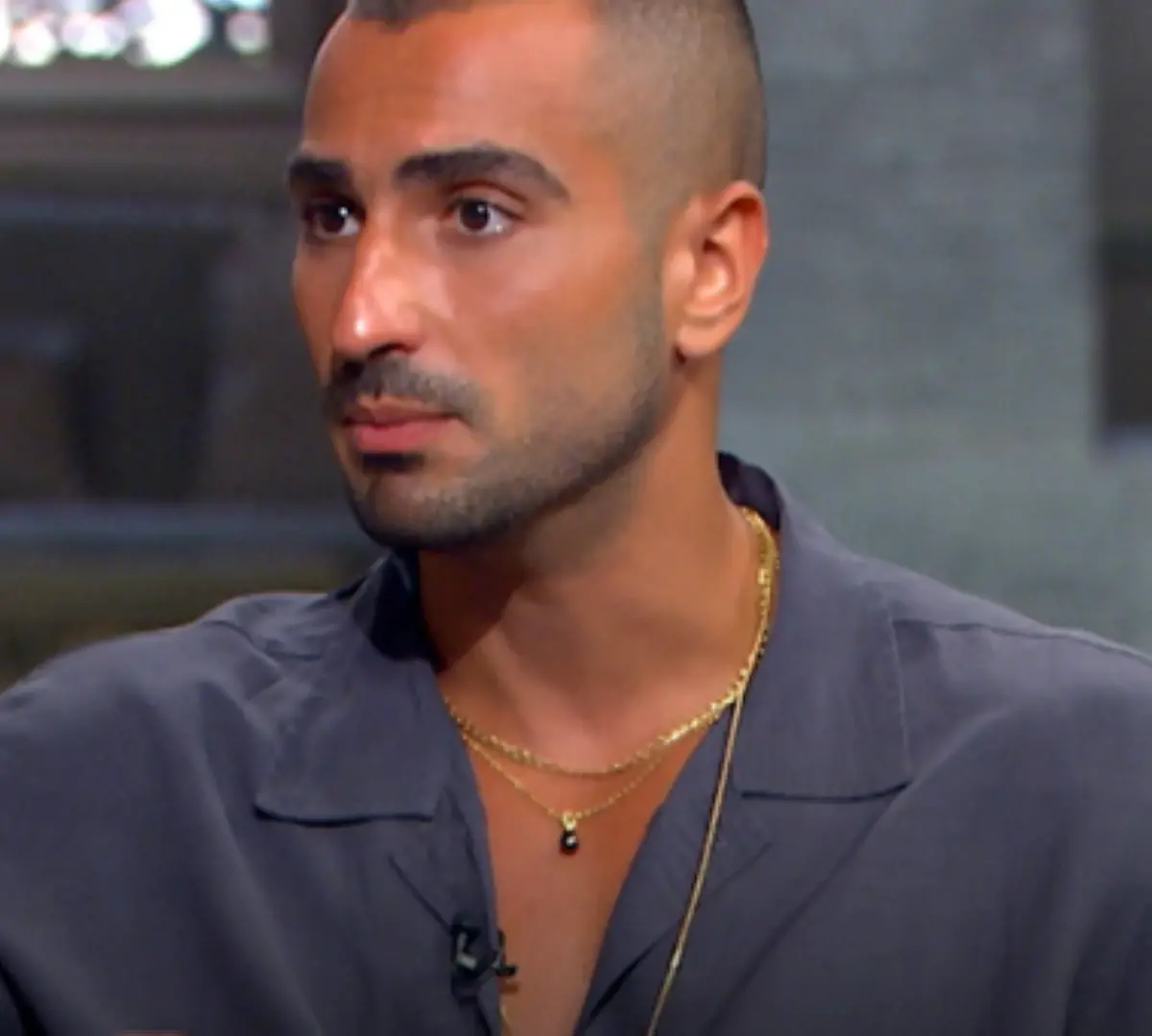
Actress Sosan Nagm El Din has spoken about her experience portraying “Sola,” the mother of actor Hamada Helal in the series “Ibn Asool,” explaining that her decision to take the role was not based on the age difference or whether her appearance perfectly matched the character’s circumstances.
Instead, her main focus was on the dramatic content of the project and the family issues explored through the character.
During a telephone interview with presenter Nehad Tayel on the program “Tafaseel,” broadcast on Sada El Balad 2, Sosan explained that she was immediately drawn to “Sola” when she first read the script because she recognized aspects of the character in many Arab households.
The actress approached the role as a layered dramatic character rather than a conventional mother figure. Her relationship with her son was presented through a more complex form of emotional attachment, giving Sosan an opportunity to explore a social and human issue capable of generating discussion beyond the events of the series itself.
“Age or Appearance Doesn’t Concern Me”.. Sosan’s Approach to Roles ⭐
Sosan Nagm El Din emphasized that the difference in age or physical appearance was not among the factors that concerned her when deciding whether to take part in the series.
Her main criterion was the strength of the character and what the role could contribute artistically.
The actress believes performers should not approach roles through appearance alone, because acting ultimately depends on the ability to enter the world of a character and understand its motives, psychological layers and social circumstances.
From that perspective, Sosan did not view playing Hamada Helal’s mother as a physical or visual challenge. Instead, she treated it as an acting challenge, particularly because the character required conflicting emotions involving love, fear, protection and control.
This approach allows performers to engage more deeply with complex characters because it places dramatic substance ahead of concerns related to age and outward appearance.
“Sola”.. A Mother Beyond the Traditional Image ❤️
Sosan Nagm El Din explained that what attracted her most to “Sola” was the fact that the character reflects details found in many Arab families, particularly in the relationship between mothers and their children.
The mother in this story is not presented only as a source of love and protection. The character also explores the other side of intense emotion, when excessive protection develops into deep attachment or emotional possessiveness.
That dramatic territory gives the character greater depth because it avoids placing the mother into a simple category of either absolute goodness or absolute wrongdoing. Instead, she is portrayed as someone driven by real feelings but capable of expressing them in an unhealthy or unbalanced way.
Characters of this type give actors considerable room for emotional expression because the conflict does not exist only in the events around them. It also exists inside the character herself, between what she wants and what she believes is best for her son.
The Mother-Son Relationship.. A Story That Resonates with Many Families 📢
Sosan believes the series approached one of the more sensitive family relationships: the bond between a mother and her son, particularly when emotional attachment becomes so intense that one person’s feelings begin to affect the other’s independence.
This is a subject capable of generating broad discussion because relationships between mothers and children vary from one family to another. They can be deeply warm and supportive, yet in some circumstances emotional closeness may cross into unhealthy levels of dependence or control.
That is what makes “Sola” an interesting dramatic character. She creates room to explore the difference between love and attachment, and between care and control. These concepts may appear similar at first but can become very different when emotions begin to dictate another person’s choices.
Why Did the Character Appeal to Sosan Nagm El Din? 🔥
The main reason for Sosan’s enthusiasm appears to have been the presence of a real human issue behind the character rather than simply the fact that she was the protagonist’s mother.
“Sola” carries several conflicting emotions. Through her, the actress could portray a mother with fears, needs and vulnerabilities while also showing the powerful influence she has over her son’s life.
Roles like this often provide actors with valuable opportunities to demonstrate their abilities because the character is not built around one fixed trait. Instead, her behavior and emotions shift according to the situation and the conflict she faces.
The fact that the character is rooted in a family relationship close to real life also makes her easier for audiences to connect with, because viewers may recognize aspects of similar experiences in their own families or in the people around them.
Family Drama Explores Difficult Questions 🎭
Family relationships have always offered rich material for drama because they touch everyday life more directly than distant or purely fictional conflicts.
Stories about parents and children can generate discussion precisely because they raise questions that rarely have one simple answer. When does care become interference? When does love become pressure? Can a mother’s fear for her son eventually restrict his choices?
These questions make dramatic characters more engaging because they do not present a single perspective. Instead, they encourage viewers to examine motivations and judge the characters from different points of view.
Sosan Nagm El Din’s experience with “Sola” appears to rely on exactly this kind of territory, where drama, emotion and social questions intersect.
Performance Over Appearance.. A Clear Artistic Philosophy ⭐
One of the strongest messages in Sosan Nagm El Din’s comments is her belief that the value of a role matters more than the character’s age or outward appearance.
Such an approach gives actors greater freedom when choosing characters because it allows them to explore different roles without being restricted by stereotypes associated with specific age groups.
In drama, an actor’s ability to make a character believable can ultimately matter more than whether the performer fits a conventional visual expectation, especially when the role is emotionally detailed and built around conflicting motivations.
That is why Sosan did not see playing the mother of an adult son as a barrier. She focused instead on what the character could contribute to the story and the artistic space it gave her as a performer.
“Ibn Asool” and a Character That Continues to Resonate ✨
The “Ibn Asool” experience, through the character of “Sola,” demonstrates how family relationships can become powerful dramatic material when a story moves away from idealized images of the family and explores more complicated emotional realities.
For Sosan Nagm El Din, the role offered an opportunity to enter a performance space built around conflicting feelings, where love itself can become part of the problem and the desire to protect a child can create even greater complications within the relationship.
That is also what gives certain characters lasting impact. They do not allow audiences to classify them easily. Instead, they encourage viewers to think about their motives, understand their behavior or challenge their choices.
Sosan Nagm El Din Puts the Story Before Appearance ❤️
Sosan Nagm El Din’s comments about “Sola” reinforce the idea that what attracts her to certain roles is their ability to explore meaningful issues and present characters with genuine human dimensions rather than simply their appearance or position within the plot.
Through her explanation, the character appears to have been a rewarding experience because it reflects a relationship found in many families and raises questions about the boundaries between love, attachment and interference.
Ultimately, a dramatic character succeeds when audiences feel that she is real and emotionally believable. Sosan’s approach to “Sola” focuses on exactly that by exploring her motivations, emotions and complicated relationship with her son.
Do you think a mother’s love for her son can sometimes become attachment or control without her realizing it? And should an actor choose a role primarily because of the strength of the character rather than age and appearance? Share your opinion with us.