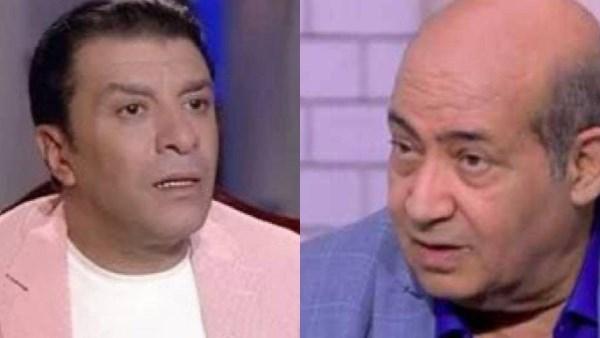

A major controversy recently erupted between Egyptian art critic Tarek El-Shenawy and singer Mostafa Kamel, head of the Musicians Syndicate, after a critical comment about Kamel’s singing performance developed into a public dispute.
The disagreement eventually came to an end through a reconciliation meeting held at the Egyptian Journalists Syndicate. However, while the personal and legal dispute has been resolved, El-Shenawy made it clear that his artistic opinion has not changed. 🎤
🎭 How did the dispute begin?
The controversy started after videos circulated from one of Mostafa Kamel’s concerts during the summer of 2026, showing him performing several of his songs.
El-Shenawy criticized the performance and described Kamel’s voice as “off-key,” a statement that quickly generated widespread debate.
The comment led to an exchange of statements between the two sides, with Kamel objecting to what he considered a personal offense, while El-Shenawy insisted that his remarks were strictly related to artistic performance.
🎙️ El-Shenawy refuses to change his opinion
Following the reconciliation, El-Shenawy explained that he had never considered himself personally at odds with Mostafa Kamel.
He stressed that his comments were made in his capacity as an art critic and were directed toward the singer’s performance rather than his personal character.
Most importantly, El-Shenawy confirmed that reconciliation does not require him to abandon his artistic judgment.
He continues to believe that describing the singing performance as “off-key” falls within the boundaries of artistic criticism.
🤝 Reconciliation at the Journalists Syndicate
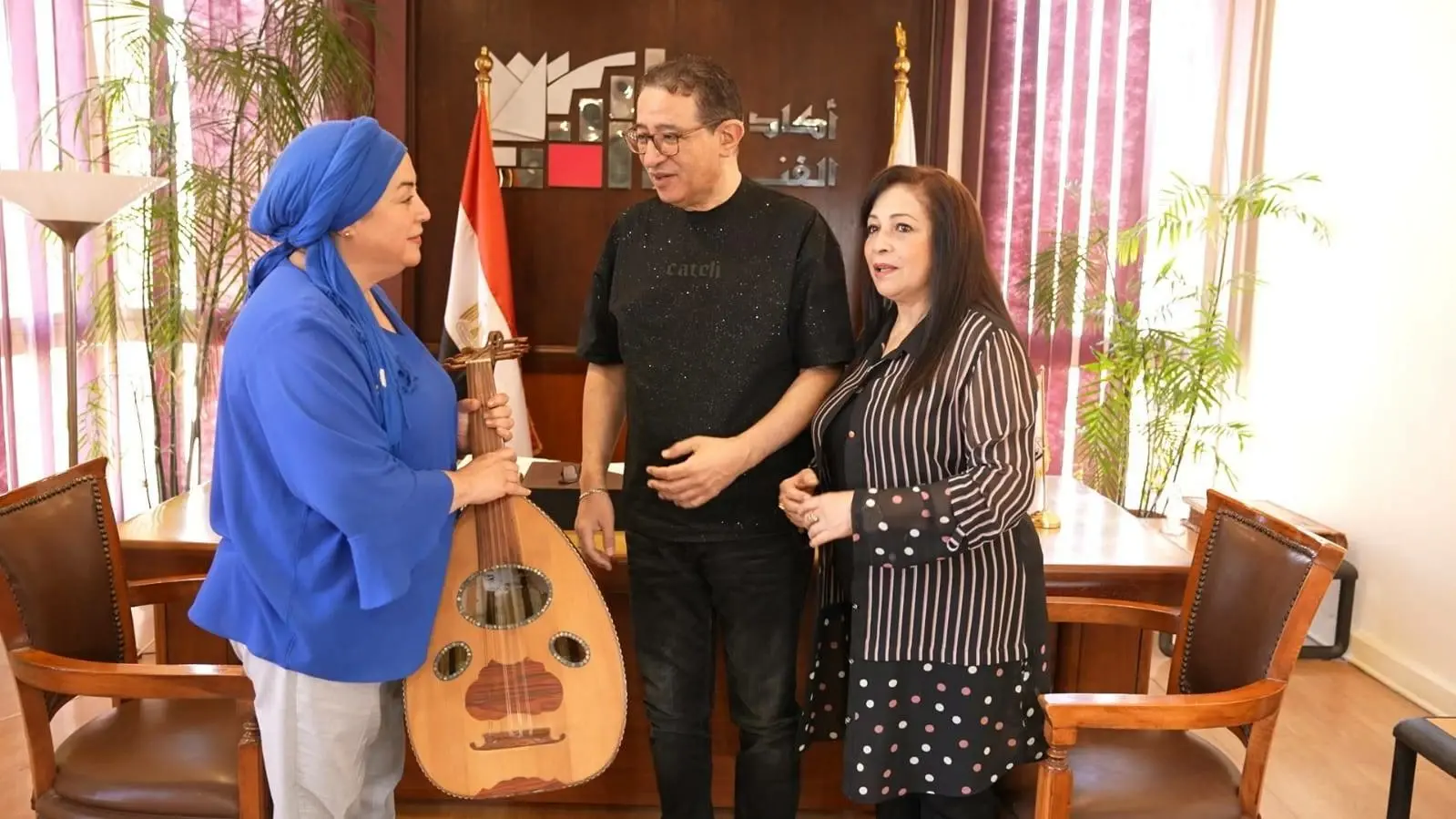
A reconciliation meeting was held at the Egyptian Journalists Syndicate, bringing together El-Shenawy and Mostafa Kamel.
The meeting was attended by journalists and representatives from the Musicians Syndicate, with Egyptian Journalists Syndicate Chairman Khaled El-Balshy playing a role in helping resolve the dispute.
Singer Nadia Mostafa, the official spokesperson of the Musicians Syndicate, was also present.
The meeting ended with both sides shaking hands and agreeing to put the personal dispute behind them.
🗣️ Mostafa Kamel apologizes
During the reconciliation, Mostafa Kamel expressed his appreciation for El-Shenawy as an established critic and acknowledged that artists can sometimes react emotionally to criticism.
Kamel explained that artists are particularly sensitive to criticism because of their emotional connection to their work.
The reconciliation therefore focused on restoring mutual respect while allowing each side to maintain its own professional perspective.
⚖️ Reconciliation does not mean agreement
One of the most interesting aspects of the dispute is that the reconciliation did not require the two men to agree artistically.
The personal disagreement was resolved, while El-Shenawy continued to stand by his assessment of Kamel’s singing.
This distinction highlights a broader debate within the entertainment industry: Where does artistic criticism end and personal offense begin?
Critics need the freedom to express their opinions, while artists also expect criticism to remain within professional boundaries.
📱 Social media and the controversy
Social media played a major role in amplifying the dispute.
Short clips from the concert circulated widely, followed by statements from both sides, turning the disagreement into a major topic of discussion among entertainment audiences.
The controversy also sparked different reactions, with some viewers supporting the critic’s right to express his opinion and others arguing that certain descriptions can become unnecessarily harsh.
✨ A lesson from the controversy
Ultimately, the dispute between Tarek El-Shenawy and Mostafa Kamel demonstrates that reconciliation does not necessarily mean agreement.
Two people can disagree professionally while maintaining mutual respect personally.
The reconciliation ended the personal and legal aspects of the dispute, while El-Shenawy maintained his artistic assessment.
The controversy also highlights the importance of responsible criticism, respectful dialogue and keeping artistic disagreements from turning into personal conflicts. 🎤✨