Tarek Lotfy Reveals His Excitement for "Last Chance": Seeking Complex and Challenging Roles
Tarek Lotfy discusses his character in "Last Chance" and the intricate conflicts he faces, describing the series as a milestone in his artistic journey


⚡ Actor Tarek Lotfy revealed the reasons behind his enthusiasm for joining the Ramadan marathon through the series "Last Chance," emphasizing his continuous search for complex and challenging roles that push an actor’s limits.
💼 Lotfy explained that his character “Badr Abaza” embodies a unique duality: a self-made man who grew up in a popular neighborhood and built himself from scratch, while simultaneously confronting the principles of a trustworthy and upright judge, portrayed by Mahmoud Hemida, especially when his granddaughter is kidnapped to pressure him in a sensitive case. This creates intense conflict between personal values and social pressures.
🔥 He added: “What attracted me to this role is that Badr is a character I’ve never portrayed before. He’s deeply rooted in street language and culture before rising socially to join the elite, and this contrast between his humble origins and social success was the main reason I chose the role.”
🎬 Tarek Lotfy emphasized that "Last Chance" is a significant milestone in his career, combining human and social drama with suspense and intrigue, delivering a comprehensive artistic experience that challenges his acting skills and adds a new dimension to his artistic journey.
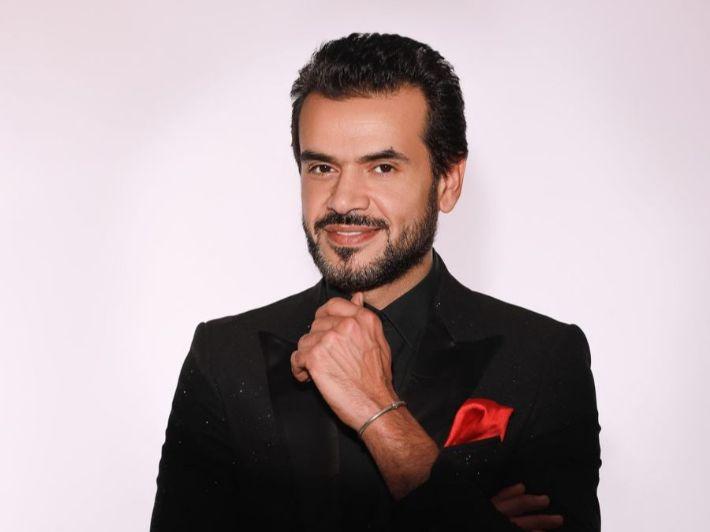
Samo Zein revealed details about songs he wrote and composed that were later given to other singers, explaining why he now legally registers his songs first.

Ahmed Ghazy and Kabore’s Mahmoud El Tany will hit Egyptian cinemas on August 13, 2026, and Arab cinemas on August 20 after its release date was moved forward.
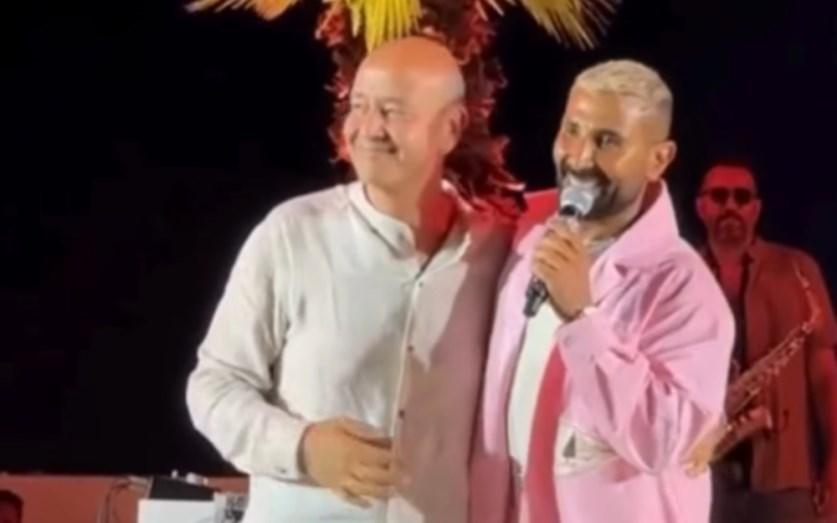
Amr Adib and Ahmed Saad are trending after the TV host appeared at the singer’s concert, took to the stage, and joined him in a dance performance amid enthusiastic reactions from the audience.

Hamza Namira’s songs reveal a striking presence of questions, from homesickness and return in “Tazkarti” to change and loneliness in “Dari Ya Albi,” and the rekindling of friendship in “Fady Shwaya.”
