📡 Unprecedented Preparation by Telecom Networks
Just days before the biggest music event of the year, South Korea's three major telecom companies — SKT, LG U+, KT — have launched extensive plans to ensure network stability in Gwanghwamun, the site where millions of fans worldwide will watch the live broadcast.
This event provides a real opportunity to test the network's capacity to handle massive simultaneous user loads, while monitoring performance and broadcast quality across multiple platforms.
🤖 The Role of AI Technology in the Event

- SKT launched a new AI-based network management system capable of analyzing real-time traffic and dynamically allocating resources to prevent any outages.
- LG U+ deployed mobile network stations in strategic locations around the square to cover potential signal gaps and ensure smooth broadcast continuity.
- KT expanded its main network and equipped it with the latest smart routers, enabling real-time performance monitoring and predicting potential network stress.
These preparations aim to guarantee an optimal user experience for both on-site attendees and online viewers, with expected simultaneous viewership reaching millions.
🌍 A Global Test of Network Efficiency
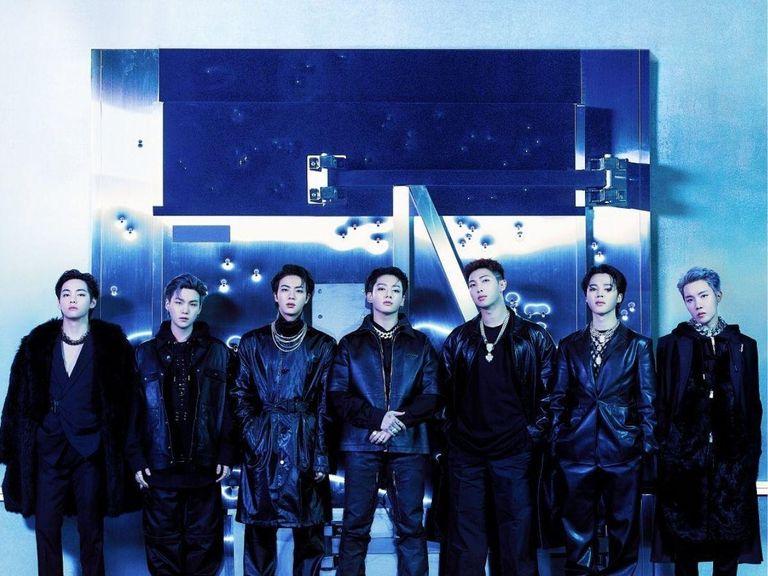
The event serves as an opportunity to evaluate local network efficiency and its ability to handle the high loads generated by a global live broadcast.
It also represents a global benchmark that telecom companies can compare with similar events worldwide, reflecting a professional level of preparedness in handling field emergencies and dynamic AI-driven network management.
📈 Expected Performance Analysis
Recent studies suggest that such major events can increase data traffic across networks by up to 500% compared to regular working days.
To address this, companies relied on:
✨ Predicting network load using intelligent algorithms
✨ Monitoring live data to adjust resources instantly
✨ Enhancing coverage in high-density areas to ensure a seamless user experience
All these steps demonstrate the commitment of telecom companies to providing an uninterrupted digital experience, even with unprecedented numbers of simultaneous users.
💡 Innovation and User Experience

Using AI in network management is an advanced innovation, as the system can learn from user behavior and adapt to sudden changes in load or geographic distribution of viewers.
Mobile network stations provide the flexibility to handle major and unexpected events, making this event a global model for user experience in large-scale gatherings.
📱 The Importance of the Event for Digital Streaming
Since the event will be broadcast globally across multiple platforms, ensuring network stability and high-quality streaming has become a top priority.
- Millions of viewers in Asia, Europe, and America will watch simultaneously
- Even a minor outage could affect the experience of millions
- Hence, AI-driven management and deployment of mobile stations is a strategic necessity
🌐 Lessons for Future Networks
This experience provides a valuable learning opportunity for telecom companies, allowing them to test:
✨ Network capacity under high load
✨ Efficiency of intelligent systems in automatic resource allocation
✨ Speed of response to sudden emergencies
This sets the foundation for developing smarter and more flexible networks capable of handling major events or emergencies.
🔥 Impact on Fans and Social Interaction

The event's impact extends beyond the livestream to social media engagement.
💜 Millions of fans share their moments during the event
📣 Updates, images, and emojis circulate in real time
🌍 The event becomes a global trend on Facebook and Twitter, reflecting the digital influence of BTS and telecom networks together
🎯 Conclusion
As the BTS show in Gwanghwamun approaches, all technical preparations appear complete to ensure smooth streaming and an optimal experience for viewers worldwide.
The question remains: Will this event set a new benchmark for global network management during major live events? 📶✨💜