“The Art of War: How to Win the Battle with Your Mind Before Your Weapon
Discover the secrets of The Art of War in a modern and engaging way, and learn how to turn any conflict into an opportunity, winning with strategy and wisdom before confrontation. A practical guide to strategic thinking in life and work.


📕 The Art of War
How to understand conflict… before you enter it
Chapter One: Conflict Is Never Sudden 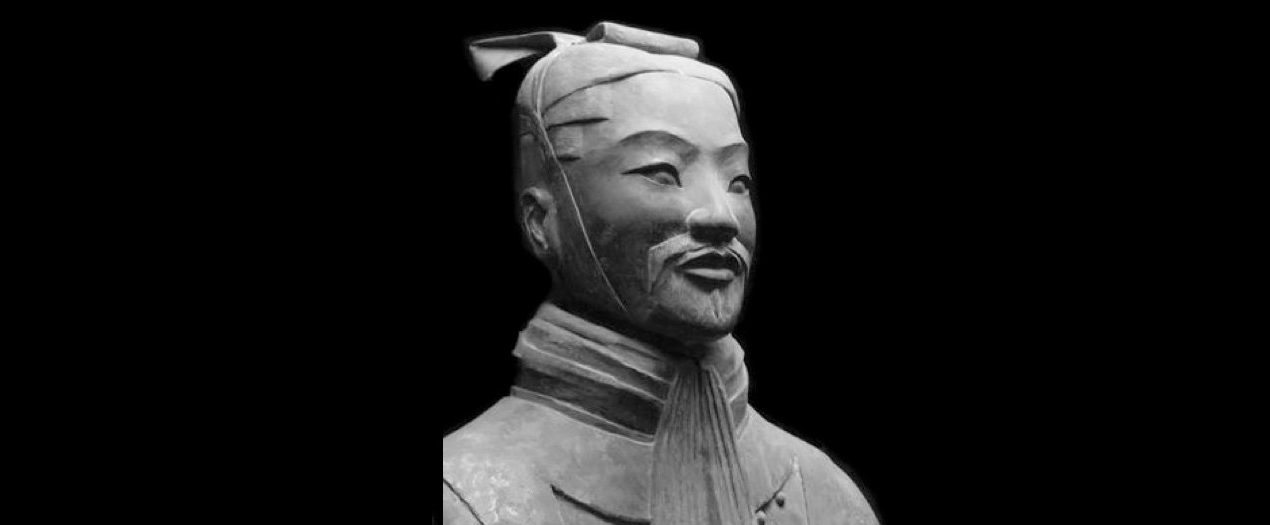
🔴 Wisdom
No war ever starts suddenly… it is always the result of flawed thinking.
🧠 Explanation
The deepest idea in The Art of War is that conflict is never born in a moment.
War, loss, collapse — all are results of accumulation:
Arrogance, haste, misjudgment, or ignoring clear warning signs.
Sun Tzu never saw war as an event.
He saw it as the end of a long path.
📖 Example
A commander ignored reports saying his army was exhausted.
He said: “Continue, we are stronger.”
The battle happened…
The collapse happened faster.
🌍 Real-Life Reflection
An argument that exploded?
It wasn’t sudden.
A failed decision?
There were signs.
Those who understand the beginning rarely reach a catastrophic ending.
Chapter Two: Know Yourself Before Anyone Else 
🔴 Wisdom
The greatest trap is believing your own illusion about yourself.
🧠 Explanation
Self-knowledge for Sun Tzu is not a slogan.
It is a survival tool.
Knowing:
When you are strong
When you are weak
When you are ready
And when you are not
Many people enter conflicts not because they can win,
but because they refuse to admit their limits.
📖 Example
A large army with huge numbers,
but poorly trained.
Facing a smaller army…
But organized.
The result?
The organized one won.
🌍 Real-Life Reflection
A job bigger than your experience.
A discussion that requires calm while you are angry.
A relationship that needs maturity while you are still confused.
Strength is not entering.
Strength is knowing when not to.
Chapter Three: Know Your Opponent… Not the One You Imagine 
🔴 Wisdom
The most dangerous enemy is the one you believe is weaker than you.
🧠 Explanation
Sun Tzu warned against underestimation.
The real enemy is not always obvious.
Sometimes they appear weak,
but that is part of the plan.
Who underestimates, becomes careless.
📖 Example
A commander saw his enemy retreat,
so he rushed forward.
He didn’t know the retreat was a trap.
He fell into it — and lost.
🌍 Real-Life Reflection
A competitor at work.
A quiet person in a debate.
A situation that looks simple.
Not every silence is weakness.
Not every retreat is defeat.
Chapter Four: Victory Without Fighting Is the Highest Intelligence 
🔴 Wisdom
If you win without fighting, you win with excellence.
🧠 Explanation
Sun Tzu saw war as partial failure.
Even victory costs time, energy, and lives.
True intelligence is preventing the clash.
📖 Example
A commander cut off enemy supplies.
The enemy withdrew on their own.
No battle.
🌍 Real-Life Reflection
Negotiation instead of conflict.
Containment instead of escalation.
Withdrawal instead of exhaustion.
Not every withdrawal is defeat.
Sometimes withdrawal = delayed victory.
Chapter Five: Timing Is Not a Detail 
🔴 Wisdom
The right decision at the wrong time… is wrong.
🧠 Explanation
Sun Tzu believed timing is a weapon.
Attacking too early = recklessness.
Attacking too late = missed opportunity.
The wise leader knows how to wait.
📖 Example
An army waited until the enemy was exhausted.
The attack then was easy.
🌍 Real-Life Reflection
A word spoken too early.
An apology that came too late.
A step taken before it matured.
Always ask yourself:
Is this the right time?
Chapter Six: Mystery Is Power 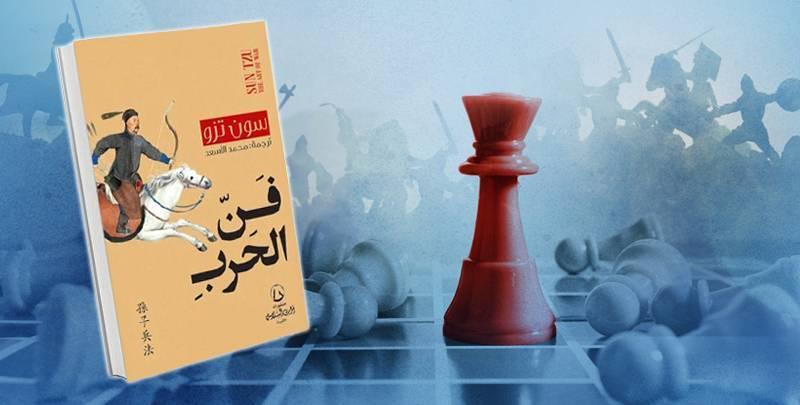
🔴 Wisdom
You don’t have to be an open book.
🧠 Explanation
Sun Tzu said: War is deception.
Meaning image management,
not cheap lies.
Revealing all intentions makes you predictable.
📖 Example
A commander displayed intentional weakness.
The enemy underestimated him.
The real attack was shocking.
🌍 Real-Life Reflection
In negotiation.
In competition.
At work.
Those who reveal all their cards early
lose the element of surprise.
Chapter Seven: Calm Is Not Weakness 
🔴 Wisdom
The louder the voice… the less calm the mind.
🧠 Explanation
Sun Tzu saw anger as a leader’s enemy.
Anger leads to haste.
Haste leads to mistakes.
📖 Example
A commander reacted to minor provocation.
Made a momentary decision.
Lost an entire battle.
🌍 Real-Life Reflection
Ruined discussions.
Regretted decisions.
Broken relationships.
One reason:
Emotional reaction.
Chapter Eight: Choose Your Battles
🔴 Wisdom
Not every conflict deserves your energy.
🧠 Explanation
Choosing the battle is half the victory.
Place, timing, and conditions matter.
📖 Example
An army refused to fight on unfavorable land.
Withdrew.
Returned under better conditions — and won.
🌍 Real-Life Reflection
Not every argument must be won.
Not every competition is yours.
Not every problem deserves a response.
Intelligence is choosing.
Chapter Nine: Master Yourself First 
🔴 Wisdom
He who cannot control himself can never control others.
🧠 Explanation
Sun Tzu feared:
Arrogance
Recklessness
Overconfidence
Because they blind the mind.
📖 Example
A commander believed he was unbeatable.
Underestimated the enemy.
The defeat was severe.
🌍 Real-Life Reflection
How many times did you lose because you rushed?
Ignored advice?
Said “I know”?
Chapter Ten: War Is Drain
🔴 Wisdom
Even the winner loses if the war lasts too long.
🧠 Explanation
Sun Tzu opposed long wars.
Because they consume:
Resources
Spirit
Focus
📖 Example
An army won a battle,
but lost the ability to continue.
🌍 Real-Life Reflection
Long workplace conflicts.
Endless disputes.
Tug-of-war without end.
Sometimes the solution is to stop.
Chapter Eleven: Why Do Business Leaders Love The Art of War? 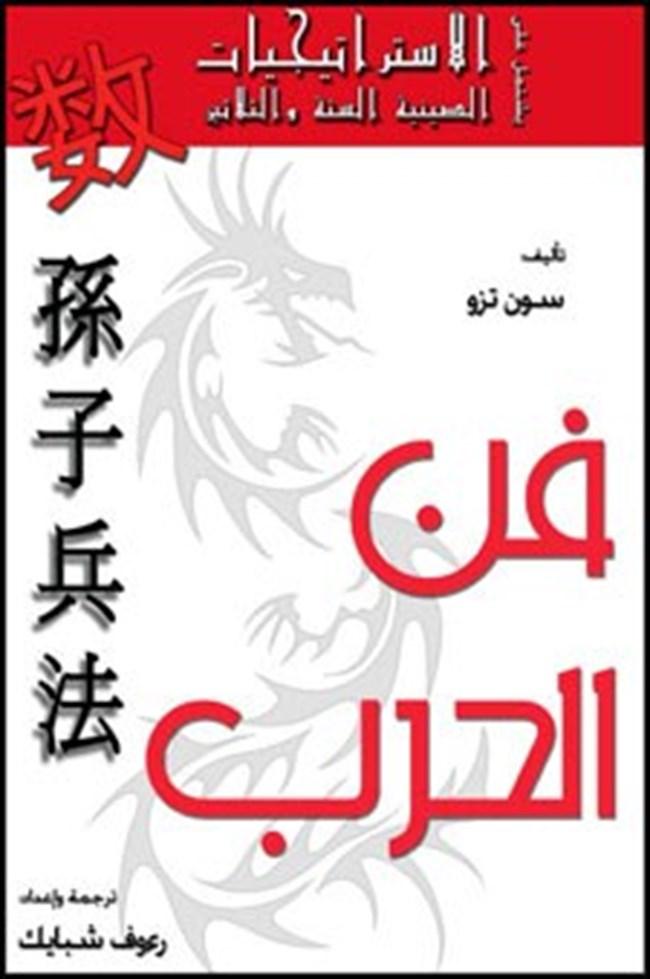
🔴 Wisdom
Business is conflict… with a cold mind.
🧠 Explanation
In the market:
Competitors
Resources
Critical decisions
This is exactly The Art of War.
📖 Example
A company studied its competitors.
Entered the market quietly.
Succeeded without confrontation.
🌍 Real-Life Reflection
The Art of War teaches you to:
Plan
Observe
Move carefully
Not rush.
Chapter Twelve: The Secret of The Art of War’s Immortality
🔴 Wisdom
Books die… except those that understand humans.
🧠 Explanation
The Art of War survived
because it is not about swords,
but about the human mind under conflict.
📖 Example
Every generation read it differently:
A leader, a manager, an ordinary person.
🌍 Real-Life Reflection
As long as conflict exists,
The Art of War will remain relevant.
Conclusion: The Art of War Is Not a Call for Fighting
The Art of War is a call for understanding.
For thinking before acting.
For calm before confrontation.
It tells you:
Not always the strongest wins,
but the calmest… and the smartest.

Aisha Ben Ahmed sparks strong audience engagement with her latest Instagram appearance, showcasing an attractive look surrounded by nature while revealing details about one of her most difficult acting scenes.

Hana El Zahed grabs attention with her latest appearance alongside her sister Nour during their summer vacation, as fans widely interacted with their casual look.

تستعد الفنانة مها أحمد لاستئناف عروض مسرحية «ملكة الحواديت» على مسرح عبد المنعم مدبولي، في تجربة فانتازية موجهة للأطفال والعائلات تجمع بين الحكايات والاستعراض.

Caroline Azmy discusses her role as “Nawal” in “Mahmoud and Mahmoud,” revealing behind-the-scenes details of working with Ahmed Ghazi and Kozbara, as well as her theater experience and upcoming projects.
