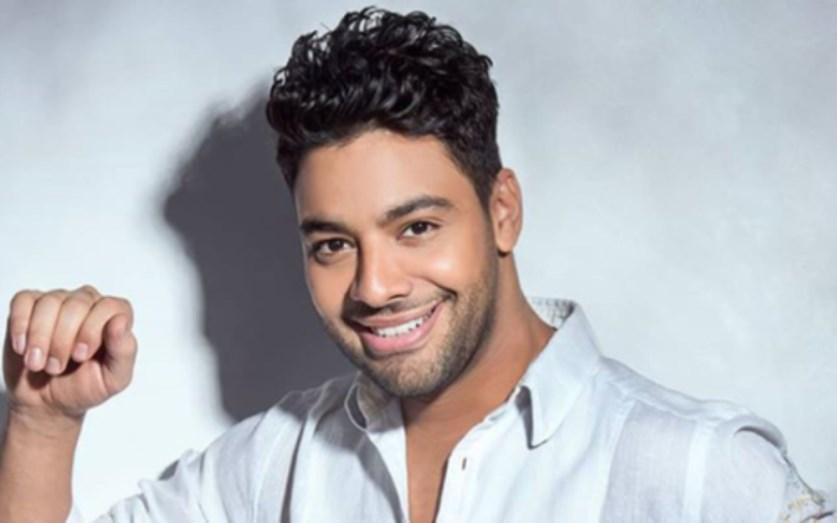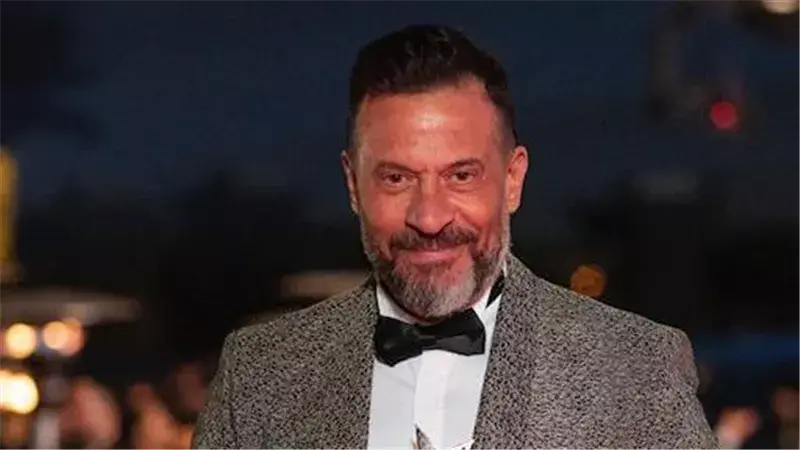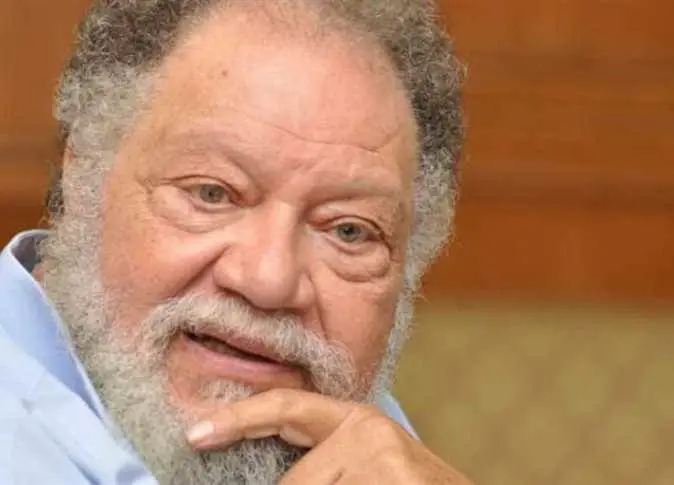

Youssef Ismail Praises Yehia El-Fakharany
Actor Youssef Ismail spoke highly of veteran Egyptian star Yehia El-Fakharany, describing him as one of Egypt’s major artists and cultural treasures.
During his interview on “El Setat Ma Ye’rafous Yekdabo”, broadcast on CBC and hosted by Mona Abdel Ghany and Maha Bihnessy, Ismail discussed El-Fakharany’s relationship with theater and emphasized that his love for the stage is genuine rather than simply part of his public image.
Ismail explained that theater may not offer the same financial return for some stars as other forms of entertainment, but the experience becomes rewarding in a different way for an actor who truly loves the stage.
🎭 Youssef Ismail: Theater Becomes Rewarding for an Actor Who Loves It
Ismail explained that theater may not always be financially rewarding for every star, but an artist who genuinely loves the stage can find a different kind of value in the experience.
According to him, theater becomes rewarding for an actor who truly loves and adores it, and he considers Yehia El-Fakharany a clear example of that passion.
His comments highlight the different ways artists can view theater. While some may focus on the effort involved and the financial return, an actor who is deeply connected to the stage may see performing in front of a live audience as a reward in itself.
❤️ Youssef Ismail Recalls a Meeting with Yehia El-Fakharany
Youssef Ismail also recalled a meeting with Yehia El-Fakharany during the period when he was managing the National Theater.
Ismail explained that his first meeting with El-Fakharany came while discussing an agreement for a production to be staged by the National Theater.
However, what stood out to him during the meeting was not simply the discussion about the project, but El-Fakharany’s reaction to entering the theater.
✨ Happiness the Moment He Entered the Theater
Ismail said he noticed a strong sense of happiness in Yehia El-Fakharany as soon as the actor entered the theater.
For Ismail, that moment was a clear indication that El-Fakharany’s connection to theater comes from a genuine love of the stage and the artistic experience itself.
Rather than appearing focused only on the practical aspects of the production, El-Fakharany’s happiness upon entering the theater left a lasting impression on Ismail.
🎬 A Love for Theater Beyond Financial Considerations
Youssef Ismail’s comments also highlight an important aspect of the relationship between artists and theater: artistic value is not always measured by financial return.
For an actor who genuinely loves the stage, theater provides the unique opportunity to perform directly in front of an audience and experience an immediate connection with viewers.
From this perspective, Ismail sees Yehia El-Fakharany as an example of an artist who finds genuine value in theater, something he says was evident from his reaction to simply stepping onto the stage.
⭐ Yehia El-Fakharany and His Connection to Theater
Youssef Ismail’s remarks came as part of his appreciation for El-Fakharany’s artistic career, particularly after describing him as one of Egypt’s major artists.
His recollection of El-Fakharany’s reaction inside the theater adds a more personal dimension to the story and shows how an artistic space can develop into something much deeper than a workplace.
For Ismail, witnessing the actor’s happiness upon entering the National Theater was one of the moments that clearly demonstrated his passion for the stage.
🎭 The Stage Reveals an Artist’s Passion
Youssef Ismail’s memory demonstrates how an artist’s passion can sometimes be seen through simple moments, such as the excitement that comes with entering a theater or preparing to perform before a live audience.
In El-Fakharany’s case, Ismail interpreted the happiness he witnessed inside the theater as a genuine expression of his relationship with the stage.
His story also supports the idea that theater can become deeply rewarding for an artist when it is driven by passion rather than financial considerations alone.
Ultimately, Youssef Ismail presented a different side of Yehia El-Fakharany: not only as one of Egypt’s major acting figures, but also as an artist who finds genuine happiness and passion in theater.
What do you think of Youssef Ismail’s story about Yehia El-Fakharany’s love for theater? Do you think passion for art can sometimes matter more than financial return? 🎭💬