Zouzou Shakib: The Theatre Star Who Shaped Egyptian Cinema and Made a Bold Personal Choice
On her birth anniversary, we revisit the journey of Egyptian actress Zouzou Shakib, who rose from theatre stages to become a prominent cinema figure, known for her powerful roles and her deeply personal decision to refuse motherhood for emotional reasons 🎬✨
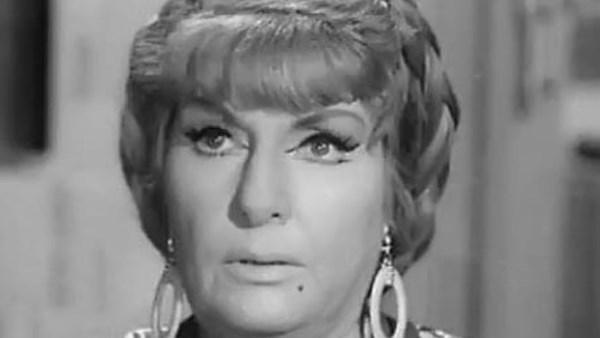

On April 12, we commemorate the birth of one of Egypt’s notable 20th-century actresses, Zouzou Shakib, born in 1909 and passed away in 1978. She left behind a remarkable artistic legacy that secured her a distinguished place in the history of Egyptian theatre and cinema 🎭🌟
Zouzou Shakib began her artistic journey during a highly competitive era in Egyptian performing arts, where theatre and cinema were rapidly evolving. She first stepped into the world of acting through theatre, which served as the foundation for her talent. Joining several prominent theatre companies, she quickly gained recognition for her expressive performance style and her ability to convey deep human emotions with authenticity 🎬✨
As her reputation grew, she transitioned into cinema, where she found a broader platform to showcase her versatility. During the 1940s and 1950s—considered the golden age of Egyptian cinema—she appeared in a wide range of films, spanning drama and comedy, each highlighting different dimensions of her acting abilities 🎥💫
She became particularly known for portraying aristocratic or authoritative female characters, often embodying strong-willed and dominant personalities. However, she was never confined to a single typecast. Instead, she demonstrated remarkable range by taking on emotionally complex roles that revealed her depth as an actress and her ability to adapt to diverse characters 🎭🔥
Throughout her career, she worked alongside some of the most iconic figures of Egyptian cinema, contributing to productions that remain influential to this day. Her presence in these works positioned her as part of a pioneering generation that helped shape the foundations of modern Egyptian film 🌟🎬
Behind the fame, however, Zouzou Shakib’s personal life was marked by emotional struggles and challenges. In her later years, she gradually stepped away from the spotlight, reducing her artistic appearances and choosing a quieter life away from the pressures of fame 💔🌙
One of the most discussed aspects of her personal life was her decision not to have children. She openly expressed this choice, explaining that her extreme emotional sensitivity and compassion made her unable to bear the idea of seeing a child suffer or fall ill 🕊️💔
This statement revealed a deeply human dimension of her personality, showing that her decision was not merely personal but rooted in empathy and emotional awareness. It added a layer of complexity to how audiences perceived her—both as an artist and as a sensitive human being 🎭✨
Despite her gradual withdrawal from public life, her artistic contributions continued to resonate. Her films remain part of Egypt’s cinematic heritage, still appreciated by audiences who recognize her unique screen presence and emotional depth 🎬🌟
Zouzou Shakib passed away in the late 1970s, but her legacy endures. She remains one of the unforgettable names in Egyptian artistic history, remembered for her powerful performances, emotional authenticity, and lasting cultural impact 🌹🎭
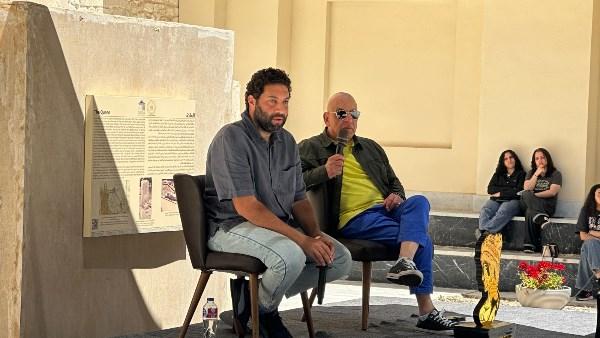
Director Khayri Bishara shares rare behind-the-scenes stories about working with Faten Hamama in A Bitter Day, A Sweet Day.
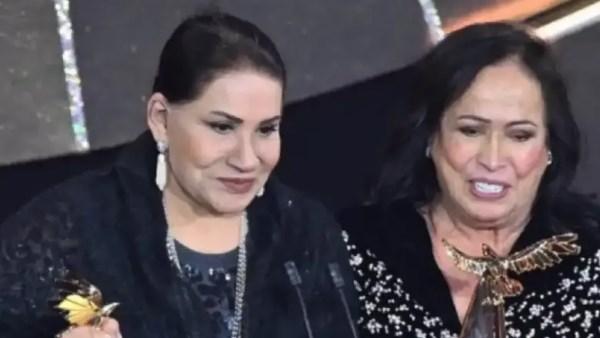
Director Khayri Bishara shares untold stories about Kabouria, revealing early rejection and criticism before its eventual box office success.
The documentary “Waheed & His Days” premieres tonight on Al Wathaeqya, exploring the remarkable career of Waheed Hamed and his influence on Arab cinema and drama.
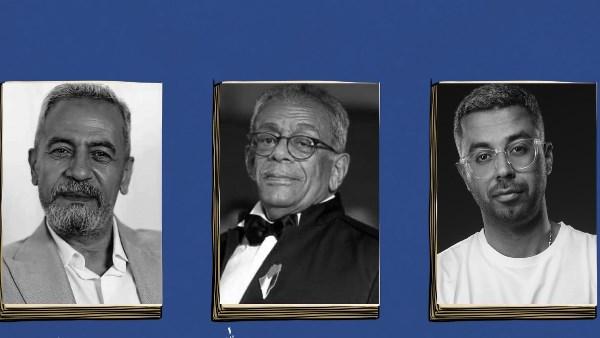
The Alexandria Short Film Festival announces a major casting masterclass featuring Yousry Nasrallah, offering insights into selecting actors and crew behind the camera.
