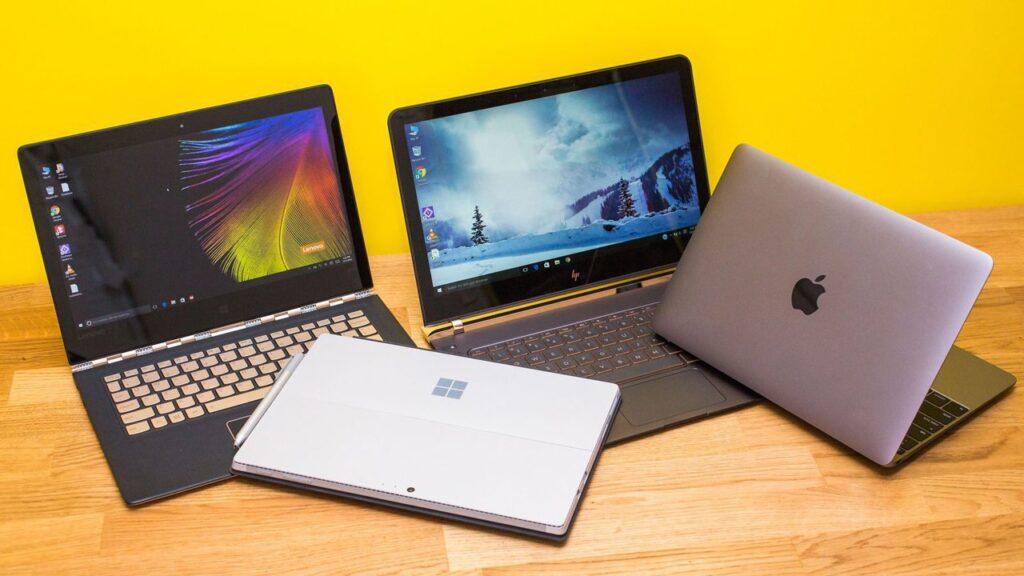

In 2025, programmers and AI researchers demand laptops that deliver not only raw performance but also stability, portability, and enterprise-grade security. Here are the top laptops with detailed insights:
🔹 MacBook Pro M4 Pro/Max
Performance: Apple M4 Pro/Max 3nm chip with Neural Engine, lightning-fast for coding and data tasks.
User Experience: Ideal for iOS/macOS developers, long battery life for all-day work.
Pros: Brilliant XDR display, secure macOS ecosystem.
Cons: No CUDA support, very expensive.
Security: Excellent with FileVault and Secure Enclave.
🔹 Dell XPS 15 (2025)
Performance: Intel Ultra CPUs and NVIDIA RTX 40 GPUs for AI workloads.
User Experience: Gorgeous 15.6” 4K OLED display, great for multitasking.
Pros: Elegant design, Linux support.
Cons: Heavy (2kg+), heating under pressure.
Security: Strong with Windows Hello, TPM, fingerprint.
🔹 Lenovo ThinkPad X1 Carbon Gen 13
Performance: Up to 32GB RAM and modern Intel CPUs, perfect for project management.
User Experience: Ultra-lightweight, best-in-class keyboard.
Pros: Durable, portable, long-lasting battery.
Cons: Limited GPU for deep learning.
Security: Enterprise-grade (BIOS encryption, fingerprint, camera shutter).
🔹 Asus ROG Zephyrus AI Edition
Performance: RTX 5090 AI GPU and up to 64GB RAM.
User Experience: 240Hz screen, but heavy and power-hungry.
Pros: Ideal for AI training and gaming.
Cons: Loud fans, shorter battery life.
Security: Decent but not top-tier.
🔹 Acer Swift Go 14 AI / IdeaPad Slim
Performance: Intel Core Ultra with integrated NPU for lightweight AI tasks.
User Experience: Affordable and portable, great for students.
Pros: Budget-friendly, modern design.
Cons: Limited RAM and GPU.
Security: Basic, suitable for entry-level.
📝 Tips Before Buying
Heavy deep learning projects → get a strong NVIDIA RTX laptop.
Apple ecosystem development → MacBook Pro.
Portability and business use → ThinkPad X1 Carbon.
AI + gaming combo → Asus Zephyrus AI.
Budget-friendly coding start → Acer Swift Go.