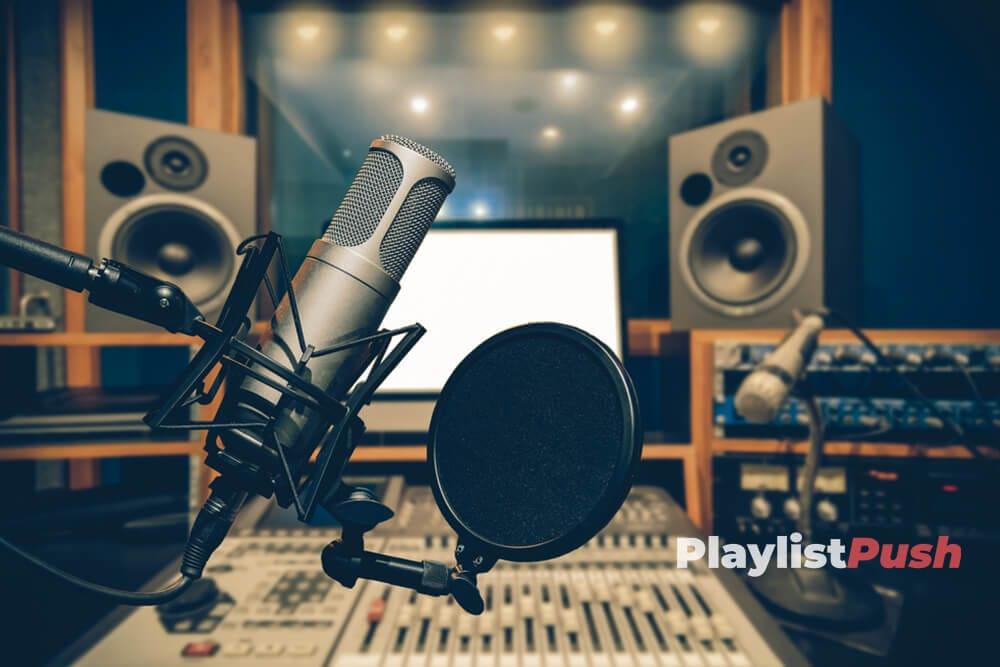

With the rise of content creation and audio production in 2025, having a solid microphone is essential for any home studio or recording setup. But not every microphone fits every user — let's divide options into three tiers:
🎤 Budget / Entry Level
In this tier, the aim is to get decent sound for minimal cost.
Example: BOYA BY‑M1
A lavalier mic (clip-on mic)
Pros
Easy to use with phones, cameras, and computers
Very affordable
Good for interviews, vlogs, casual recording
Cons
Limited audio quality in noisy environments
Poor noise isolation
Approximate Price in Egypt
Seen in Egyptian listings and shops at budget-friendly ranges أ
🔊 Mid Range
Here you get better performance, features, and flexibility.
Example: Shure MV7 / MV7+
Hybrid dynamic mic with USB and XLR support
Pros
Flexible connectivity (USB or XLR)
Internal controls, DSP for noise filtering
Solid quality for streaming, podcasting, and vocals
Cons
Cost higher than entry models
Not fully studio-tier
Approximate Price in Egypt
Available in Arabic e‑shops at premium prices for mid‑range mics
⭐ Upper Mid / Semi-Professional
For those wanting near-studio audio without going into ultra-expensive gear.
Example: Shure SM7B
A legendary dynamic mic used in professional studios
Pros
Excellent isolation from background noise
Clean, professional vocal and instrument capture
Cons
Requires strong gain or good interface
Relatively high cost
Approximate Price in Egypt
High-end models like SM7B appear in Egyptian pro audio stores at premium rates
🛠️ Tips for Choosing
Check connection type (USB vs XLR) based on your gear
Look for low self-noise ratings
Choose a polar pattern that suits your use (cardioid, omni, etc.)
Ensure you have a capable audio interface or gain for stronger mics
Don’t overlook room acoustics — a good mic in a bad room sounds worse