Gynecologist and Obstetrician in Egypt | Guide to Choosing the Best Doctor & Consultation Costs
A comprehensive guide to finding a gynecologist and obstetrician in Egypt, covering key specialties and medical services, when to see a doctor, how to choose the right specialist, and the factors affecting consultation and treatment costs.

Your Complete Guide to an Obstetrician-Gynecologist in Egypt: Specialties, Selection Criteria, and Prices
Choosing an obstetrician-gynecologist in Egypt is a pivotal step in every woman’s life. It is a decision closely linked to her physical and psychological health at different stages of life. The role of an obstetrician-gynecologist is not limited to pregnancy and childbirth follow-up; it extends to comprehensive women’s healthcare from puberty through post-menopause.
This precise specialty includes the diagnosis and treatment of many health conditions, starting from routine preventive check-ups, through the treatment of hormonal disorders, all the way to delicate and complex surgeries. Because every age group has its own specific medical needs, choosing the right doctor should be based on academic qualifications, precise specialization, and practical experience related to the condition — not on fame alone.
This comprehensive medical guide aims to provide reliable and objective information to help you understand the specialties of obstetrics and gynecology, know when to consult a doctor, and make an informed decision based on sound medical criteria.
When Do You Need to Visit an Obstetrician-Gynecologist in Egypt? Symptoms and Reasons for Examination
It is recommended to visit an obstetrician-gynecologist when experiencing persistent or unusual gynecological symptoms, for pregnancy follow-up, or for routine check-ups. Urgent medical evaluation becomes necessary when severe symptoms appear, such as heavy bleeding, acute pain, or loss of consciousness.
Symptoms That Require Booking a Medical Appointment
There are many signs and symptoms that require specialized medical evaluation to determine their causes and prescribe the appropriate treatment plan. Among the most prominent of these symptoms are:
- Menstrual cycle disorders: including absence of periods, irregularity, or periods lasting longer than usual.
- Unusual bleeding: such as bleeding between periods, after intercourse, or bleeding after menopause.
- Recurrent pelvic pain: whether related to the menstrual cycle or continuous throughout the month.
- Pain during intercourse: which may indicate infections or conditions such as endometriosis.
- Abnormal discharge: especially if accompanied by a change in color or odor, or associated with itching.
- Itching or burning: in the genital area, which may indicate a fungal or bacterial infection.
- Menopausal symptoms: such as hot flashes, night sweats, severe mood swings, and vaginal dryness.
- Delayed pregnancy: if one year of regular intercourse without contraception has passed (or six months for women over 35).
- Pregnancy-related symptoms: such as persistent nausea, back and abdominal pain, or the need for regular follow-up.
- Suspicion of polycystic ovary syndrome: when symptoms such as unexplained weight gain, acne, or unwanted hair growth appear.
- Suspicion of fibroids: when feeling heaviness in the pelvis or experiencing heavy bleeding.
- Any new or persistent change: that requires precise medical evaluation to ensure early and accurate diagnosis.
When Does a Patient Need Urgent Evaluation?
Some symptoms cannot wait for a clinic appointment and require an immediate visit to the emergency department or urgent medical care. Warning signs include the following:
- Heavy bleeding: that requires changing sanitary pads more than once every hour for several consecutive hours.
- Severe or sudden pain: especially in the abdomen or pelvis, that does not respond to regular painkillers.
- Fainting or loss of consciousness: or feeling continuous severe dizziness.
- Pregnancy symptoms accompanied by danger signs: such as bleeding, leakage of amniotic fluid, a noticeable decrease in fetal movement, or a sudden rise in blood pressure.
- Severe pain with dizziness or extreme weakness: symptoms that may indicate emergency conditions such as ectopic pregnancy.
- Any symptoms that require going to the emergency department: according to general medical assessment or the patient’s intuition of sudden danger.
The Difference Between Routine Check-ups and Specialized Treatment
The goals of medical visits to an obstetrician-gynecologist differ according to the patient’s needs and are generally divided into:
- Routine check-up: its primary goal is prevention, early detection of diseases, performing Pap smears, and routine breast examinations.
- Specialized treatment: when there is a specific medical problem or apparent symptoms, or when there is a previous diagnosis that requires precise medical follow-up and therapeutic intervention.
The type of examinations and medical procedures followed depends on the doctor’s assessment of the patient’s condition, based on her age, family medical history, and current symptoms.
The Most Important Specialties and Services in Obstetrics and Gynecology
Obstetrics and gynecology branches into multiple precise fields. Although a general obstetrician-gynecologist can handle many cases, some may require specialized expertise.
Pregnancy Follow-up
This service includes providing comprehensive healthcare for the mother and fetus from the moment pregnancy is confirmed until delivery. It involves regular visits to measure blood pressure and weight, perform periodic ultrasound examinations to check on the fetus’s growth and vitality, in addition to requesting the necessary medical tests to avoid anemia or gestational diabetes.
High-Risk Pregnancy Follow-up
This field specializes in monitoring pregnant women who suffer from health conditions that may affect the course of pregnancy, such as heart disease, diabetes, high blood pressure, thyroid disorders, twin pregnancies, or a previous history of recurrent miscarriage. This specialty requires intensive follow-up and precise medical protocols.
Natural Birth
The doctor works to encourage and monitor the course of a natural birth safely, intervening to provide appropriate pain relief or epidural anesthesia (pain-free) if necessary, while monitoring the fetal heartbeat and the continuation of uterine contractions to ensure the safety of the mother and child.
Cesarean Section
It is a surgical intervention resorted to either for a pre-planned medical necessity (such as an unsuitable fetal position or placenta previa), or as an emergency procedure during natural labor if the mother or fetus faces any risks that require rapid delivery.
Gynecological Diseases
This specialty deals with the examination, diagnosis, and treatment of diseases affecting the female reproductive system, including vaginal infections, pelvic infections, discharge disorders, and various non-pregnancy-related conditions.
Menstrual Cycle Disorders
It is concerned with evaluating the causes of heavy periods, scanty bleeding, or temporal irregularity of the cycle. Evaluation begins with clinical examination and ultrasound, and may require hormonal tests to identify the root cause and develop a medication treatment plan.
Polycystic Ovary Syndrome
Polycystic ovary syndrome (PCOS) is a common hormonal disorder. Treatment aims to regulate hormones, improve insulin resistance, regulate the menstrual cycle, and treat associated symptoms such as excess hair growth, in addition to helping patients who wish to conceive.
Endometriosis
A condition in which tissue similar to the uterine lining grows outside the uterus, causing chronic pelvic pain especially during menstruation. This condition requires an experienced doctor for proper diagnosis and presentation of treatment options ranging from hormonal medications to surgery.
Fibroids
Fibroids are benign muscular masses that grow in the uterine wall. They may cause no symptoms, or they may cause severe bleeding or pain. The treatment plan — whether monitoring, medication, or surgery — is determined based on the size and location of the fibroids and their impact on the patient’s quality of life.
Gynecological Laparoscopic Surgery
These are minimally invasive surgeries performed through small abdominal incisions using a camera and precise instruments. They are used to remove fibroids, ovarian cysts, release adhesions, or treat endometriosis, and are characterized by faster recovery compared to open surgery.
Gynecological Oncology Surgery
A precise specialty concerned with the surgical management of tumors affecting the uterus, ovaries, cervix, or vagina. This specialty requires high precision to ensure safe removal while preserving healthy tissue as much as possible.
Delayed Fertility
This specialty focuses on evaluating fertility in both partners through ovulation tests, assessment of the fallopian tubes, and semen analysis for the husband. Treatment includes ovulation induction or resorting to assisted reproductive techniques such as artificial insemination or ICSI when necessary.
Menopausal Disorders
The menopause period is accompanied by a decrease in estrogen levels. The doctor provides medical solutions to deal with hot flashes, prevent osteoporosis, and assess the need for hormone replacement therapy according to the patient’s health condition.
Diseases of the Cervix, Ovaries, and Uterus
It includes early diagnosis and treatment of cervical cell changes (through Pap smear), treatment of functional ovarian cysts, and management of any polyps or growths inside the uterine cavity that hinder pregnancy or cause bleeding.
Gynecological Oncology Surgery
Gynecological oncology surgery is one of the most precise and specialized medical branches in the field of gynecology. This specialty refers to the evaluation, diagnosis, and surgical removal of masses and tumors that appear in the female reproductive system.
This specialty includes tumors that arise in the uterus, cervix, ovaries, fallopian tubes, or vagina. It is very important to know the general difference between benign and malignant tumors; benign tumors (such as fibroids) grow slowly and do not spread to other parts of the body, while malignant tumors require rapid and different management.
A patient needs a specialist in gynecological oncology surgery when initial examinations reveal complex masses, or when abnormal cell changes are confirmed through biopsy, or when unexplained bleeding continues after menopause.
Medical imaging (such as MRI, CT scans, and advanced ultrasound) and laboratory tests (such as tumor markers) play a decisive role in drawing up the surgical plan. Therefore, evaluation of masses or unusual bleeding should not be delayed, as early diagnosis enhances the efficiency of medical intervention.
In these cases, the importance of a multidisciplinary medical team becomes clear when needed, where the gynecological oncologist cooperates with oncologists, radiologists, and anesthesiologists to provide integrated care based on the latest medical evidence.
How to Choose the Best Obstetrician-Gynecologist Suitable for Your Condition?
There is no single criterion that makes a specific doctor the “best” for all patients and in all cases. Instead of searching for mere fame, one should rely on objective criteria to choose a qualified doctor who suits your medical needs.
Academic Qualifications and Specialization
The doctor’s academic degree is an indicator of the level of medical training. Doctors differ between specialists and consultants; a consultant has additional years of academic and practical training after obtaining a doctorate or fellowship.
Precise specialization and fellowships or specialized training gain major importance when facing specific cases, such as infertility or tumors. It is essential to choose a doctor who has experience related to the condition you need treatment for to ensure access to the latest treatment protocols.
Official Licenses and Certificates
The patient always has the right to verify the legal and professional aspect of the doctor. This includes verifying the doctor’s registration and license to practice the profession according to the competent official authorities such as the Egyptian Medical Syndicate and the Ministry of Health.
It is necessary to verify qualifications that can be confirmed and not to follow false titles. The license of the healthcare facility should also be verified when needed, especially if surgical interventions or laparoscopies will be performed inside it.
Level of Sterilization and Patient Safety
Patient safety is the top priority. The cleanliness of the place should be monitored as soon as entering the clinic or medical center. It is essential to pay attention to the appropriate sterilization of medical instruments used in vaginal examination and the availability of approved sterilization devices (autoclave).
The evaluation also includes the safe disposal of single-use medical instruments and the adherence of the medical staff to basic infection control procedures. Appropriate equipment must also be available for the cases and procedures performed inside the facility to deal with any emergency.
Patient Reviews and Opinions
Previous patients’ opinions are a useful tool for forming a general impression, as they may help in knowing the extent of commitment to appointment times in the clinic and evaluating the doctor’s communication style.
Reviews are useful for knowing the clarity of the explanation and the extent to which the doctor listens to the patient’s complaint, in addition to the follow-up experience after examination or surgery.
However, it should be noted that these reviews are not a substitute for academic qualifications, accurate medical diagnosis, actual experience, or official licensing. Reviews alone should not be considered conclusive evidence of the doctor’s medical quality or surgical skill.
Cost and Prices of an Obstetrician-Gynecologist in Egypt
The prices of examinations and medical services in obstetrics and gynecology clinics in Egypt vary greatly based on many variables. Due to economic changes and varying levels, a fixed and final figure for prices cannot be determined, and the cost differs from one doctor to another and from one hospital to another.
Factors Affecting the Cost:
- The doctor’s academic degree: Usually, a consultation with a consultant or university professor is more expensive than with a specialist.
- City and location: Clinic prices in the capital and areas such as Heliopolis or the Fifth Settlement differ from those in other governorates.
- Clinic or hospital: Examination in an independent private clinic differs from examination in the outpatient clinics of a large investment hospital.
- Type of examination: Is it a routine check-up, an emergency examination, or a specialized consultation?
- Tests and ultrasound: Some clinics include the cost of regular ultrasound imaging within the examination price, while 3D or 4D ultrasound is considered a separate service with an additional cost.
- Medical procedures in the clinic: such as insertion or removal of an IUD, or taking a cervical smear, are added to the basic examination cost.
- Anesthesia and surgery: In cases of operations (such as delivery or laparoscopy), the cost is divided into the surgeon’s fee, the anesthesiologist’s fee, and the operating room cost.
- Length of hospital stay: The cost of grades and hotel-style accommodation inside hospitals varies greatly.
- Nature of the case: Complex cases that require more time and precise evaluation may require higher costs.
- Insurance coverage: Having medical insurance may significantly reduce the financial burden or cover it completely depending on the type of policy.
Medical Insurance and Coverage of Obstetrics and Gynecology Services
Medical insurance plays an important role in covering women’s healthcare expenses. It is important to realize that coverage differs from one insurance company to another, and even from one policy to another within the same company.
It should be known that some services require prior approval from the insurance company before being performed, such as advanced ultrasound, precise laboratory tests, or surgical operations such as delivery. Here, the importance of verifying the network of service providers and ensuring that the doctor and hospital are included in the approved medical network of the policy becomes clear.
It is essential for the patient to know the required co-payment percentage (if any), know the annual financial coverage limits, and know whether delivery, medical procedures, or tests are included in her basic insurance package or require an additional package.
Therefore, it is always recommended to review the insurance policy or contact the insured party directly to obtain accurate information before any medical intervention to avoid any unexpected expenses.
Comparison of the Most Important Conditions and Procedures
| Condition or Procedure | When Might the Patient Need It? | Appropriate Doctor/Specialty | Does It Require Direct Examination? |
|---|---|---|---|
| Pregnancy Follow-up | When pregnancy is positively confirmed and to ensure the health of the mother and fetus periodically | Obstetrician-Gynecologist / Maternal-Fetal Medicine | Yes, for ultrasound and heartbeat measurement |
| Cycle Disorders | When menstruation is absent, bleeding is heavy, or pain is unbearable | General Obstetrician-Gynecologist or Reproductive Endocrinologist | Yes, for ultrasound and taking medical history |
| Polycystic Ovaries | When pregnancy is delayed, weight increases, or unwanted excess hair appears | Consultant Obstetrician-Gynecologist / Infertility | Yes, for preliminary diagnosis with ultrasound and tests |
| Fibroids | When feeling heaviness in the pelvis, continuous pain, or heavy bleeding | Consultant Laparoscopic Surgery or Gynecology | Yes, to accurately assess the size and location of the tumor |
| Endometriosis | When there is severe continuous pelvic pain especially during the period | Doctor specialized in Gynecological Laparoscopic Surgery | Yes, direct examination and ultrasound are necessary |
| Gynecological Oncology Surgery | When suspicious masses are discovered in the uterus, ovaries, or vagina | Consultant Gynecological Oncology Surgery | Yes and urgently, with advanced examinations |
| Menopause Follow-up | When bothersome hot flashes, osteoporosis, or dryness appear | General Obstetrician-Gynecologist | Yes, for clinical evaluation and determining the need for treatment |
Obstetrician-Gynecologist in Heliopolis and Cairo Areas
When searching for medical care, many women prefer to choose a doctor in a nearby geographical area for the ease of regular follow-up and to avoid exhaustion, especially in advanced stages of pregnancy or when frequent examinations are needed.
If you are looking for a doctor inside the capital, choosing the clinic depends on ease of access and the availability of supporting services. In areas such as Heliopolis, Nasr City, and New Cairo, there are many large medical centers and equipped hospitals that include a select group of consultants.
As for areas such as Downtown Cairo, Old Cairo, Giza, and the surrounding areas, there are private clinics and long-established medical centers that provide gynecology services at varying prices suitable for different categories.
When searching for the best obstetrician-gynecologist in Heliopolis, or in any other area, do not rely on online reviews alone as absolute truth. Instead, apply the objective criteria related to the academic degree, the precise specialty for your condition, and the level of clinic equipment.
Can You Consult an Obstetrician-Gynecologist Online?
Telemedicine services have developed significantly, and online medical consultations have become an available option in the specialty of obstetrics and gynecology, but with specific controls.
There are cases that may be suitable for remote consultation, such as regular follow-up after prescribing treatment, discussing the results of laboratory medical tests, inquiring about the side effects of medications, or obtaining a second medical opinion based on previous reports and imaging.
On the other hand, there are cases that require direct examination and for which a clinic visit is indispensable, such as acute pelvic pain, bleeding, and the first pregnancy follow-up visits; because some symptoms cannot be accurately assessed without direct clinical examination and ultrasound imaging.
It must always be emphasized that emergencies should not be delayed because of remote consultation; one must go to the hospital immediately. The patient must also take into account the importance of protecting the patient’s privacy when sharing medical information and report images through digital platforms, and ensure the use of reliable and secure medical applications.
The Most Common Medical Questions
How Do I Choose the Best Obstetrician-Gynecologist in Egypt?
The choice depends on verifying academic certificates (Master’s, Doctorate, or Fellowship), experience in dealing with your specific health condition, the extent of adherence to infection control standards in the clinic, in addition to psychological comfort during communication with the doctor and clear explanation of your condition.
How Do I Find an Obstetrician-Gynecologist in Heliopolis?
You can search through reliable medical directories and specialized websites, filtering the results geographically to include Heliopolis. Be sure to review the qualifications of the available doctors in the area and verify their compatibility with your private medical insurance network if it exists.
Is There a Difference Between an Obstetrician-Gynecologist and a Consultant?
Yes, an obstetrician-gynecologist and specialist has completed basic training and obtained a Master’s degree, while a consultant is a doctor who has obtained a Doctorate or Fellowship and spent many additional years of training and practical experience, and is qualified to deal with more complex cases and surgeries.
Can I Book a Consultation with an Obstetrician-Gynecologist Online?
Yes, many clinics and medical platforms allow booking online consultations. They are useful for discussing tests, routine follow-up, or general inquiries, but they never replace clinical examination or ultrasound for diagnosing new cases.
When Do I Need a Doctor Specialized in Gynecological Oncology Surgery?
This specialist should be consulted when tumors (benign or malignant) are diagnosed or suspected in the uterus, ovaries, or cervix, or when there are abnormal masses that require precise surgical removal to preserve healthy tissue.
Can an Obstetrician-Gynecologist Follow Up on a High-Risk Pregnancy?
Some obstetrician-gynecologists have additional training and extensive experience in maternal-fetal medicine. If your pregnancy is high-risk, it is recommended to choose a consultant specialized in this field to ensure receiving precise follow-up protocols to maintain your safety and the safety of the fetus.
Is There an Obstetrician-Gynecologist in Egypt and Sudan?
There are many Egyptian doctors and consultants who receive patients coming from sisterly Sudan and provide them with the necessary medical care in Egypt. There may also be doctors who have joint clinics or periodic medical visits to provide their services between the two countries.
Is There an Obstetrician-Gynecologist in Old Cairo?
Yes, Old Cairo is one of the long-established areas of Cairo and includes many clinics, medical centers, and hospitals. The same criteria for choosing a doctor apply to it in terms of reviewing the academic degree, licensing, and the level of clinic equipment for dealing with medical examinations.
Is There an Egyptian Obstetrician-Gynecologist in Canada?
There are doctors of Egyptian origin who practice medicine in Canada, but they must hold the approved Canadian licenses and have passed the Canadian board examinations. The practice of medicine differs from one country to another, and a doctor licensed in Egypt cannot practice in Canada without its local license.
Is There an Egyptian Obstetrician-Gynecologist in Dubai?
Yes, there are many distinguished Egyptian doctors in Dubai and the UAE. However, practicing medicine there is subject to passing the tests to obtain a license from the Dubai Health Authority (DHA) or other relevant authorities, and a doctor cannot be considered qualified to practice there merely because he is Egyptian.
How Do You Prepare for a Visit to the Obstetrician-Gynecologist?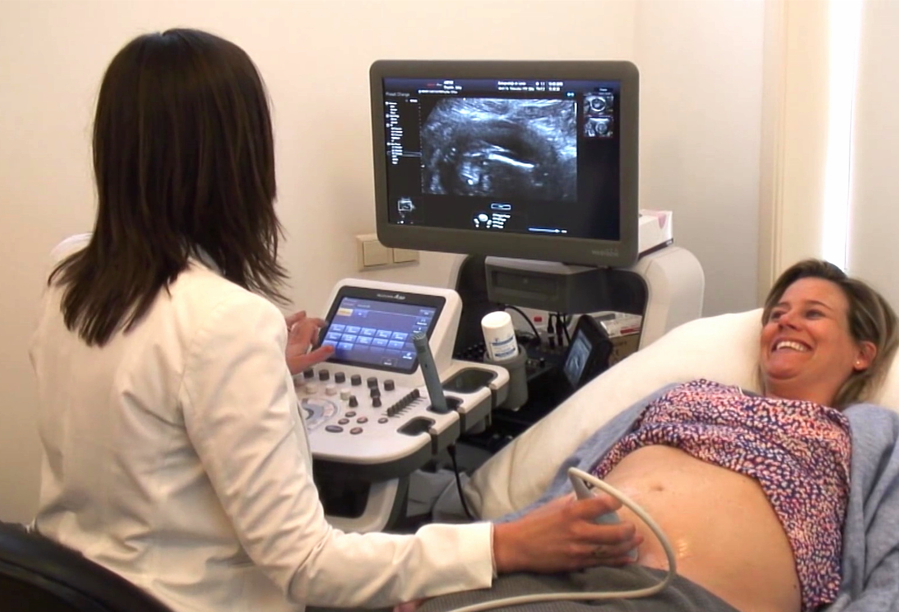
Good preparation for the medical visit helps the doctor reach the correct diagnosis in a shorter time and ensures that you get thorough answers. It is preferable to follow the following steps before going to the clinic:
- Writing the symptoms and the date they began: Accurately record when the complaint started, what its nature is, and whether it increases or decreases at certain times.
- Recording menstrual cycle dates when needed: Keep the dates of at least the last three menstrual cycles, and the extent of their regularity and heaviness.
- Preparing a list of medications: Write down all the medications, dietary supplements, and vitamins you are currently taking with their doses.
- Preparing the results of previous examinations: Collect old ultrasound images, laboratory tests, and previous medical reports and put them in an organized file.
- Knowing the medical and surgical history: Be prepared to mention any chronic diseases you suffer from, or previous surgical operations you have undergone.
- Mentioning previous pregnancy cases when needed: the number of pregnancies, delivery (natural or cesarean), and any complications that occurred previously.
- Writing the questions the patient wants to ask: so that you do not forget any important inquiry during the examination time due to tension.
The Most Important Questions You Can Ask the Doctor
Active participation in your treatment plan begins by asking the right and direct questions to the treating doctor. Among the useful questions are:
- What is the possible cause of the symptoms I am suffering from?
- What tests do I need to confirm the diagnosis?
- Are there more than one treatment option (medicinal, conservative, surgical)?
- What are the benefits and risks of each proposed treatment option?
- Do I need a sub-specialist doctor for my precise condition?
- Are there signs that require returning immediately to the clinic or hospital?
- When is the next follow-up to evaluate the response to treatment?
What Happens After the Visit?
The stage of recovery and reaching the desired results begins as soon as you leave the clinic. To ensure the best treatment path, focus should be on:
- Adhering to medical instructions: applying the doctor’s advice related to lifestyle, rest, or nutrition precisely.
- Performing the required examinations: doing the additional tests or imaging as soon as possible to speed up the treatment plan.
- Adhering to the medications if prescribed by the doctor: taking the doses at the specified times without sudden interruption even if you feel better, unless the doctor directs otherwise.
- Following up on the results: presenting the results of the recent examinations to the doctor to adjust the treatment plan.
- Adhering to the follow-up appointment: not ignoring the scheduled visits, as they are necessary to evaluate medical progress.
- Communicating with the doctor when new or severe symptoms appear: or in case of bothersome side effects from the medications.
When Should You Go to the Emergency Department Instead of Waiting for a Clinic Appointment?
Sometimes, sudden medical developments may occur that require immediate intervention to save the patient’s life or prevent serious complications. One should not wait to book a regular clinic appointment and should immediately go to the nearest hospital equipped with an emergency department in the following cases:
- Heavy bleeding: that does not stop, especially if accompanied by large blood clots or pallor and coldness in the extremities.
- Severe or sudden pain: in the lower abdomen or pelvis that hinders movement, which may be a sign of a ruptured ovarian cyst or ovarian torsion.
- Loss of consciousness: or repeated fainting with severe dizziness.
- Difficulty breathing: or feeling sharp pain in the chest.
- Deterioration of the general condition: such as a severe rise in temperature that does not respond to antipyretics accompanied by chills and foul-smelling discharge.
- Some dangerous pregnancy symptoms: such as the cessation of fetal movement in the advanced months, vaginal bleeding, premature rupture of membranes, or severe headache and blurred vision that may warn of preeclampsia.
It should be noted that this information is guidance and educational, and symptoms may differ from one case to another, and immediate medical evaluation in the hospital is the only decisive factor.
Conclusion
The journey of searching for a suitable doctor is an essential step to ensure receiving appropriate and safe healthcare. We reaffirm that choosing an obstetrician-gynecologist should be based on the suitability of the precise specialty to the condition, verifying the qualifications and official licensing, and reviewing the level of safety and cleanliness of the medical facility. The quality of mutual communication and regular medical follow-up is no less important than clinical skill. Always rely on reliable information based on scientific medical foundations when making your health decisions.

A professional and human journey through the world of advocacy, told by Mohamed Farhat, Attorney at the Court of Cassation, highlighting the importance of carefully reviewing criminal case files, identifying procedural flaws, protecting clients’ rights, and creating hope even in the most challenging cases.

Learn about the procedures, required documents, conditions, and legal steps for documenting an Egyptian-Syrian marriage in Egypt with Legal Consultant Hossam Abdel Khaleq.

A legal guide to real estate fraud and fake property sales in Egypt, including ways to protect your money and rights and the legal steps to consider after fraud.

Learn how to develop a marketing strategy for targeting distressed real estate clients through audience targeting, pain points, content, advertising, and trust building.
