
When Do You Need a Cassation and Supreme Administrative Court Lawyer in Giza?
In many legal disputes, the end of litigation does not always mean the end of justice.
Once a final judgment is issued, many people believe that no further legal action is possible. In reality, certain cases can still be challenged — but only through cassation or the Supreme Administrative Court, and only with a lawyer who has the right experience and specialization.
This is where the role of a Cassation and Supreme Administrative Court lawyer becomes critical, especially in complex cases involving serious legal errors rather than factual disputes.
Understanding Cassation: A Different Level of Litigation
Cassation is not a continuation of the case in the traditional sense.
It is a legal review of the judgment itself, not a retrial of facts.
At this stage:
-
The court does not re-examine witnesses or evidence
-
The focus is strictly on legal mistakes
-
Procedural errors and misapplication of the law are decisive
Because of this, cassation requires a completely different legal mindset, drafting technique, and analytical depth compared to first-degree or appellate litigation.
When Is Cassation the Right Legal Move?
Cassation is appropriate only in specific situations, including:
1. Errors in the Application of the Law
If the court applied an incorrect legal provision or misunderstood a legal principle, cassation may be possible.
2. Procedural Violations
Any violation of mandatory legal procedures — such as improper notification, lack of jurisdiction, or invalid investigation steps — can be grounds for cassation.
3. Insufficient Legal Reasoning
A judgment must clearly explain the legal basis for its decision.
If the reasoning is weak, contradictory, or incomplete, it may be challenged.
4. Violation of the Right to Defense
If the court ignored essential defense arguments or prevented the proper exercise of legal rights, this can invalidate the ruling.
The Role of the Supreme Administrative Court
Administrative disputes follow a completely different legal structure from civil or criminal cases.
Cases that often reach the Supreme Administrative Court include:
-
Disciplinary penalties
-
Employment termination in public service
-
Promotions and appointments
-
Administrative decisions affecting rights or status
-
Pension and retirement disputes
In these cases, success depends on:
-
Deep knowledge of administrative jurisprudence
-
Familiarity with established Supreme Administrative Court principles
-
Precise legal drafting based on precedent, not emotion
Why Cassation Is Not for Every Case
It is important to understand that:
-
Not every unfavorable judgment qualifies for cassation
-
Legal dissatisfaction alone is not enough
-
A case may be factually unfair but legally sound
A professional cassation lawyer must first evaluate whether the judgment contains real legal flaws, not just arguable outcomes.
Filing a weak or unfounded cassation appeal can result in:
-
Immediate rejection
-
Loss of time and resources
-
Missed opportunity for proper legal remedy
How a Strong Cassation Appeal Is Built
A professional cassation memorandum typically involves:
-
Detailed analysis of the judgment text
-
Identification of legal contradictions or violations
-
Comparison with established court precedents
-
Careful formulation of cassation grounds
-
Strategic ordering of arguments by legal impact
This process requires precision, experience, and a deep understanding of how higher courts evaluate appeals.
Experience Matters More Than Length
In cassation and administrative appeals:
-
Long arguments do not equal strong arguments
-
Emotional narratives are ineffective
-
Precision and legal clarity are essential
What matters is knowing which errors the court recognizes and how to present them within the strict legal framework.
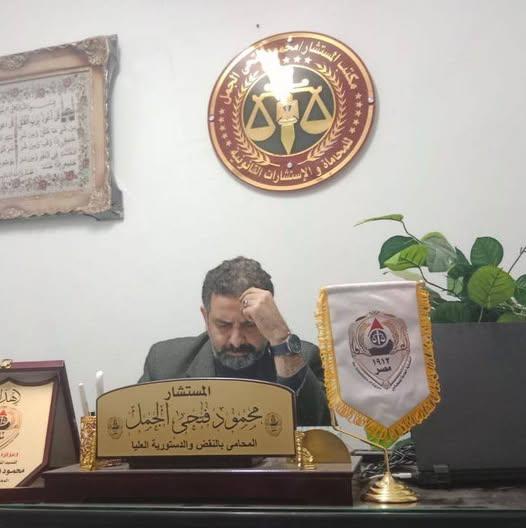
This is why many litigants rely on specialized cassation lawyers such as Mahmoud Fathy El Gamal, who focus on higher-court litigation and complex legal analysis.
The Importance of Pre-Appeal Legal Consultation
Before filing any cassation or administrative appeal, a legal consultation can:
-
Clarify the real chances of success
-
Prevent filing an inadmissible appeal
-
Save time, cost, and procedural mistakes
In many cases, an honest legal opinion is more valuable than proceeding with an appeal that has no legal foundation.
Final Thoughts
Cassation and Supreme Administrative Court litigation is not about reopening a case — it is about correcting legal injustice through precision and expertise.
If your case involves a final judgment and you believe that a legal error affected the outcome, consulting a specialized cassation lawyer may be your last and most important legal step.