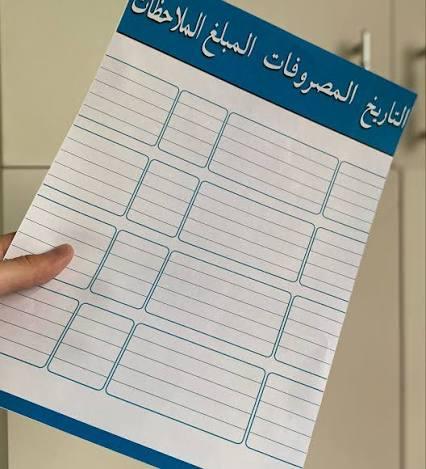

Organized Daily Expense Tracking | BNB Dafatery
Organized daily expense tracking helps you understand where your money goes instead of relying on estimates or memory. With repeated small expenses throughout the day, it can be difficult to recognize the actual level of spending by the end of the week or month, especially when different expenses are not recorded consistently.
By recording expenses regularly and organizing them into clear categories, it becomes easier to identify the areas that take up the largest share of spending, compare expenses with income, and create a more realistic budget.
What Does Daily Expense Tracking Mean?
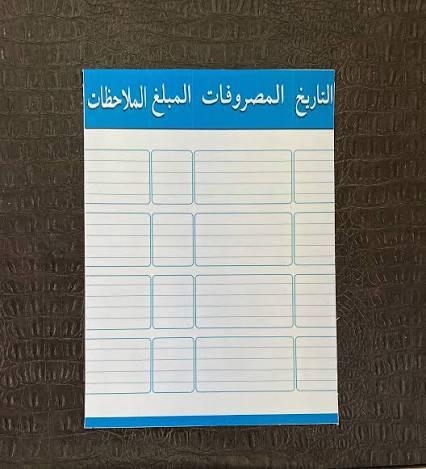
Daily expense tracking means recording the money spent during the day while identifying the amount and purpose or category of each expense.
This may include expenses such as food, transportation, shopping, bills, monthly obligations, entertainment, and other expenses that vary from one person to another.
The main idea is not simply to record numbers, but to create a clear picture of spending patterns over time.
Why Is Daily Expense Tracking Important?
Some daily expenses may seem small when considered individually, but repeated spending can have a greater impact on the budget than expected.
Organized daily expense tracking can help you:
- Know your total spending during the day, week, or month.
- Identify categories that consume a large part of your budget.
- Notice recurring expenses that may otherwise be overlooked.
- Reduce unplanned spending.
- Improve your ability to create a realistic budget.
- Monitor whether you are staying within the limits set for each category.
- Make financial decisions based on clear numbers rather than estimates.
How Can You Start Tracking Your Daily Expenses?
You do not need a complicated system to get started. The most important thing is to choose a clear method and use it consistently.
1. Record Expenses When They Happen
Delaying expense tracking until the end of the day may cause you to forget some expenses, especially small ones. It is therefore better to record each expense when it occurs or as soon as possible afterward.
2. Categorize Your Expenses
Dividing expenses into categories makes the numbers easier to understand. For example, food expenses can be separated from transportation, bills, shopping, and entertainment.
Categorization helps you identify the areas that need review instead of treating total spending as one single number.
3. Choose the Period You Want to Track
Expenses can be tracked daily and then reviewed weekly or monthly. Regular reviews help identify changes in spending patterns instead of waiting until the end of the month.
4. Compare Spending With Your Budget
After recording expenses, compare what you actually spent with what you planned to spend. If one category repeatedly exceeds the expected limit, it may be useful to reconsider how the budget is distributed.
What Is the Difference Between Fixed and Variable Expenses?
When tracking daily expenses, it is useful to distinguish between expenses that are relatively stable and those that change from one day to another.
Fixed expenses include obligations whose amounts are known or relatively stable, while variable expenses may change depending on daily needs and usage.
This distinction helps identify which part of the budget is more difficult to change and which part can be controlled more easily.
How Can You Identify Unnecessary Expenses?
Expense tracking does not mean eliminating all spending. Instead, it helps you understand your priorities more clearly.
When reviewing your expense records, ask yourself about recurring expenses:
- Was the expense necessary?
- Was it planned?
- Does it happen more often than expected?
- Can its amount or frequency be reduced?
- Does it affect your ability to cover essential needs or other obligations?
This simple review can help identify spending habits that may not be obvious when each expense is considered separately.
Common Mistakes When Tracking Expenses
A person may start tracking expenses and then stop after a short period. Some common reasons include:
- Not recording small expenses.
- Delaying expense recording for too long.
- Failing to categorize expenses.
- Recording some expenses while leaving out others.
- Not reviewing the information after recording it.
- Creating an unrealistic budget compared with income and obligations.
For this reason, the tracking system should be simple and easy to use so that it can be maintained over the long term.
Does Daily Expense Tracking Help You Save Money?
Tracking expenses does not directly save money, but it makes your spending habits clearer. When you know where your money is going, it becomes easier to identify categories that can be reduced and establish clear spending priorities.
Regular expense reviews also help you move from simply knowing how much you spend to understanding your spending patterns.
The Importance of Consistency in Expense Tracking
Consistency is more important than tracking expenses for a short period and then stopping. The more consistently expenses are recorded, the clearer the overall picture of your spending becomes.
It is useful to set aside a short amount of time for daily review, along with a broader review at the end of each week or month, depending on your needs and spending habits.
BNB Dafatery and Organized Daily Expense Tracking
If you are looking for a more organized way to deal with daily expenses, BNB Dafatery is associated with this topic, and you can contact them to inquire about the available information.
📞 Phone: 01000072951
⏰ Working hours: From 12:00 to 12:00.
📅 Working days: Sunday, Monday, Tuesday, Wednesday, Thursday, Friday, and Saturday.
Frequently Asked Questions About Daily Expense Tracking
Should I record every expense, even if it is small?
Yes. Small recurring expenses can represent a noticeable portion of total spending when accumulated over a longer period.
Is it better to track expenses daily or monthly?
Daily tracking is more accurate because it reduces the chance of forgetting expenses, while weekly or monthly reviews help you understand the bigger picture.
How can I benefit from an expense record?
You can use it to identify major spending categories, discover recurring expenses, compare spending with your budget, and identify areas that may need to be reorganized.
Is expense tracking only suitable for personal expenses?
No. The concept of expense tracking can be applied to any type of spending that requires organization and review, with categories and tracking methods adjusted according to individual needs.
Conclusion
Organized daily expense tracking is a simple step that can help you understand your financial situation more clearly. Instead of relying on memory or estimates, recording expenses provides information that can be reviewed and analyzed, helping identify spending habits and create a more realistic budget.
The most important thing is to choose an easy tracking method and continue recording and reviewing expenses consistently.