Response 1 The Ministry of Education reveals the timing of the General Secondary (Thanaweya Amma) exam grievances… and the regulations will be announced in the coming days.
High school exam appeals will begin two weeks after the results are announced… full details to follow after exams conclude.
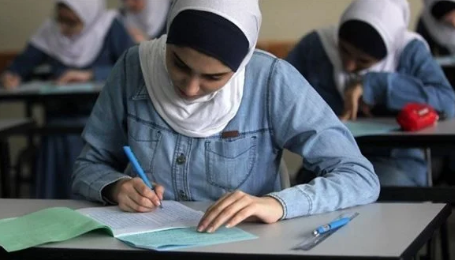
Khaled Abdel Hakam, Head of the Central Administration for Exams at the Ministry of Education and Head of the General Secondary Education Examinations for the 2024–2025 academic year, revealed that the ministry has set the start of the appeal period for Thanaweya Amma (high school) results to begin two weeks after the official announcement of the results. This decision aims to give students and parents enough time to review the results and compare them with their expectations before submitting appeal requests.
Abdel Hakam confirmed that all details related to the procedures and mechanisms of the appeal process will be announced immediately after the end of the Thanaweya Amma exam period. He noted that the appeal regulations will be carefully organized to ensure transparency and fairness in reviewing answer sheets and reassessing scores, to guarantee full justice for students and return any deserved marks without delay or complications. He further explained that the ministry is currently working on preparing the organizational framework necessary to manage the appeals, alongside overseeing the examination process itself. He emphasized that these preparations aim to accelerate the handling of appeal requests once results are released, ensuring that every student receives their full rights according to the official procedures.
Meanwhile, Dr. Mohamed Abdel Latif, Minister of Education and Technical Education, today monitored the progress of the first-term exams for technical diploma students for the 2024/2025 academic year from the Central Operations Room at the ministry’s headquarters in the New Administrative Capital. He ensured that exam sessions were proceeding normally across various governorates.
Students of technical diplomas are currently sitting written exams in several specializations, including industrial, agricultural, commercial, and hospitality, with a total of approximately 780,000 students distributed across 2,647 examination committees nationwide, covering 106 subjects conducted in two daily sessions.
The Minister emphasized the importance of constant communication with local operations rooms in the educational directorates, stressing the need for immediate intervention to resolve any issues that may arise during the exams. This is to ensure orderly conduct of the exams and the provision of a suitable environment for students, reflecting the ministry's commitment to applying the highest standards of quality and discipline in the examination process.

In light of the rapid developments in daily life and the increasing complexity of legal transactions for both individuals and companies, the need for professional legal services has become essential and indispensable. Law is no longer just rigid texts; it has become an integrated system aimed at protecting rights, regulating relationships between individuals and institutions, and ensuring that business operations run in a legal and secure manner.

In the world of law, it is not enough to simply be a lawyer; one must possess the ability to analyze cases in depth, build effective legal strategies, and defend clients' rights with professionalism. Here, the name Counselor George Sobhi Shafik stands out as one of the distinguished legal professionals who has proven strong presence across multiple fields.

In practical reality, legal disputes do not arise out of nowhere. In most cases, they result from flaws in contract drafting, misunderstandings of mutual obligations, or a party’s failure to fulfill agreed terms. This is where the importance of proper legal dispute management begins—before the matter escalates into complex litigation.

In practice within criminal courtrooms, felony cases are among the most serious matters any defendant may face—not only due to the gravity of the charges, but also because of the legal and human consequences that may extend for many years.
