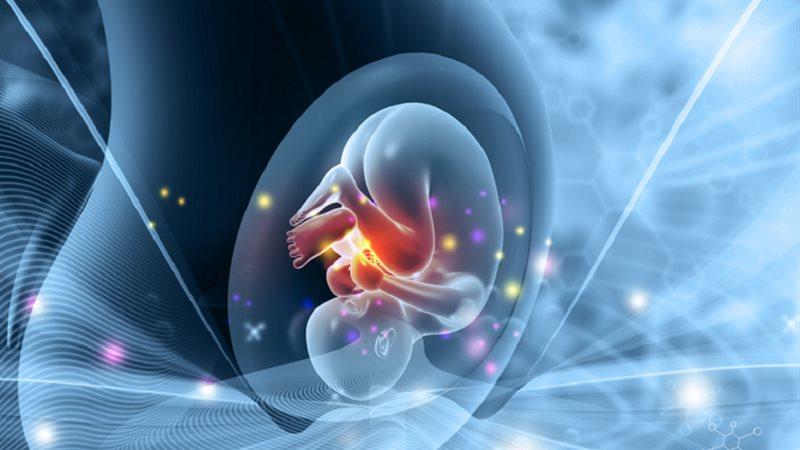

Discussions surrounding the creation of a "robotic mother" capable of carrying and delivering babies have caused a storm across Chinese social media. While some hailed it as an innovative leap in science, others condemned it as an unethical and unnatural step that could disrupt family and social values.
Supporters argue that the innovation could relieve women from the physical burden of pregnancy, while critics warn that depriving a fetus of maternal connection is emotionally harmful. Many also raised questions about the source of the eggs used in such procedures.
One user wrote: “Many families spend huge amounts on IVF treatments that fail. A pregnancy robot could help society by providing an alternative.” In previous experiments, scientists successfully kept premature lambs alive using an artificial womb that mimicked the human environment.
The debate is not new. Since the 1970s, feminist activists such as Andrea Dworkin have opposed the use of artificial wombs, warning that they could diminish women’s social roles.
In 2022, researchers from the Children’s Hospital of Philadelphia published a study on the ethical implications of artificial wombs, expressing concern that such technology might devalue natural pregnancy and women’s empowerment.
A recent survey showed that 42% of young adults aged 18 to 24 support the idea of “growing a fetus entirely outside the human body,” highlighting shifting attitudes among younger generations toward motherhood and artificial intelligence.