Strong Voter Comeback in Imbaba After Midday Break
Turnout in Imbaba for 2025 Senate elections.
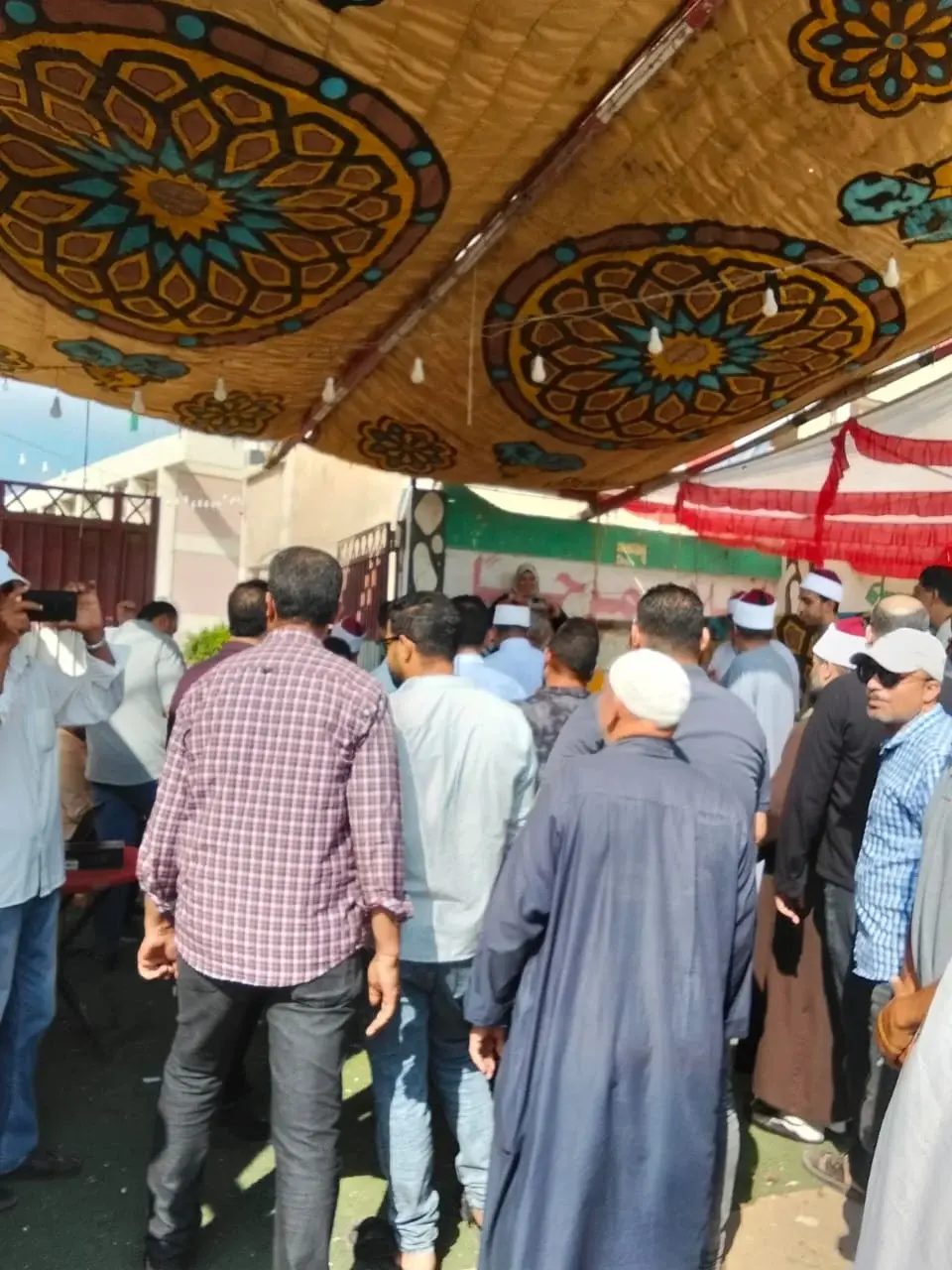

High Voter Turnout in Imbaba Following Midday Break
Polling stations in the Imbaba district of Giza witnessed a significant influx of voters—both men and women—following the scheduled midday break. Citizens were keen to exercise their constitutional right to political participation by casting their votes in the 2025 Senate elections. The atmosphere inside the polling stations was marked by strong organization and security, with the presence of staff and volunteers assisting voters, especially the elderly and persons with disabilities.
Second and Final Day of Voting Underway
The second and final day of voting is underway today, Tuesday, with polls open from 9:00 AM to 9:00 PM, as per the schedule announced by the National Election Authority. Voting inside Egypt is being held over two days, Monday and Tuesday, August 4th and 5th, as part of the final phase in selecting the new members of the Senate.
Candidates Compete in Individual and List-Based Systems
The electoral race features two systems: the individual candidacy system and the closed-list system. A total of 428 candidates are competing for 100 seats in the individual race across various constituencies. Meanwhile, the list-based system includes 100 seats distributed across four main electoral districts, with only one list running unopposed—“The National List for Egypt”—which comprises candidates from a variety of political and partisan backgrounds.
Over 63 Million Eligible Voters, Says Election Authority
According to the National Election Authority, approximately 63 million Egyptian citizens are registered and eligible to vote in the 2025 Senate elections. These voters have been distributed across 8,286 polling centers nationwide, including schools, youth centers, and health units, in order to make the voting process more accessible and convenient for all citizens.
Full Judicial Oversight to Ensure Integrity
The elections are being conducted under full judicial supervision. Around 9,500 judges from the Administrative Prosecution Authority and the State Lawsuits Authority are overseeing the process, with most of them assigned to polling stations close to their residences. Additionally, 2,500 female judges are participating, many of whom have been assigned to supervise stations outside their home areas to ensure full geographic coverage.
Local and International Monitoring and Media Presence
To reinforce transparency and accountability, the National Election Authority has approved monitoring requests from 18 accredited foreign embassies in Egypt, 9 international organizations, and 58 local NGOs. Furthermore, media coverage has been authorized for 168 international media outlets and 62 domestic outlets, highlighting significant local and global interest in the electoral process and ensuring continuous coverage of all developments.

If you are looking for a specialized compensation lawyer in Giza, Counselor Ahmed Ibrahim provides comprehensive legal services in all types of compensation claims, including traffic accidents, workplace injuries, medical malpractice, contractual disputes, and civil compensation cases, while protecting clients' rights under Egyptian law.

Looking for a lawyer specialized in company formation in Mohandessin? Ahmed Mohamed Ibrahim Law Firm provides comprehensive legal services for establishing all types of companies, including legal consultations, drafting incorporation documents, obtaining commercial registration, tax cards, and completing all legal procedures efficiently and professionally.
Discover Counselor Imam Omar Abdel Moneim’s legal services in criminal law, providing specialized legal consultations and professional defense before courts and competent authorities, with experience in criminal case analysis and protecting clients’ rights according to Egyptian law.

Discover the latest 2026 men's casual wear collections from Al Jeans Al Souri Factory in Nasr City, specialized in manufacturing men's jeans, casual clothing, and gabardine products with high quality and factory prices. The factory provides complete solutions for wholesalers, retailers, and private brands with custom manufacturing services.
