
The Most Common Methods of Real Estate Fraud and How to Confront Them Legally
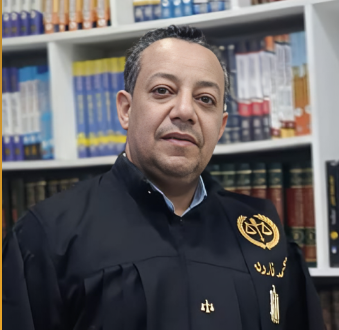
By Counselor Mohamed Farouk Mahmoud El-Khatib
Attorney at the Court of Cassation and the Supreme Constitutional Court – Member of the Egyptian Bar Association
📍 Giza – Al-Haram
📞 01113054308
📧 [email protected]
Introduction
Real estate fraud cases have become one of the most serious problems facing citizens, especially with the increasing demand for purchasing apartments and land without thorough legal verification of documents.
Counselor Mohamed Farouk Mahmoud El-Khatib confirms that most victims of fraudulent real estate transactions believed they had completed a safe deal, only to later discover serious legal issues that may result in the total loss of the property’s value.
In this article, we highlight the most common methods of fraud in real estate sales and explain how to confront them legally and protect your rights before it is too late.
First: Selling with Unregistered Customary Contracts
One of the most common fraud methods includes:
Selling an apartment or land using only a customary (unregistered) contract
Misleading the buyer that registration will take place later
⚠️ The Risk:
A customary contract does not transfer ownership, and the seller may sell the same property to more than one person.
⚖️ Legal Solution:
Review the contract with a specialized lawyer
Ensure the property can be registered with the Real Estate Registry
Initiate a “Validity and Enforceability” lawsuit if possible
Second: Selling Property Not Owned by the Seller
This often occurs when:
The seller is merely a possessor without ownership
The seller is an unauthorized broker
The seller is an heir without completed inheritance procedures
⚠️ The Risk:
The sale may be completely void, resulting in loss of money.
⚖️ The Solution:
Counselor Mohamed Farouk Mahmoud El-Khatib emphasizes the importance of:
Examining the original ownership deed
Reviewing the chain of ownership
Verifying the legal identity and capacity of the seller
Third: Fraudulent Subdivision and Fake Development Projects
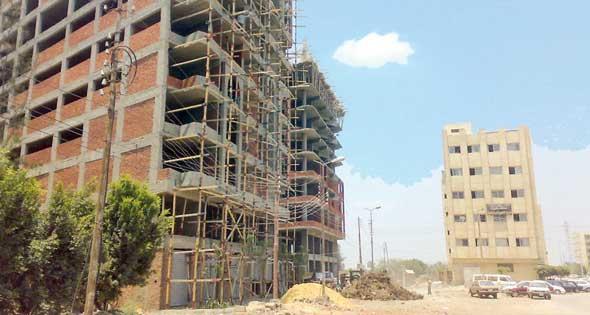
This includes marketing:
Unregularized lands
Unlicensed subdivisions
Projects that do not actually exist
⚠️ The Risk:
Demolition of buildings or refusal to connect utilities.
⚖️ Legal Confrontation:
Review subdivision approvals
Verify the legal status of the land with authorities
Do not make any payment before official document verification
Fourth: Manipulation of Area or Location
Forms of fraud include:
A discrepancy between the actual area and what is stated in the contract
Selling a property in a location different from what was advertised
⚖️ The Solution:
Conduct an on-site inspection
Consult a lawyer to review descriptive clauses
Retain all advertisements and correspondence as evidence
Fifth: Multiple Sales of the Same Property
Some fraudsters:
Sell the same apartment to more than one buyer
Exploit delays in property registration
⚖️ Legal Solution:
Act quickly to establish possession
File civil and criminal lawsuits
Submit a fraud complaint when criminal intent is established
How Does the Law Protect You from Real Estate Fraud?
Counselor Mohamed Farouk Mahmoud El-Khatib explains that Egyptian law provides strong protection through:
Lawsuits for contract nullification
Validity and enforceability lawsuits
Compensation claims
Criminal complaints in cases of fraud and forgery
Important Legal Advice Before Purchasing Any Property
🔴 Do not pay any deposit
🔴 Do not sign any contract
🔴 Do not rely on verbal promises
Except after:
✅ Examining ownership documents
✅ Reviewing the legal status of the property
✅ Consulting a lawyer specialized in real estate disputes
Why Choose Counselor Mohamed Farouk Mahmoud El-Khatib?
Over 20 years of legal experience
Specialized in real estate disputes and possession cases
Attorney at the Court of Cassation and the Supreme Constitutional Court
Legal advisor to several major real estate companies
Thorough examination of ownership documents before purchase
📍 Office Address – Giza
Al-Haram Main Street – Next to Cairo Mall
📞 01113054308
📧 [email protected]
🧠 Our Motto:
“The right step at the right time makes all the difference!”