4 Hidden Signs of Diabetes That May Worsen in Winter… Pay Attention Before It’s Too Late
Doctors caution that several subtle and uncommon signs may indicate rising blood sugar levels during winter, when reduced activity and increased food intake make early detection more difficult.
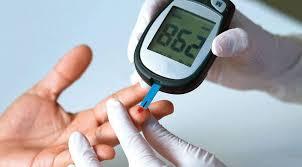
As temperatures drop during winter, appetite typically increases while physical activity declines—conditions that may cause many people to overlook early health changes linked to elevated blood sugar. Medical experts warn of several uncommon symptoms associated with type 2 diabetes that tend to appear or worsen during the colder months.
1. Recurrent Skin and Yeast Infections
The skin is often the first organ to show signs of high blood sugar. Elevated glucose weakens immunity and increases the likelihood of fungal infections, especially in skin folds such as the underarms and groin. Frequent infections can be an early indicator of glucose imbalance.
2. Dark Patches on the Neck or Underarms (Acanthosis Nigricans)
The appearance of thick, darkened patches on the neck, underarms, or inner thighs may signal insulin resistance, an early warning sign of potential diabetes despite its seemingly harmless appearance.
3. Slow Healing of Wounds
Delayed wound healing is a clear sign of impaired blood flow due to high blood sugar, preventing adequate circulation to affected areas and increasing the risk of repeated infections.
4. Extreme Fatigue and Persistent Tiredness
When the body fails to transport glucose into cells, sugar levels remain elevated in the bloodstream, leading to constant fatigue, increased thirst, frequent urination, and blurred vision.
Why symptoms worsen in winter
Doctors explain that reduced physical activity, higher food consumption, and less attention to subtle health changes make winter a challenging season for detecting early signs of diabetes.
Experts emphasize the importance of early checkups and monitoring changes in the skin and energy levels to prevent long-term complications such as nerve damage, kidney issues, and heart disease.

Regular health screening is one of the most important steps to maintain good health and detect diseases early. The essential medical checkups for every age help in preventing complications and ensuring a healthier life.
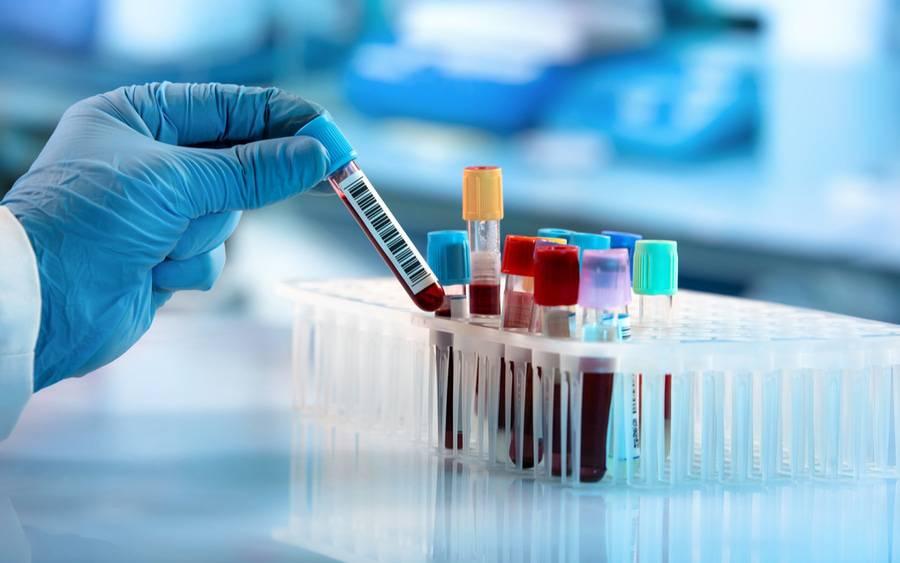
Many people, after doing medical tests, receive their results and immediately start looking at numbers and unfamiliar terms like (High – Low – Normal) without fully understanding what they actually mean.

When dealing with medical services, many people come across different titles for doctors such as “Specialist” and “Consultant”, which can sometimes create confusion about what each title actually means and how they differ from each other.

Choosing the right time to visit a doctor is not a random decision. It can directly affect how quickly a condition is diagnosed and how effective the treatment will be. Many people delay visiting a doctor or go at the wrong time, which may lead to worsening symptoms or delayed care.
