4 Essential Tests for Early Cancer Detection and Better Survival
Early cancer detection significantly improves treatment outcomes. Experts recommend four main tests for adults and high-risk individuals.
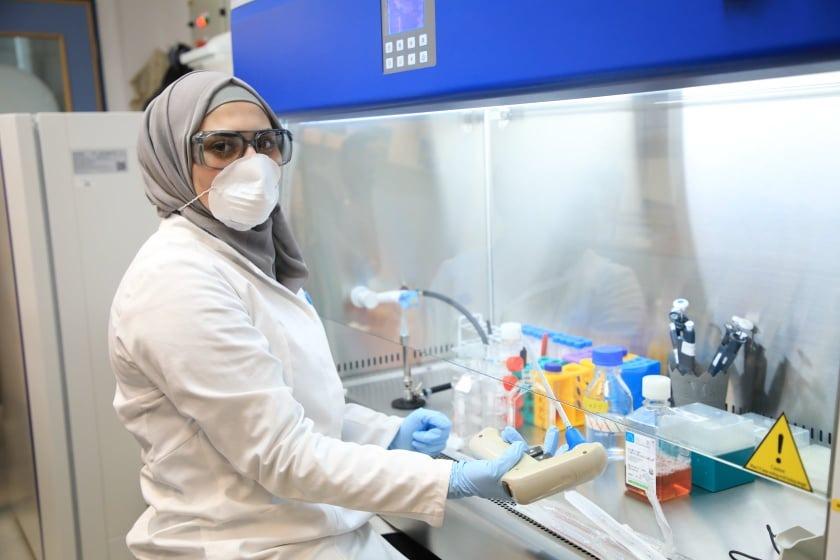
Cancer often develops silently, without clear early symptoms. Early detection is crucial for increasing survival rates and reducing the need for intensive treatment.
1. Standard Screening Tests
Routine tests include:
-
Mammograms for early breast cancer detection
-
Pap test and HPV screening for cervical cancer
-
Colonoscopy or stool tests for colorectal cancer
-
Low-dose CT scans for smokers’ lungs
-
PSA blood test for men
These screenings help detect cancer at early stages or identify pre-cancerous changes.
2. Galleri Blood Test: A Medical Breakthrough
Galleri analyzes circulating cell-free DNA in the blood to detect over 50 cancer types using AI.
-
Greatly increases early detection
-
Identifies cancers without routine screening programs
-
Highly accurate with minimal false positives
3. Genetic Testing: Identifying Mutations Before Disease
Genetic testing detects hereditary mutations linked to breast, ovarian, colorectal, and pancreatic cancers.
-
Indicates elevated risk, not definitive diagnosis
-
Allows preventive plans with earlier tests and lifestyle adjustments
4. Whole-Body MRI (WB-MRI)
-
Radiation-free
-
Detects tumors at very early stages
-
Provides detailed soft tissue imaging
-
Suitable for annual screening of high-risk groups

Regular health screening is one of the most important steps to maintain good health and detect diseases early. The essential medical checkups for every age help in preventing complications and ensuring a healthier life.
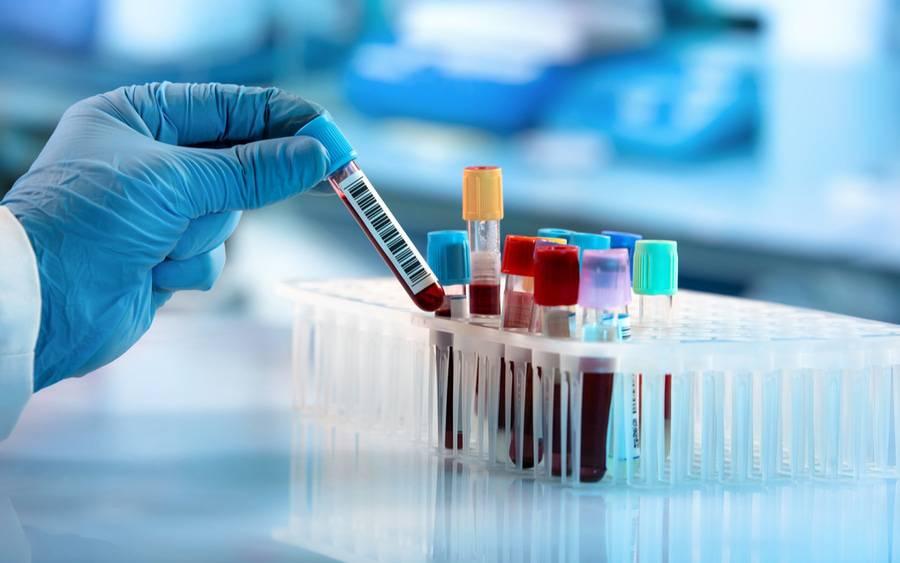
Many people, after doing medical tests, receive their results and immediately start looking at numbers and unfamiliar terms like (High – Low – Normal) without fully understanding what they actually mean.

When dealing with medical services, many people come across different titles for doctors such as “Specialist” and “Consultant”, which can sometimes create confusion about what each title actually means and how they differ from each other.

Choosing the right time to visit a doctor is not a random decision. It can directly affect how quickly a condition is diagnosed and how effective the treatment will be. Many people delay visiting a doctor or go at the wrong time, which may lead to worsening symptoms or delayed care.
