4 Simple Tests That Can Detect Kidney Disease Early
Kidney disease often develops silently, but a few simple tests can reveal early damage and help prevent chronic kidney failure before it’s too late.

Kidney diseases are among the most widespread health conditions globally, often progressing without noticeable symptoms until reaching advanced stages. Medical data shows that hundreds of millions suffer from some form of kidney disease, making early detection essential.
Health experts emphasize that people with diabetes, high blood pressure, obesity, and older adults face higher risks due to the strain these conditions place on kidney function.
Specialists warn that the absence of symptoms does not guarantee healthy kidneys. Simple medical tests can detect early dysfunction and allow timely treatment, preventing long-term complications.
Top 4 Tests for Early Kidney Disease Detection
1️⃣ Blood Creatinine and Estimated Glomerular Filtration Rate (eGFR)
This test evaluates how efficiently the kidneys filter waste from the blood. An eGFR of 90 or above is considered normal, while lower values indicate impaired kidney function.
2️⃣ Urine Albumin-to-Creatinine Ratio (Microalbumin Test)
This test detects small amounts of protein leakage in urine—an early warning sign of kidney damage, especially in diabetic and hypertensive patients. Levels above 30 mg/g suggest early kidney disease.
3️⃣ Complete Urinalysis
A comprehensive urine test helps identify protein, blood, bacteria, or abnormal cells, aiding in the diagnosis of infections, kidney stones, or filtration issues.
4️⃣ Kidney Ultrasound
A safe and non-invasive imaging test that provides detailed insight into kidney size, structure, blockages, or inflammation, supporting accurate diagnosis.
Doctors stress that these tests are quick, painless, and widely available, yet they play a crucial role in preventing kidney disease from progressing to chronic or irreversible stages.

Regular health screening is one of the most important steps to maintain good health and detect diseases early. The essential medical checkups for every age help in preventing complications and ensuring a healthier life.
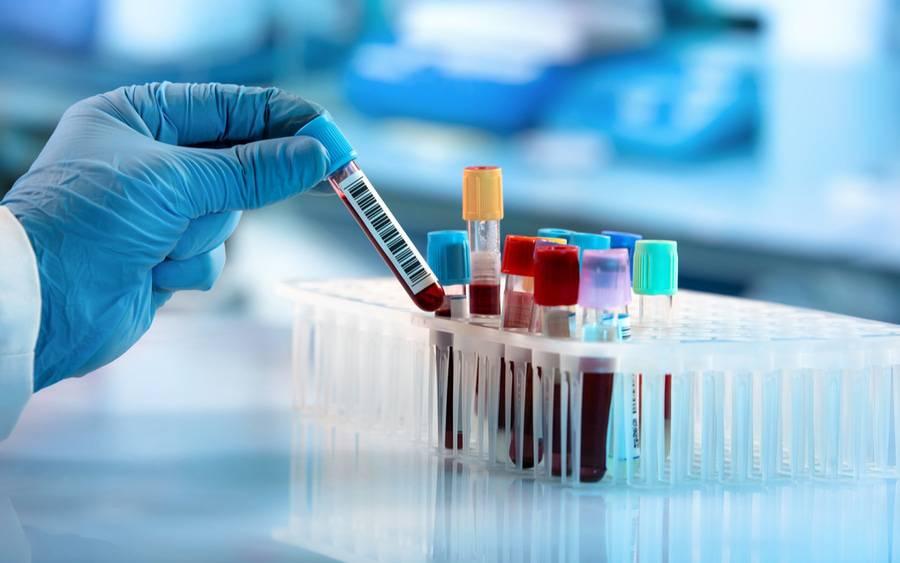
Many people, after doing medical tests, receive their results and immediately start looking at numbers and unfamiliar terms like (High – Low – Normal) without fully understanding what they actually mean.

When dealing with medical services, many people come across different titles for doctors such as “Specialist” and “Consultant”, which can sometimes create confusion about what each title actually means and how they differ from each other.

Choosing the right time to visit a doctor is not a random decision. It can directly affect how quickly a condition is diagnosed and how effective the treatment will be. Many people delay visiting a doctor or go at the wrong time, which may lead to worsening symptoms or delayed care.
