6 Facial Signs That Could Reveal Early Fatty Liver Disease
Subtle changes in the face can act as early warnings for fatty liver disease.. Here are the key symptoms that shouldn’t be overlooked.
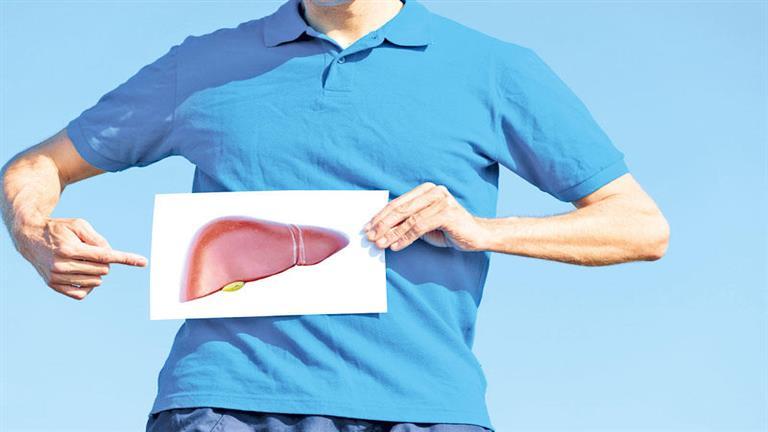
Fatty liver disease is often described as a silent condition that progresses without clear symptoms, yet the face may reveal early indicators of trouble long before advanced complications appear. Medical experts note that changes in skin tone, swelling, and irritation can be linked to impaired liver function caused by fat accumulation in liver cells.
Whether triggered by unhealthy eating habits, insulin resistance, or metabolic imbalance, fatty liver disease may manifest externally through noticeable facial changes.
The most common facial signs include:
-
Facial puffiness and swelling due to fluid retention and reduced protein production.
-
Darkened skin on the neck folds, a condition tied to insulin resistance.
-
Rosacea and persistent redness linked to inflammation and liver dysfunction.
-
Perioral rash caused by nutrient deficiencies, particularly zinc.
-
Facial itching, a result of bile acid buildup in the bloodstream.
-
Jaundice, marked by yellowing of the skin and eyes in advanced stages.
Addressing these signs requires treating the underlying liver condition. Weight management, balanced nutrition, and consistent physical activity remain the most effective strategies for slowing disease progression. Emerging therapies—such as GLP-1 receptor agonists—also show promise in improving liver metabolism.
Preventive measures remain crucial, including choosing healthy fats, increasing whole-food intake, reducing processed foods, and maintaining balanced blood sugar levels. Supporting liver health early can protect against severe long-term complications.

Regular health screening is one of the most important steps to maintain good health and detect diseases early. The essential medical checkups for every age help in preventing complications and ensuring a healthier life.

Many people, after doing medical tests, receive their results and immediately start looking at numbers and unfamiliar terms like (High – Low – Normal) without fully understanding what they actually mean.

When dealing with medical services, many people come across different titles for doctors such as “Specialist” and “Consultant”, which can sometimes create confusion about what each title actually means and how they differ from each other.

Choosing the right time to visit a doctor is not a random decision. It can directly affect how quickly a condition is diagnosed and how effective the treatment will be. Many people delay visiting a doctor or go at the wrong time, which may lead to worsening symptoms or delayed care.
