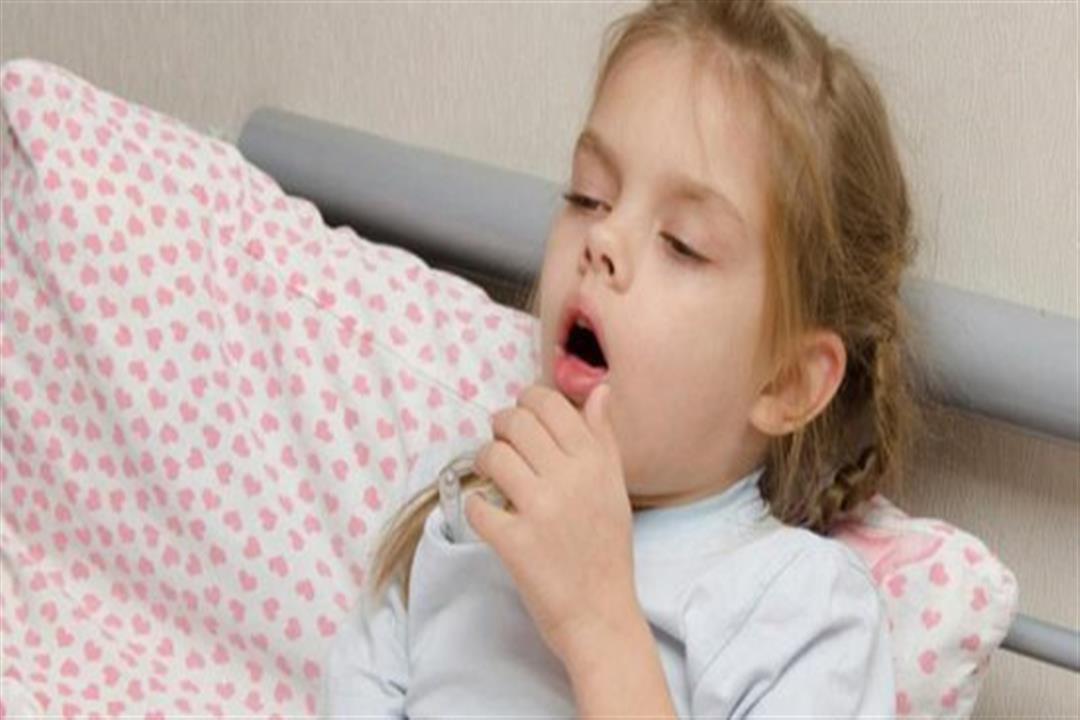
Pneumonia remains a major health concern for children, especially under five years old. Early awareness of symptoms and preventive measures is crucial to avoid severe complications.
Key Facts About Pneumonia in Children:
-
More common than you think:
Affects children of all ages, especially infants and under-fives due to weaker immunity and seasonal virus exposure. -
Varied causes:
Can be viral, bacterial, or fungal. Colds and flu commonly cause viral pneumonia, while bacterial cases may require hospitalization. -
Symptoms may start mild:
Include difficulty breathing, rapid breathing, chest retractions, wheezing, difficulty feeding, excessive sleepiness, or bluish lips/fingers. -
Early diagnosis prevents complications:
Seeing a doctor within 24–48 hours of persistent symptoms allows effective treatment and prevents severe outcomes. -
Vaccination as a shield:
Vaccines against pneumococcus, Haemophilus influenzae type B, measles, and flu help prevent severe pneumonia attacks. -
Antibiotics not always necessary:
Used only for bacterial infections. Viral pneumonia resolves with rest, fluids, and monitoring, avoiding drug resistance. -
Recovery requires patience and care:
Cough and weakness may persist for weeks. Proper nutrition, hydration, and medical follow-up are essential. Children should avoid early return to school. -
Awareness and monitoring:
Continuous symptom monitoring, preventive actions, and vaccinations protect children from pneumonia complications.